If you hit your head, don't just stand there!

If you hit your head, don't just stand there!

"Doctor, I fell off my bike two days ago and hit my head. I also vomited once after the impact. But since there was no major injury, I just kept going. But for the past two days, my head has been hurting badly and I feel a little dizzy." 19-year-old Kavindu came to our medical clinic to tell us about an accident that happened a few days ago.

Kavindu has made a very dangerous mistake that many people make when they hit their head. Even if there is no visible bleeding or injury, vomiting after a head injury is a major warning sign that the body is giving about bleeding or increased pressure inside the brain.

Let's simply understand the medical background of what happens in the body after a head injury and the serious symptoms that require immediate hospitalization.

How our brains and heads work

The brain inside our skull is a very delicate and sensitive organ. It is protected by a strong skull called the skull. The skull contains the brain, blood vessels (blood vessels), and cerebrospinal fluid (CSF). The space inside the skull is limited. There is absolutely no extra space.

What happens inside when you hit your head? (Internal Bleeding)

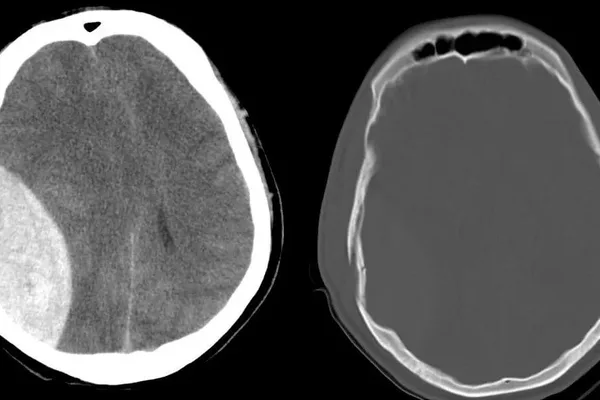
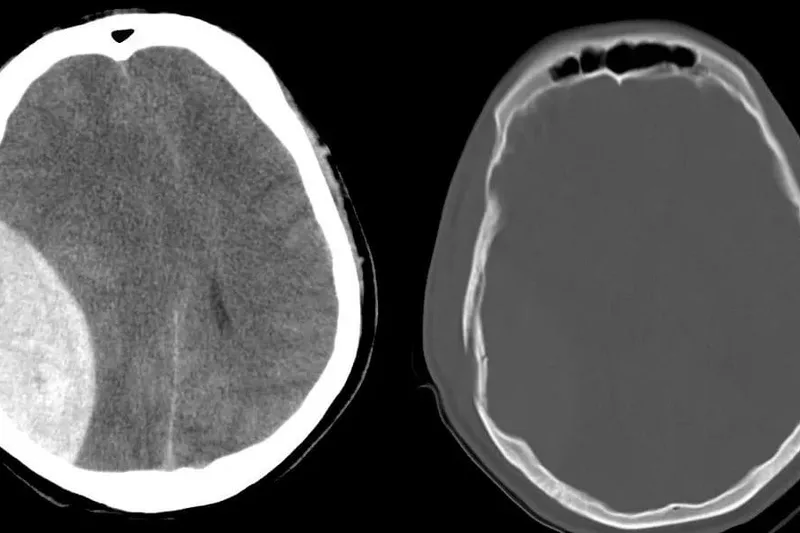
When the head is hit hard, sometimes a small blood vessel inside the skull bursts and blood begins to leak into the brain (internal bleeding). Because there is no extra space inside the skull, as this blood accumulates, the pressure inside the brain (intracranial pressure) increases rapidly. This pressure causes the soft tissues of the brain to compress and become trapped. This can cause brain cells to die and be life-threatening.

🚨 Serious symptoms that require immediate hospitalization (Red Flags)

If the following symptoms appear within a few hours or days after a head injury, you should immediately go to a hospital emergency room without delay:

  • Persistent vomiting: Repeated vomiting after an accident.
  • Severe headache: A severe headache that gradually increases over time.
  • Altered consciousness or deep sleep: Difficulty waking the patient, excessive sleepiness, drowsiness, or confusion.
  • Speech and vision problems: slurring of words while speaking, blurred vision, or double vision.
  • Loss of balance: Stumbling while walking, dizziness, and inability to maintain body balance.
  • Numbness: Numbness in the arms or legs or weakness on one side.
  • Ear or nose discharge: Leakage of blood or blood-tinged fluid (CSF) from the ear or nose.

🛠️ Action Steps to follow in the event of a head injury

  • First step:If a person suffers a head injury and loses consciousness for a short time, vomits, or has a severe headache, do not stay at home and immediately take the patient to the nearest major hospital.
  • Step 2: Closely observe the patient's level of consciousness, eye function, and symptoms for the first 24 hours after the accident.
  • Step Three: If the doctor recommends it, get a CT scan immediately to check for intracranial bleeding or a skull fracture.
  • Step Four: Do not give painkillers such as aspirin or ibuprofen to a person with a head injury without medical advice (these can increase internal bleeding. Only use paracetamol on medical advice).
  • Step Five: Always wear a helmet and fasten the strap properly when riding a motorcycle.

📊 Comparison of increased pressure in the kidneys or brain (Concussion vs Internal Bleeding)

Feature Concussion Internal Bleeding
The process that takes place Temporary trauma to brain tissue from outside. A blood vessel bursts inside the brain, causing blood to collect and pulsate.
Time of onset of symptoms Symptoms appear immediately after the accident and gradually subside. It gradually worsens over the course of a few hours or days after the accident.
CT scan result Usually, the CT scan does not show any changes. It clearly shows how blood has accumulated inside the brain.
Treatment method Proper rest and symptom control are sufficient. Immediate hospitalization and medication or surgery to remove the blood.

Some other questions you may have (FAQ)

Is vomiting immediately after hitting your head a dangerous sign?

Yes. Vomiting after a head injury is a sign of increased intracranial pressure. This is a serious sign that requires immediate medical attention.

Why is the patient monitored for 24 hours after a head injury?

Some brain bleeds occur very slowly (especially subdural hematomas). Symptoms may not appear immediately after the accident, but may appear several hours later as the blood accumulates and compresses the brain, so close monitoring over 24 hours is essential.

Why is it bad to take Aspirin or Ibuprofen for a headache without medical advice?

These drugs slow the blood clotting process. If there is bleeding inside the brain, these drugs can cause the bleeding to accelerate and make the condition more serious.

What is a concussion?

A concussion is a temporary paralysis caused by the brain being rapidly shaken inside the skull due to a blow to the head. It does not bleed and heals with rest.

📖 Sources and Scientific References

⚠️ Important: The medical articles and information on Nirogi Lanka are for general awareness only, and are by no means a substitute for professional medical advice, diagnosis, or treatment. For any medical problem you have, consult a qualified physician immediately.

💬 Comments (0)

No comments have been posted yet. Add your comment here for the first time.

Add your comment

Please calculate: 3 + 4 =
If you hit your head, don't just stand there!
First AidMarch 29, 2025

If you hit your head, don't just stand there!

"Doctor, I fell off my bike two days ago and hit my head. I also vomited once after the impact. But since there was no major injury, I just kept going. But for the past two days, my head has been hurting badly and I feel a little dizzy." 19-year-old Kavindu came to our medical clinic to tell us about an accident that happened a few days ago.

Kavindu has made a very dangerous mistake that many people make when they hit their head. Even if there is no visible bleeding or injury, vomiting after a head injury is a major warning sign that the body is giving about bleeding or increased pressure inside the brain.

Let's simply understand the medical background of what happens in the body after a head injury and the serious symptoms that require immediate hospitalization.

How our brains and heads work

The brain inside our skull is a very delicate and sensitive organ. It is protected by a strong skull called the skull. The skull contains the brain, blood vessels (blood vessels), and cerebrospinal fluid (CSF). The space inside the skull is limited. There is absolutely no extra space.

What happens inside when you hit your head? (Internal Bleeding)

When the head is hit hard, sometimes a small blood vessel inside the skull bursts and blood begins to leak into the brain (internal bleeding). Because there is no extra space inside the skull, as this blood accumulates, the pressure inside the brain (intracranial pressure) increases rapidly. This pressure causes the soft tissues of the brain to compress and become trapped. This can cause brain cells to die and be life-threatening.

🚨 Serious symptoms that require immediate hospitalization (Red Flags)

If the following symptoms appear within a few hours or days after a head injury, you should immediately go to a hospital emergency room without delay:

  • Persistent vomiting: Repeated vomiting after an accident.
  • Severe headache: A severe headache that gradually increases over time.
  • Altered consciousness or deep sleep: Difficulty waking the patient, excessive sleepiness, drowsiness, or confusion.
  • Speech and vision problems: slurring of words while speaking, blurred vision, or double vision.
  • Loss of balance: Stumbling while walking, dizziness, and inability to maintain body balance.
  • Numbness: Numbness in the arms or legs or weakness on one side.
  • Ear or nose discharge: Leakage of blood or blood-tinged fluid (CSF) from the ear or nose.

🛠️ Action Steps to follow in the event of a head injury

  • First step:If a person suffers a head injury and loses consciousness for a short time, vomits, or has a severe headache, do not stay at home and immediately take the patient to the nearest major hospital.
  • Step 2: Closely observe the patient's level of consciousness, eye function, and symptoms for the first 24 hours after the accident.
  • Step Three: If the doctor recommends it, get a CT scan immediately to check for intracranial bleeding or a skull fracture.
  • Step Four: Do not give painkillers such as aspirin or ibuprofen to a person with a head injury without medical advice (these can increase internal bleeding. Only use paracetamol on medical advice).
  • Step Five: Always wear a helmet and fasten the strap properly when riding a motorcycle.

📊 Comparison of increased pressure in the kidneys or brain (Concussion vs Internal Bleeding)

Feature Concussion Internal Bleeding
The process that takes place Temporary trauma to brain tissue from outside. A blood vessel bursts inside the brain, causing blood to collect and pulsate.
Time of onset of symptoms Symptoms appear immediately after the accident and gradually subside. It gradually worsens over the course of a few hours or days after the accident.
CT scan result Usually, the CT scan does not show any changes. It clearly shows how blood has accumulated inside the brain.
Treatment method Proper rest and symptom control are sufficient. Immediate hospitalization and medication or surgery to remove the blood.

Some other questions you may have (FAQ)

Is vomiting immediately after hitting your head a dangerous sign?

Yes. Vomiting after a head injury is a sign of increased intracranial pressure. This is a serious sign that requires immediate medical attention.

Why is the patient monitored for 24 hours after a head injury?

Some brain bleeds occur very slowly (especially subdural hematomas). Symptoms may not appear immediately after the accident, but may appear several hours later as the blood accumulates and compresses the brain, so close monitoring over 24 hours is essential.

Why is it bad to take Aspirin or Ibuprofen for a headache without medical advice?

These drugs slow the blood clotting process. If there is bleeding inside the brain, these drugs can cause the bleeding to accelerate and make the condition more serious.

What is a concussion?

A concussion is a temporary paralysis caused by the brain being rapidly shaken inside the skull due to a blow to the head. It does not bleed and heals with rest.

📖 Sources and Scientific References

⚠️ Important: The medical articles and information on Nirogi Lanka are for general awareness only, and are by no means a substitute for professional medical advice, diagnosis, or treatment. For any medical problem you have, consult a qualified physician immediately.

💬 Comments (0)

No comments have been posted yet. Add your comment here for the first time.

Add your comment

Please calculate: 3 + 4 =