
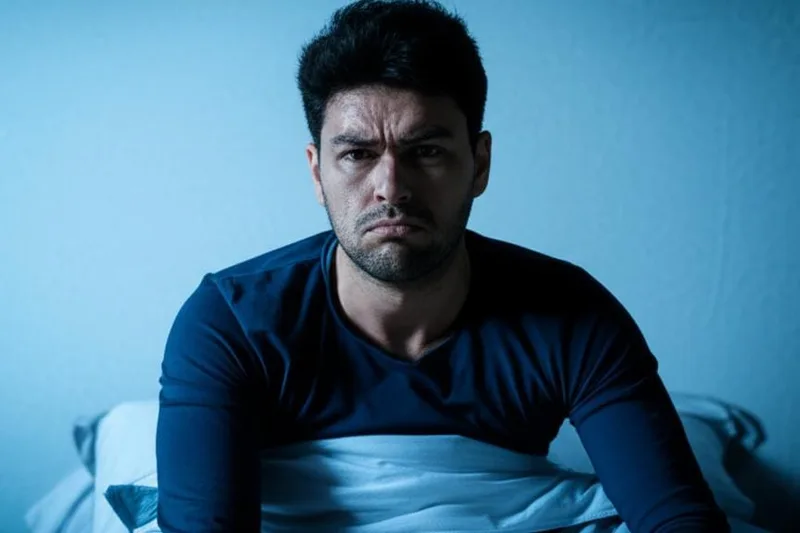
Do you sometimes experience strange things in your sleep? Maybe you talk in your sleep, walk in your sleep, or wake up from a nightmare. While it's normal for these things to happen once or twice, if you experience them regularly, it could be a symptom of a sleep disorder called parasomnias . So, let's talk about this in a little more detail today, because it's important to be aware of it.
What are Parasomnias?
Simply put, parasomnias are any unusual behaviors or experiences that occur during sleep. These can occur when you are falling asleep, while you are sleeping, or when you are about to wake up.
If you have a parasomnia, you may experience the following:
- Talking in your sleep.
- Sleepwalking.
- Having bad dreams.
- Feeling very confused when you wake up.
- Not remembering what you did in your sleep in the morning.
Just think, when you do these things, others may think you're awake. But you're actually asleep. When you wake up in the morning, you may not even remember what you did while you were asleep.
What are the types of parasomnias?
Parasomnias can be divided into three main categories, depending on the stage of sleep in which they occur.
1. Parasomnias that occur during Non-REM (Non-Rapid Eye Movement) sleep: When we fall asleep, we go through different stages of sleep. Non-REM sleep refers to the three stages of sleep that occur from the moment we first fall asleep until about the first half of the night. This is when some of the physical and verbal parasomnias occur.
2. Parasomnias that occur during REM (Rapid Eye Movement) sleep: REM sleep is the stage of sleep that comes after the three non-REM stages. In this, our eyes move rapidly under our eyelids, and our heart rate, breathing, and blood pressure increase. This is when we experience very vivid, vivid dreams. Parasomnias during REM sleep usually occur late at night.
3. Other parasomnias: Some parasomnias fall into this category because they do not exactly belong to any of the sleep stages, either Non-REM or REM.
Parasomnias that occur during non-REM sleep
There are several types of parasomnias:
- Sleep Terrors: This is when you suddenly wake up from a fright. You may scream or cry out in fear. The terror is usually short-lived (about 30 seconds), but can sometimes last for several minutes. You may also experience things like an increased heart rate, dilated pupils , rapid breathing, and sweating.
- Sleepwalking (Somnambulism):In this, you get out of bed, open your eyes, and move around, but you are still asleep. You may be able to perform complex activities – like driving a car or playing a musical instrument – or even do things you wouldn't normally do, such as urinating in a place where there is no toilet.
- Confusional Arousals: As the name suggests, you may feel very confused and disoriented when you wake up. You may sit up in bed, keep your eyes open, or cry. You may also speak slowly or have difficulty understanding what others are saying. This condition can last from a few minutes to a few hours. It is more common in young children and tends to decrease with age.
Parasomnias that occur during REM sleep
Here are some of these types of parasomnias:
- Nightmare Disorder: Nightmares are vivid dreams that cause fear, terror, and/or anxiety. If you wake up during a nightmare, you may be able to describe the dream in detail. It can sometimes be difficult to fall back asleep after waking up.
- Recurrent Isolated Sleep Paralysis: This is when you wake up and can't move your body. This usually happens when your muscles are already relaxed, like before you go to sleep or when you wake up. It can last from a few seconds to a few minutes. It can be very distressing and can be frightening and frightening. You can get out of this state if someone talks to you or touches you.
- REM Sleep Behavior Disorder (RSBD): In this, you act out, speak (scream, laugh, scream) or make aggressive movements (hit, kick, grab) in response to a disturbing dream. This sleep disorder is more common in older adults and in people with neurodegenerative diseases such as Parkinson's disease , Lewy body dementia or multiple system atrophy .
Other types of parasomnias
There are also types of parasomnias that don't exactly fit into the categories of non-REM and REM sleep:
- Sleep Enuresis / Bedwetting: This is the involuntary passage of urine during sleep. Bedwetting, which is a parasomnia, usually occurs after the age of 5. It must also occur at least twice a week for three months.
- Sleep-related Groaning / Catathrenia: In this, you make continuous groaning sounds (long groans, followed by sighs or snoring) during your sleep.
- Exploding Head Syndrome:This sleep disorder causes you to hear a loud, popping, or popping sound inside your head when you fall asleep or wake up. You may see flashes of light or experience sudden jerks in your body.
- Sleep-related hallucinations: This is when you experience things that are not really there, either while falling asleep or waking up.
- Sleep-related Eating Disorder: This sleep disorder causes you to eat and drink while you sleep. You may eat foods that you would never eat while awake (e.g., raw chicken, a piece of butter). The dangers here include eating unhealthy or poisonous foods, choking, or injuries (cuts, burns) while preparing or cooking food.
- Sexsomnia: You may engage in sexual behavior while you sleep . This may include intercourse, masturbation, sexual assault, touching the person in bed, or making sexual sounds.
How common are parasomnias?
In fact, some types of parasomnias are more common than others. Since there are so many different types, one study found that between 4% and 67% of adults worldwide have experienced a parasomnia at least once in their lives. So it's not that uncommon.
What are the symptoms of parasomnias?
Symptoms of parasomnia vary depending on the type, but some common symptoms include:
- Difficulty sleeping continuously throughout the night.
- Doing things during sleep that you wouldn't normally do when you're awake.
- Feeling strong emotions (fear, stress, anxiety) upon waking.
- Feeling tired during the day.
- Nightmares.
- Making movements during sleep as if awake (grabbing things, walking).
- Making noises such as talking and screaming in sleep.
- Feeling confused or disoriented upon waking.
What are the causes of parasomnia?
There are several possible causes of parasomnias. Your symptoms may be the result of something that is disrupting your sleep throughout the night. For example:
- An irregular sleep and wake pattern (e.g. due to jet lag or shift work ).
- Your body has difficulty transitioning from waking to going to sleep.
- Your genetic predisposition.
- Immaturity of the sleep-wake cycle (this affects young children).
Some medications that cause parasomnias
Now let's see, there are some medications that can cause sleep problems, or parasomnias, when used. If you are taking any of these medications, it's a good idea to talk to your doctor about it. But never stop taking them or change the dosage without medical advice, right?
- Antibiotics (such as fluoroquinolones )
- Antidepressant medications (Amitriptyline , Bupropion , Paroxetine , Mirtazapine )
- Antiepileptic drugs (such as Topiramate )
- Antipsychotic medications (such as Quetiapine , Olanzapine )
- Asthma/allergy medications (such as Montelukast )
- Medications for high blood pressure (such as Propranolol , Metoprolol )
- Sleeping medications (such as Benzodiazepines , Zolpidem )
Other health conditions that cause parasomnias
There are several other health conditions that can cause parasomnia symptoms. Common conditions include:
- Chronic pain
- Circadian rhythm disorders
- Narcolepsy ( sleep disorder)
- Obstructive sleep apnea
- Periodic limb movement disorder
- Restless legs syndrome
Other common situations or events:
- Alcohol or drug use disorders.
- Inflammatory diseases (such as encephalitis - inflammation of the brain).
- Mental health conditions (such as Depression , Anxiety , Post-traumatic stress disorder - PTSD ).
- Nervous system diseases ( such as Parkinson's disease , Lewy body dementia , Stroke , Multiple system atrophy , Multiple sclerosis , brain tumors, Migraines , and Spinocerebellar ataxia type three ).
- Pregnancy.
- Serious head injuries ( Traumatic brain injury - TBI ).
What triggers parasomnias?
The things that make this condition worse, or triggers, can vary from person to person. But in general, things like these can be involved:
- Some medications.
- Drinking alcohol before going to bed.
- Fever.
- Hearing some sounds.
- Not getting enough sleep ( sleep deprivation ).
- Physical touch.
- Stress.
What are the risk factors for parasomnias?
Parasomnias can affect anyone of any age. Children and young adults between the ages of 5 and 25 are most likely to experience non-REM parasomnias. Parasomnias in children are usually associated with neurological or psychiatric health conditions such as epilepsy , attention deficit hyperactivity disorder (ADHD) , or developmental challenges.
REM parasomnias are most common in adulthood. They usually occur with an underlying neurological or brain degenerative condition.
If someone in your family has Non-REM Parasomnia, you may be at risk for it too.
What complications can occur due to parasomnias?
Parasomnias can cause complications such as:
- Depression.
- Physical injury to yourself and others.
- Poor performance at work or school.
- Sleep anxiety.
- Stress.
Parasomnias rarely cause fatal physical injuries, but it is important to be aware of other complications.
How is parasomnia diagnosed?
A doctor, usually a sleep specialist ( somnologist ), diagnoses parasomnias by conducting a physical examination, a neurological exam, and other tests.
During the exam, your doctor will learn more about your symptoms. They may ask someone who sleeps with you or someone who has observed your behavior while you are sleeping about what they have seen. They will also ask about your complete medical history, family medical history, any medications and supplements you are currently taking, and whether you are using alcohol or other drugs, as these can also affect your sleep.
Your doctor will probably ask you to keep a sleep diary for at least a week. This will help you record the time you go to bed, the time you fall asleep, the time you wake up, and any events or symptoms you experience. This will help your doctor get a better understanding of your sleep patterns.
Tests to diagnose parasomnias
Tests can help your doctor rule out other conditions with similar symptoms and pinpoint the cause. Tests for parasomnias may include:
- Sleep study (Polysomnogram): In this, doctors observe you while you sleep. They record your brain waves, heart rate, eye movements, and breathing.
- Video Electroencephalogram (EEG) or sleep EEG: These tests allow your doctor to watch and record your brain activity while you are asleep.
- Imaging tests: Tests such as a CT scan or MRI scan can help determine if there is brain degeneration or other causes.
Is there a complete cure for parasomnias?
There is no single cure for all types of parasomnias. However, there are treatments that can help control symptoms and manage them throughout life. Many children find that their parasomnias decrease or disappear completely as they get older.
How are parasomnias treated?
Treatment options may vary depending on the type of parasomnia. However, all parasomnias can benefit from the following:
- Following good sleep hygiene habits (e.g., sleeping 7-9 hours a day, turning off lights and electronics, keeping the room temperature cool, avoiding caffeine and excessive exercise close to bedtime).
- Maintain a regular sleep-wake cycle with a consistent bedtime and wake-up time.
- Limit alcohol consumption and avoid using drugs or other substances without a medical prescription.
- Take all medications prescribed by the doctor exactly.
- Participating in Cognitive Behavioral Therapy (CBT) .
Your doctor will talk to you about the best treatment options based on your specific type of parasomnia, your health history, and any underlying medical conditions.
Medications for parasomnias
Some of the medications used to treat parasomnias are:
- Benzodiazepines
- Selective Serotonin Reuptake Inhibitors (SSRIs)
- Tricyclic antidepressants
- Clonazepam
- Melatonin
Your doctor may prescribe medication for REM parasomnias, but they probably won't prescribe medication for non-REM parasomnias unless they are long-lasting or potentially harmful. Medication is not the first-line treatment for parasomnias, but medication may be helpful if regular sleep habits and bedtime routines don't help your symptoms.
How are parasomnias in children treated?
Some childhood parasomnias do not require treatment, as they disappear on their own as the child grows older.
Children who experience parasomnias may wake up feeling scared, confused, or anxious. Reassurance and reassurance that everything is okay can help manage occasional parasomnias. However, if parasomnias occur frequently and are affecting your child's daytime activities, talk to your pediatrician.
Medications are rarely needed. Even when they are needed, they are usually prescribed for short periods of time, usually three to six weeks. The most common medications are benzodiazepines , or anti-anxiety medications.
Can parasomnias be prevented?
Not all causes of parasomnias, such as neurological diseases, mental health conditions, or genetics, can be prevented. The best way to reduce the risk of parasomnias is to practice good sleep hygiene.Follow up. Also, ask your doctor about any medications you are currently taking. Many medications can interfere with sleep. If so, your doctor may suggest a different medication to avoid side effects.
How can you prevent other dangers caused by parasomnias?
If you have a parasomnia that puts you at risk of injury during sleep, such as sleepwalking or REM sleep behavior disorder, your doctor may give you advice to protect yourself. These advice may include:
- Sleep on the first floor.
- Don't sleep on bunk beds or bunk beds; keep your mattress close to the floor.
- Reduce co-sleeping as much as possible.
- Remove furniture or lamps near the bed, or add padding to potentially dangerous areas in your bedroom.
- If you want to keep a glass of water in your room, use plastic cups instead of glass.
- Use childproof doorknobs.
- Remove or lock up any weapons or dangerous items in your home.
- Install alarms on windows and doors.
What happens if there is parasomnia?
It's normal to experience parasomnias, such as nightmares, at times in your life. But sometimes, if sleep disturbances occur frequently, it can interfere with your ability to stay awake during the day and function as expected.
Each person experiences parasomnias differently. A young child may outgrow some nighttime behaviors as they grow older, or they may develop more sleep disturbances as they age naturally. Whatever your situation, if you're not getting the rest you need to feel good during the day, a doctor can help you.
There are treatment options, which can range from changing your sleep habits to taking regular medications. If parasomnias are a side effect, your doctor may also change the medications you take.
When should you see a doctor?
See a doctor in these cases:
- If you don't get enough sleep.
- If your sleep quality is poor.
- If you often have trouble sleeping.
- If you feel confused when you wake up.
- If you wake up feeling like you can't move.
- If you have been using urinal control but still wet the bed frequently.
If you're concerned about something in your sleep pattern, talk to a doctor. They can help you get the sleep your body needs.
What questions should I ask my doctor?
You can ask your doctor questions like these:
- What type of parasomnia do I have?
- How can I improve my sleep hygiene?
- What kind of treatment do you recommend?
- Are there any side effects of the treatment?
- How can I improve my sleep safety?
- How long after starting treatment will my symptoms subside?
You may not remember what you did or what you dreamed while you were asleep. Often, someone you live with is the first to notice parasomnias. These events may occur several times in your lifetime. However, they can also occur every night or several times a week. Not being able to get the rest you need every night can be very stressful and mentally draining. If your behaviors are interfering with your daytime functioning and your ability to stay awake, it's time to talk to a doctor. There are treatments for parasomnias that can help you fall asleep and wake up refreshed without interruption.
Finally, things to remember
So, I hope you now have a better understanding of the parasomnias we talked about today. Remember, don't panic if something strange happens during sleep. Most of the time, these are not serious.
However, if these things happen frequently, if they continue to affect your daily life, your sleep, and your mental well-being, then definitely seek medical advice. This is nothing to be ashamed of or hide. Because the causes can be found and, in most cases, good treatment can be given. This will not only benefit you, but also your family. Don't forget that good sleep is essential for a healthy life!
👩🏽⚕️ Additional questions (FAQs)
💬 Are parasomnias the same as walking around at night?
Sleepwalking is just one of them. It includes all the other unusual sleep disorders that include screaming loudly while sleeping, talking in your sleep, grinding your teeth (bruxism), and sleep terrors (screaming out loud while your eyes are open).
💬 Is it dangerous to suddenly wake up a sleepwalker?
If you try to wake them up suddenly, they may get a big shock and attack you, because they are unconscious at that time. The best thing to do is to hold their hand and take them back to bed and let them sleep.
💬 Do I need to take medicine for this?
These conditions in young children (especially sleep terrors) usually improve with age. However, if an adult's condition is severe enough to endanger themselves or others (e.g., opening the gate in their sleep and walking out into the street), they may need to be treated by a neurologist.
` Sleep, parasomnia, sleep disorders, sleepwalking, nightmares, sleep talking, sleep problems




💬 Comments (0)
No comments have been posted yet. Add your comment here for the first time.
Add your comment