

Have you ever wondered what the largest and most important blood vessel in our body is? It is the aorta, or aorta . It is like the main highway in our body. It runs from the heart all the way to the abdomen. It is the one that carries the oxygen-rich, clean blood pumped by the heart to the entire body. So, if something goes wrong with this aorta, it can affect the entire body. That is the group of diseases that affect the aorta, which we call Aortopathy .
What is Aortopathy? Let's understand it simply.
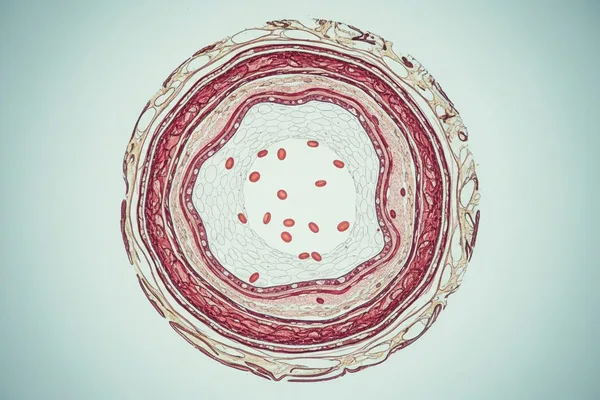
Simply put, aortopathy is a collection of conditions that weaken or damage the walls of your aorta. Now imagine, your heart pumps blood directly into this aorta every time it beats. So, these artery walls need to be very strong to withstand that pressure. But, what happens if these walls weaken? They can rupture or dissect. This is very dangerous. The type of aortopathy you have will affect the aorta differently.
What are the main types of aortopathy?
There are different types of aortopathy. Let's talk about some of the main ones.
Abdominal Aortic Aneurysm (AAA)
This is when the wall of your aorta, which runs through your stomach, becomes weak and bulges out like a balloon. We also call this an aneurysm . This condition most often affects people over 65, smokers, or those with other risk factors for heart disease. This ``(AAA)`` is dangerous because it can suddenly burst and cause life-threatening bleeding.
Thoracic Aortic Aneurysm (TAA)
This is a weakening or dilation of the part of the aorta that runs through the chest. The condition `(TAA)` is not as common as `(AAA)`. However, it is more likely to run in families, meaning it can be passed down through generations. Like `(AAA)`, the main risk of `(TAA)` is that it may rupture.
The dangerous condition called Aortic Dissection
This is a bit complicated. What happens here is that the inner layer of the wall of the aorta tears. This happens where the wall of the aorta is weak. Sometimes, as mentioned earlier, it can happen where there is an aneurysm. However, it can also happen without an aneurysm. There are two main types of this. Type A dissection is a tear in the part of the aorta closest to the heart (i.e., before the aortic arch). Type B dissection is a tear after the aortic arch, in the chest or abdomen. This ``(Aortic Dissection)`` is a life-threatening condition that requires immediate recognition and treatment .
Let's learn about Familial Aortopathy?
Familial Aortopathy is a genetic condition that runs in families.Familial aortopathy is a disease of the large arteries that is associated with a family history of aortic disease. These people have a gene variant that makes them more likely to develop aortic disease. Most often, this hereditary aortopathy affects the large arteries in the chest, especially the aortic root or ascending aorta.
There are two main categories in this too:
What is Syndromic Aortopathy?
We also call this `(Syndromic hereditary thoracic aortic disease)`. Simply put, you have a genetic syndrome that affects your aorta and causes other changes in your body. Some syndromes that lead to aortic disease are:
- `Loeys-Dietz syndrome`
- `Marfan syndrome`
- `Turner syndrome`
- ``Vascular Ehlers-Danlos syndrome''
Let's also be aware of Non-syndromic Aortopathy
This is called ``Non-syndromic heritable thoracic aortic disease.'' Here, you don't have a specific genetic syndrome, but you have a gene variant that increases your risk of developing aortic disease. Scientists have linked more than 50 genetic mutations to this aortopathy. Some of the genes that have been strongly linked are:
- `ACTA2` (This is the most commonly seen)
- `FOXE3`
- `LOX`
- `MYH11`
- `MYLK`
Remember, if anyone in your family has had an aneurysm or dissection of the aorta, talk to your doctor about genetic testing . If you are diagnosed with aortic disease, you may need to have genetic testing to see if other members of your family are also at risk.
What is Bicuspid Aortopathy?
This is also called `(Bicuspid valve-associated aortopathy)`. This means that, along with aortic stenosis, you also have a congenital heart condition called Bicuspid Aortic Valve (BAV) . This `(BAV)` is a common congenital heart condition, affecting approximately one in 50 babies.
Now, your aortic valve is one of four "gates" that control the flow of blood in your heart. It controls the flow of blood from the left ventricle, the heart's main pumping chamber, into the aorta. A healthy aortic valve has three leaflets that open and close to control the flow of blood. However, a bicuspid aortic valve has only two leaflets. This may not cause any major problems for a while, but it can cause complications over time.
If you have bicuspid aortopathy, your aortic valve has two leaflets, and your aorta is wider than normal (dilated). In people with bicuspid aorta, the dilation often occurs in the aortic root or ascending aorta. These are the parts of the aorta closest to the heart.
Complications of Bicuspid Aortopathy
A slightly enlarged aorta may not be a big problem. However, if it becomes too large, an aneurysm can develop. This aneurysm puts extra pressure on the walls of the aorta, which can cause it to rupture or dissection. People with bicuspid aortopathy are about nine times more likely to have an aortic dissection than people without the condition.
How common is this aortopathy?
It varies depending on the type of disease. Aortic aneurysm (AAA) is the most common type of aortopathy, and it is also the most common type of aneurysm. In the United States alone, about 200,000 people are diagnosed with an AAA each year. Worldwide, about 47,000 people die each year from all types of aortopathy.
What are the symptoms of Aortopathy? Don't ignore these!
Aortopathy often has no symptoms . That's what's most dangerous. That's why it's important to get regular medical checkups if you have risk factors.
There are some symptoms that may appear when an aneurysm is about to rupture. Warning signs that may appear before it ruptures include:
- Feeling full even after eating a little.
- Persistent pain in the back, buttocks, groin, leg, or stomach.
- Feeling a heartbeat in the stomach area.
- Difficulty breathing.
Aneurysm rupture and aortic dissection are life-threatening emergencies! If you have the following symptoms , call 1990 immediately for an ambulance, or go to the nearest hospital emergency room:
- Sudden onset of severe stomach pain.
- A sudden, sharp, severe pain in the chest or upper back. This can feel like it's being torn from the inside, like a knife stabbing, or like it's being stabbed.
- Sticky skin or excessive sweating.
- Confusion.
- Dizziness or fainting.
- Heart rate increases.
- Nausea and vomiting.
- Difficulty breathing.
- Difficulty speaking.
- Loss of vision.
- Weakness or numbness on one side of the body.
What are the causes of Aortopathy?
There are several causes of aortopathy. Some are present at birth, while others develop later in life.
- Genetics: As mentioned earlier, genetic syndromes and gene variants can cause aortic disease. Familial aortopathy is often inherited in an autosomal dominant manner. This means that if one parent has the gene, their child has a 50% chance of inheriting it.
- Congenital heart disease: These are associated with aortopathy. This does not mean that aortopathy is caused by congenital heart disease, but the two are often seen together. Examples: `Bicuspid aortic valve`, `Coarctation of the aorta`, `Pulmonary atresia with ventricular septal defect (VSD)`, `Tetralogy of Fallot`, `d-Transposition of the great arteries`, `Truncus arteriosus`. Aortopathy can also occur after surgeries for some congenital heart diseases. Examples: `Arterial switch (ASO) operation`, `Atrial baffle (Mustard/Senning) operation`, `The staged Norwood, Glenn and Fontan surgeries`.
- Atherosclerosis: This is the buildup of fatty deposits (plaque) inside the arteries, gradually narrowing them. Atherosclerosis of the aorta is the leading cause of aortopathy later in life.
Who is at higher risk of developing aortopathy?
There are several risk factors that can contribute to the development of aortopathy:
- Smoking and tobacco use: This is a major risk factor . The vast majority of aneurysms occur in people who smoke or have smoked in the past.
- High blood pressure (Hypertension): This condition can weaken the walls of the arteries over time.
- Aging: The risk of developing an aneurysm increases after the age of 65.
- Family history: If a biological family member has had an aneurysm or dissection, you are at increased risk.
- High cholesterol or high triglycerides: Increased levels of fats (lipids) in the blood increase the risk of fatty deposits in the arteries.
- Autoimmune diseases: Autoimmune diseases like `Giant cell arteritis` and `Takayasu arteritis` can cause inflammation in the walls of large arteries, weakening them.
- Infection: Rarely, infections such as syphilis, or bacterial infections of the wall of the great arteries, can weaken it.
How do you diagnose aortopathy?
Aneurysms and dissections often have no symptoms or warning signs, so they may not be detected until serious complications occur. However, if you have risk factors, your doctor will examine your aorta for signs of disease.
The methods used to diagnose aortopathy are:
- Physical exam: Your doctor will check all aspects of your health. He or she will also evaluate your risk factors for heart disease. This will include asking about your medical history, lifestyle factors (such as smoking), and family history.
- Genetic testing: Your doctor may recommend genetic testing. This will show whether you have genetic mutations associated with coronary artery disease.
- Imaging tests: Your doctor may order these tests to check the size and health of your aorta. These tests measure the diameter of your aorta and see if it is wider than normal.
What tests are used to diagnose Aortopathy?
- ``Computed tomography (CT) scan''
- ``Magnetic resonance imaging (MRI)''
- Transthoracic echocardiogram (TTE) (a scan of the heart)
- Transesophageal echocardiogram (TEE) (a heart scan done through the esophagus)
- Abdominal ultrasound (an ultrasound scan of the abdomen)
Each test has its own advantages and disadvantages. Your doctor will explain which test you need and why. Your doctor may also use one or more of these tests to monitor your aorta over time. You may need to have these images taken at regular intervals (for example, once a year). How often you need to have these tests depends on your risk factors and the current health of your aorta.
What are the treatments for Aortopathy?
Treatment depends on your specific condition and your risk of complications. Your doctor will tailor your treatment to your condition and needs. Treatment options include lifestyle changes, medications, medical procedures, and surgery.
Let's start with lifestyle changes!
Lifestyle changes can help slow the progression of some types of aortic disease and reduce the risk of an aneurysm bursting. If you have aortic disease, it is important to do the following:
- Avoid alcohol.
- Avoid smoking and all tobacco products.
- Eat a heart-healthy diet.
- Exercise regularly (as directed by your doctor).
- Maintain a healthy weight for you.
- Control heart disease risk factors like high blood pressure and high cholesterol.
If necessary, there are also medications like this.
Your doctor may prescribe medication to help lower your blood pressure. Blood pressure medications reduce the pressure of blood against your artery walls. This can reduce the risk of a large artery aneurysm rupturing or dissection. The types of medications you may take include:
- ``Angiotensin converting enzyme (ACE) inhibitors''
- ``Angiotensin receptor blockers (ARBs)''
- `Beta-blockers`
- `Calcium channel blockers`
- Diuretics (medicines that make you urinate more)
Surgeries and other medical procedures
Some people need medical or surgical treatment for aortopathy. These include:
- Aneurysm surgery (traditional open surgery)
- Aortic root replacement surgery
- Endovascular aneurysm repair (EVAR) - This is a treatment in which a tube is inserted through a small incision.
- Thoracic endovascular aneurysm repair (TEVAR) - This is also a similar treatment for the thoracic artery.
What can we do to reduce the risk of aortopathy?
You can reduce your risk of developing aortopathy by adopting a heart-healthy lifestyle. Here are some tips:
- Avoid drugs: Tobacco, drugs, and alcohol are not good for your heart. In fact, they can damage your heart and blood vessels. Quit smoking and drugs completely. When it comes to alcohol, know exactly what a `drink` is and limit the amount. Doctors recommend that women have no more than one `drink` a day and men have no more than two `drinks` a day.
- Eat a heart-healthy diet: This includes eating foods that are low in saturated fat, trans fat, sodium (salt), and sugar. Limit refined carbohydrates (like white bread) and eat more whole grains (like whole-wheat bread, brown rice). Also, be aware of how nutrition affects your cholesterol levels.
- Exercise: There is no one-size-fits-all approach to exercise. Do what you enjoy. Also, follow your doctor’s advice about what exercise is safe for you. Doctors generally recommend 150 minutes of moderate-intensity exercise per week. This can include brisk walking, cycling, or swimming.
- Manage stress: It's not as easy as it sounds. But it's important to try to learn new ways to help you deal with stress in your daily life. Also, talk to your family and friends about the methods that work for them.
What is the outlook for someone with Aortopathy? (Outlook)
The best person to ask about your future is your doctor. He or she will consider many factors, for example:
- Your specific medical condition.
- The rate of progression of your disease.
- Your age and gender.
- Your heart disease risk factors.
- Your family medical history.
- Your entire medical history.
Talk to your doctor about what to expect going forward.
If I have Aortopathy, how should I take care of myself?
Your doctor will give you guidelines for self-care. Follow those guidelines exactly, and ask your doctor if you have any questions. You will need to do the following:
- Avoid strenuous exercise or contact sports.
- Limit or stop drinking alcohol completely.
- Make changes to your diet.
- Stop smoking or using tobacco products.
- Take your medication as prescribed.
Pregnancy and Aortopathy
Pregnancy can be dangerous if you have coronary artery disease. Talk to your doctor before you plan to get pregnant to make sure it's safe for you. You may need special care during pregnancy (such as frequent imaging tests) to reduce your risk of complications. Avoid medications that are unsafe during pregnancy. Your doctor may need to change your medications.
What time should I see a doctor?
See your doctor for annual checkups, and go to all follow-up appointments. Your doctor will tell you how often you should come for checkups.
If you were diagnosed with congenital heart disease as a child, you probably had a pediatric cardiologist who cared for your condition. But, after you turned 18, you may not have found a new specialist. Research shows that many people get confused when they transition from pediatric to adult care. If you were treated for congenital heart disease as a young child, it's important to continue working with a cardiologist as an adult. This is true even if you don't feel any problems. Your cardiologist will advise you about your risk for aortopathy and other conditions as you get older.
Finally, the most important things to remember (Take-Home Message)
Aortopathy is a serious condition that can be life-threatening if not recognized and treated. If someone in your family has had an aneurysm or dissection of the aorta, talk to your doctor about your risk. Some people are at higher risk because of genetic conditions, congenital heart disease, or lifestyle factors like smoking. Living a heart-healthy lifestyle can reduce your risk of aortopathy and strengthen your entire body.Take care of your heart, because it is the heartbeat of your life!
👩🏽⚕️ Additional questions (FAQs)
💬 Is Aortopathy a heart disease?
Not of the heart, this is a disease of the 'largest blood vessel' that comes from the heart. This name is given to any disease that occurs in the main and largest vessel (Aorta) that carries blood from our heart to the entire body. Most often, what happens is that the walls of this vessel become thin and weak.
💬 What happens when this vein becomes weak?
When this becomes weak, the artery can no longer withstand the pressure of blood pumped by the heart, and the artery begins to bulge like a balloon (Aortic aneurysm). If it continues to grow like this, the artery suddenly bursts without any prior warning (Aortic dissection / Rupture). Then the patient dies within minutes.
💬 Can you detect this before it explodes?
Most of the time, the patient does not feel any discomfort or pain from this enlargement of the artery (a silent disease). Since this is often hereditary (genetic - like Marfan syndrome), if someone in the family has a ruptured aorta, it is imperative that others get an Echocardiogram or CT scan to check this and take the necessary surgery or blood pressure medication.
` Aortopathy, Aorta, Heart Disease, Aneurysm, Aortic Dissection, Genetic Diseases, Chest Pain, High Blood Pressure, Smoking, Heart Health




💬 Comments (0)
No comments have been posted yet. Add your comment here for the first time.
Add your comment