Is the blood vessel in your neck blocked? Let's know before a stroke: Everything about Carotid Endarterectomy surgery

Is the blood vessel in your neck blocked? Let's know before a stroke: Everything about Carotid Endarterectomy surgery

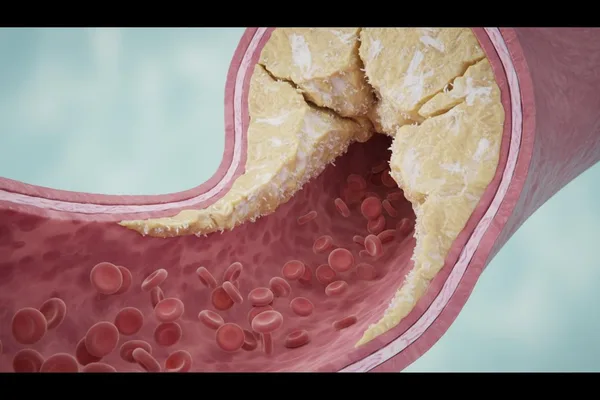
There are two main blood vessels that carry blood to our brain on either side of our neck. Imagine what would happen if these blood vessels were to become clogged with plaque, or rather, plaque. It's like rust building up inside a water pipe. Then the amount of blood going to the brain would decrease. This is what paves the way for a dangerous stroke. So, today we're going to talk about a special surgery that's done to remove this type of blockage.

Simply put, what is Carotid Endarterectomy?

This is a long and strange name, but its meaning is very simple. This is a surgery. This surgery involves surgically removing the fatty and cholesterol plaques that have built up inside the carotid artery in your neck. We have two carotid arteries on the left and right sides of our neck. These two supply blood to our brain, neck, and face. This surgery can be done on the left or right side, depending on the side that is blocked.

Doctors remove these fatty deposits to restore blood flow to the brain. This is because these fatty deposits can slow down blood flow, or sometimes stop it altogether. If your brain doesn't get enough blood, you're more likely to have a stroke.

The most important thing is that a stroke is a medical emergency. If symptoms of a stroke appear, taking the patient to the Emergency Treatment Unit (ETU) as soon as possible, within three hours, is very important to save lives.

Your doctor will examine you, review your medical history, and test results to determine whether this surgery is necessary. This surgery may generally be recommended in the following situations. Let's look at this in a table to help you understand it more clearly.

When surgery may be recommended Simply explained
Carotid Artery Disease If an ultrasound scan has found that more than half (50%) of the blood vessels in your neck are blocked by fatty deposits.
Impaired blood flow to the brain Tests have confirmed that the amount of blood flowing to the brain has decreased significantly due to this blockage.
Having a mini-stroke or a precursor stroke (TIA) If you have already had a mild stroke or a transient ischemic attack (TIA) due to a blockage in a blood vessel.
Severe congestion without symptoms Even if you don't feel any symptoms, if scans show that the blood vessel is severely blocked, it's like defusing a bomb before it's time.

How do you prepare before surgery?

There are several things you need to do and prepare for before this surgery.

  • Special tests: Your doctor may order special scans, such as a cerebral angiogram, CT angiography, or MR angiography, to get a very clear picture of your carotid arteries and brain.
  • Tell your doctor about all the medications you are taking (including vitamins, herbal remedies, and supplements). Some medications may need to be stopped for a while before surgery. However, medications like aspirin are often prescribed to be taken throughout the surgery.
  • Quitting smoking: If you are a smoker, you should definitely quit before surgery . Smoking increases the risk of blood clots and delays the healing process.
  • Instructions from the medical team: The medical team will give you clear instructions on what to eat and drink the day before surgery, what time to come to the hospital, etc. Follow all of them exactly.

How is the surgery done?

This surgery is performed in a hospital operating room and usually takes about an hour or two.

Before the surgery begins, you will be given anesthesia. There are two ways to do this. One is general anesthesia, which puts you completely asleep.. The other is local anesthesia , which numbs only the area of ​​your neck where the surgery is being performed while you are awake. If you are given local anesthesia, you will also be given medicine to help you relax.

The surgeon performs the operation in this way:

1. First, they find the exact location of the blocked blood vessel and make a small incision about 4 inches long in the neck.

2. Next, they will check to see if they need to keep the blood flowing to the brain during the surgery. If necessary, a small tube (shunt) will be temporarily inserted to allow blood to bypass the blocked area and flow to the brain.

3. Then, an incision is made along the blocked part of the blood vessel and the fatty layer (plaque) inside is carefully removed.

4. After the fat layer is removed, the blood vessel is sewn back together. Often, a patch made of a special material is placed to widen the blood vessel slightly to prevent it from getting clogged again.

5. Finally, the temporary tube that was placed is removed and blood flow is restored to normal.

What are the benefits and risks of this surgery?

The biggest advantage of this surgery is that it significantly reduces the risk of having a stroke in the future. When performed by an experienced surgeon, the risk is minimal.

However, as with any surgery, there is a small chance of some complications.

Potential Complications
- Bleeding
- Infection
- Blood clots
- Nerve damage
- Having a stroke or heart attack
- Reocclusion of the blood vessel in the future

This risk can vary from person to person. Several factors can affect it:

  • The extent to which the blood vessel is blocked.
  • Have you ever had a stroke before?
  • Whether you have other diseases such as diabetes, heart disease, or kidney disease.
  • Your age (the risk increases slightly as you get older).

What happens after the surgery and how long does it take to recover?

You will need to stay in the hospital for about a day after the surgery. This is to monitor your condition. You will be able to eat and drink normally within a few hours after the surgery. You may have a small tube (drain) placed in your neck to drain fluid from the incision. This is usually removed within a day.

There may be some neck pain for about two weeks. You can use ordinary painkillers for that.

The recovery process is usually quick. Most people go home the day after surgery. After going home:

  • Bathing: Bathing is okay. But don't rub the surgical glue over the incision or let water directly hit it.
  • Caring for the incision: Check the incision daily. Do not apply any lotion to it. Avoid wearing clothing that rubs against the incision.
  • Return to work: You can resume normal activities in a week or two.
  • Driving: You can drive again once the incision has healed well and there is no pain when turning your neck.

Just because the surgery was successful doesn't mean you should go back to your old habits. You need to change your lifestyle to prevent blood clots from recurring.

Your doctor may recommend doing these things:

  • Following a healthy diet .
  • Exercise if the doctor allows it.
  • Quitting smoking completely.
  • Reducing stress.
  • Taking cholesterol-lowering medications as prescribed.

Should I see the doctor again? What symptoms should I look out for?

Yes, absolutely. You should see your doctor a month after the surgery. Then every six months for two years, and then once a year after that. This is done to see if the blood vessel that was operated on is getting blocked again, or if there is a problem with the blood vessel on the other side, using an ultrasound scan.

Also, if you experience the following symptoms, call your doctor immediately.

Pay special attention to these features!

  • If you feel feverish or have a cold.
  • If the incision site is red, swollen, or has green or yellow fluid coming out of it.
  • If it is difficult to swallow.
  • If you have chest pain, swelling in your legs, or difficulty breathing.
  • If you have a severe headache, confusion, or difficulty speaking or understanding what others are saying.
  • If you experience blurred vision, dizziness, lightheadedness, or numbness.

What is the difference between this surgery and stent placement?

This is a problem for many people.

  • Carotid Endarterectomy: This involves cutting open the blood vessel and removing the fatty layer inside.
  • Stenting: This involves inserting a small balloon into the blood vessel to widen the blocked area (this is called angioplasty), and then placing a metal tube (stent) inside the widened area to prevent it from becoming blocked again.

Both methods work to restore blood flow to the brain. Your doctor will decide which method is best for you.

It's normal for anyone to be scared when they hear about a problem with blood flow to the brain. However, this carotid endarterectomy surgery is a very effective way to improve blood flow to the brain and save you from a dangerous condition like a stroke. If you have any questions or doubts, talk to your doctor and clarify everything.

Take-Home Message

  • Carotid endarterectomy is a surgery that removes fatty deposits (plaque) inside the main blood vessel in the neck, reducing the risk of stroke.
  • Although this is a major surgery, it is generally very safe and successful when performed under the supervision of an experienced medical team.
  • The recovery time after surgery is quick, but it is essential to follow a healthy lifestyle to prevent recurrence of blood clots.
  • Be aware of any warning signs that may occur after surgery. If you have any concerns, contact your doctor immediately.

Carotid Endarterectomy, stroke, carotid artery, plaque, fatty deposits, cholesterol, surgery, heart disease
⚠️ Important: The medical articles and information on Nirogi Lanka are for general awareness only, and are by no means a substitute for professional medical advice, diagnosis, or treatment. For any medical problem you have, consult a qualified physician immediately.

💬 Comments (0)

No comments have been posted yet. Add your comment here for the first time.

Add your comment

Please calculate: 4 + 5 =
Is the blood vessel in your neck blocked? Let's know before a stroke: Everything about Carotid Endarterectomy surgery
SurgeriesJuly 7, 2026

Is the blood vessel in your neck blocked? Let's know before a stroke: Everything about Carotid Endarterectomy surgery

There are two main blood vessels that carry blood to our brain on either side of our neck. Imagine what would happen if these blood vessels were to become clogged with plaque, or rather, plaque. It's like rust building up inside a water pipe. Then the amount of blood going to the brain would decrease. This is what paves the way for a dangerous stroke. So, today we're going to talk about a special surgery that's done to remove this type of blockage.

Simply put, what is Carotid Endarterectomy?

This is a long and strange name, but its meaning is very simple. This is a surgery. This surgery involves surgically removing the fatty and cholesterol plaques that have built up inside the carotid artery in your neck. We have two carotid arteries on the left and right sides of our neck. These two supply blood to our brain, neck, and face. This surgery can be done on the left or right side, depending on the side that is blocked.

Doctors remove these fatty deposits to restore blood flow to the brain. This is because these fatty deposits can slow down blood flow, or sometimes stop it altogether. If your brain doesn't get enough blood, you're more likely to have a stroke.

The most important thing is that a stroke is a medical emergency. If symptoms of a stroke appear, taking the patient to the Emergency Treatment Unit (ETU) as soon as possible, within three hours, is very important to save lives.

Your doctor will examine you, review your medical history, and test results to determine whether this surgery is necessary. This surgery may generally be recommended in the following situations. Let's look at this in a table to help you understand it more clearly.

When surgery may be recommended Simply explained
Carotid Artery Disease If an ultrasound scan has found that more than half (50%) of the blood vessels in your neck are blocked by fatty deposits.
Impaired blood flow to the brain Tests have confirmed that the amount of blood flowing to the brain has decreased significantly due to this blockage.
Having a mini-stroke or a precursor stroke (TIA) If you have already had a mild stroke or a transient ischemic attack (TIA) due to a blockage in a blood vessel.
Severe congestion without symptoms Even if you don't feel any symptoms, if scans show that the blood vessel is severely blocked, it's like defusing a bomb before it's time.

How do you prepare before surgery?

There are several things you need to do and prepare for before this surgery.

  • Special tests: Your doctor may order special scans, such as a cerebral angiogram, CT angiography, or MR angiography, to get a very clear picture of your carotid arteries and brain.
  • Tell your doctor about all the medications you are taking (including vitamins, herbal remedies, and supplements). Some medications may need to be stopped for a while before surgery. However, medications like aspirin are often prescribed to be taken throughout the surgery.
  • Quitting smoking: If you are a smoker, you should definitely quit before surgery . Smoking increases the risk of blood clots and delays the healing process.
  • Instructions from the medical team: The medical team will give you clear instructions on what to eat and drink the day before surgery, what time to come to the hospital, etc. Follow all of them exactly.

How is the surgery done?

This surgery is performed in a hospital operating room and usually takes about an hour or two.

Before the surgery begins, you will be given anesthesia. There are two ways to do this. One is general anesthesia, which puts you completely asleep.. The other is local anesthesia , which numbs only the area of ​​your neck where the surgery is being performed while you are awake. If you are given local anesthesia, you will also be given medicine to help you relax.

The surgeon performs the operation in this way:

1. First, they find the exact location of the blocked blood vessel and make a small incision about 4 inches long in the neck.

2. Next, they will check to see if they need to keep the blood flowing to the brain during the surgery. If necessary, a small tube (shunt) will be temporarily inserted to allow blood to bypass the blocked area and flow to the brain.

3. Then, an incision is made along the blocked part of the blood vessel and the fatty layer (plaque) inside is carefully removed.

4. After the fat layer is removed, the blood vessel is sewn back together. Often, a patch made of a special material is placed to widen the blood vessel slightly to prevent it from getting clogged again.

5. Finally, the temporary tube that was placed is removed and blood flow is restored to normal.

What are the benefits and risks of this surgery?

The biggest advantage of this surgery is that it significantly reduces the risk of having a stroke in the future. When performed by an experienced surgeon, the risk is minimal.

However, as with any surgery, there is a small chance of some complications.

Potential Complications
- Bleeding
- Infection
- Blood clots
- Nerve damage
- Having a stroke or heart attack
- Reocclusion of the blood vessel in the future

This risk can vary from person to person. Several factors can affect it:

  • The extent to which the blood vessel is blocked.
  • Have you ever had a stroke before?
  • Whether you have other diseases such as diabetes, heart disease, or kidney disease.
  • Your age (the risk increases slightly as you get older).

What happens after the surgery and how long does it take to recover?

You will need to stay in the hospital for about a day after the surgery. This is to monitor your condition. You will be able to eat and drink normally within a few hours after the surgery. You may have a small tube (drain) placed in your neck to drain fluid from the incision. This is usually removed within a day.

There may be some neck pain for about two weeks. You can use ordinary painkillers for that.

The recovery process is usually quick. Most people go home the day after surgery. After going home:

  • Bathing: Bathing is okay. But don't rub the surgical glue over the incision or let water directly hit it.
  • Caring for the incision: Check the incision daily. Do not apply any lotion to it. Avoid wearing clothing that rubs against the incision.
  • Return to work: You can resume normal activities in a week or two.
  • Driving: You can drive again once the incision has healed well and there is no pain when turning your neck.

Just because the surgery was successful doesn't mean you should go back to your old habits. You need to change your lifestyle to prevent blood clots from recurring.

Your doctor may recommend doing these things:

  • Following a healthy diet .
  • Exercise if the doctor allows it.
  • Quitting smoking completely.
  • Reducing stress.
  • Taking cholesterol-lowering medications as prescribed.

Should I see the doctor again? What symptoms should I look out for?

Yes, absolutely. You should see your doctor a month after the surgery. Then every six months for two years, and then once a year after that. This is done to see if the blood vessel that was operated on is getting blocked again, or if there is a problem with the blood vessel on the other side, using an ultrasound scan.

Also, if you experience the following symptoms, call your doctor immediately.

Pay special attention to these features!

  • If you feel feverish or have a cold.
  • If the incision site is red, swollen, or has green or yellow fluid coming out of it.
  • If it is difficult to swallow.
  • If you have chest pain, swelling in your legs, or difficulty breathing.
  • If you have a severe headache, confusion, or difficulty speaking or understanding what others are saying.
  • If you experience blurred vision, dizziness, lightheadedness, or numbness.

What is the difference between this surgery and stent placement?

This is a problem for many people.

  • Carotid Endarterectomy: This involves cutting open the blood vessel and removing the fatty layer inside.
  • Stenting: This involves inserting a small balloon into the blood vessel to widen the blocked area (this is called angioplasty), and then placing a metal tube (stent) inside the widened area to prevent it from becoming blocked again.

Both methods work to restore blood flow to the brain. Your doctor will decide which method is best for you.

It's normal for anyone to be scared when they hear about a problem with blood flow to the brain. However, this carotid endarterectomy surgery is a very effective way to improve blood flow to the brain and save you from a dangerous condition like a stroke. If you have any questions or doubts, talk to your doctor and clarify everything.

Take-Home Message

  • Carotid endarterectomy is a surgery that removes fatty deposits (plaque) inside the main blood vessel in the neck, reducing the risk of stroke.
  • Although this is a major surgery, it is generally very safe and successful when performed under the supervision of an experienced medical team.
  • The recovery time after surgery is quick, but it is essential to follow a healthy lifestyle to prevent recurrence of blood clots.
  • Be aware of any warning signs that may occur after surgery. If you have any concerns, contact your doctor immediately.

Carotid Endarterectomy, stroke, carotid artery, plaque, fatty deposits, cholesterol, surgery, heart disease
⚠️ Important: The medical articles and information on Nirogi Lanka are for general awareness only, and are by no means a substitute for professional medical advice, diagnosis, or treatment. For any medical problem you have, consult a qualified physician immediately.

💬 Comments (0)

No comments have been posted yet. Add your comment here for the first time.

Add your comment

Please calculate: 4 + 5 =