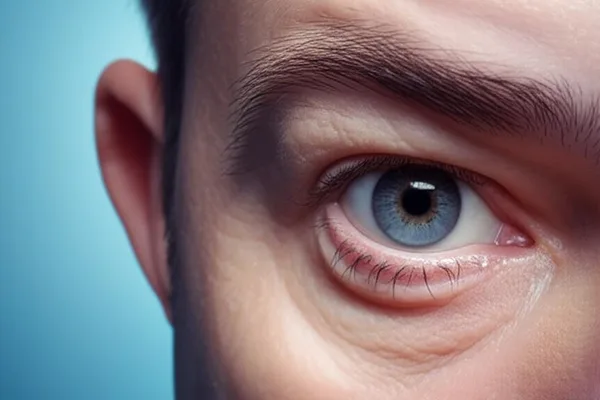
Is your eyesight deteriorating due to diabetes? Let's talk about Diabetic Retinopathy

Is your eyesight deteriorating due to diabetes? Let's talk about Diabetic Retinopathy

If you have diabetes, you probably know that you need to take special care of your eyes. But why do you say that? How can diabetes damage your eyesight? That's what we're talking about today. This is what we call diabetic retinopathy . This is one of the main complications that comes with diabetes. So it's very important to be aware of this.

What is Diabetic Retinopathy?

Simply put, this is a condition that affects the eyes due to diabetes. At the back of our eyes is a very delicate, important membrane called the retina . It's like the film in a camera. It's where the light from the things we see is converted into images. So to keep this retina healthy, it has very delicate blood vessels that supply it with blood.

When a person with diabetes has uncontrolled high blood sugar levels for a long time, these tiny blood vessels become damaged. They become swollen, leak fluid or blood, or become completely blocked. This is a condition we call diabetic retinopathy.

This usually affects both eyes. If not treated properly, the retina can become scarred, gradually losing vision, and eventually leading to complete blindness . This condition is the leading cause of vision loss in people with diabetes.

What are the main symptoms of this disease?

We can talk about this disease in two main stages: the initial stage and the complicated stage that occurs when the disease becomes severe.

Early stage (Non-proliferative Diabetic Retinopathy - NPDR)

This is the initial stage of the disease. What happens in this is that fluid or a little blood leaks out of the small blood vessels in the retina that I mentioned earlier. This can cause the retina to swell. Sometimes these blood vessels swell and form small balloon-like lumps (microaneurysms).

At this point, you may not notice a big difference in your vision. Your vision may be a little blurry. But most of the time, these changes are first detected by your eye doctor during an annual eye exam.

Severe or complicated case (Proliferative Diabetic Retinopathy - PDR)

This is the most dangerous stage of the disease. What happens here is that when the old blood vessels become blocked, new, but abnormal, weak blood vessels begin to form inside the eye. Because these new blood vessels are not formed properly, they are very weak and burst easily.

When these rupture, blood leaks into the jelly-like substance inside the eye (vitreous humor). If the bleeding is small, you may see small black dots or thread-like objects floating in front of your eyes (floaters).You can see. But if the bleeding is severe, you may suddenly lose your vision completely.

Scar tissue forms around these new blood vessels. When this scar tissue shrinks, it can cause the retina to come off the back of the eye (retinal detachment) . These abnormal blood vessels can also increase pressure inside the eye, causing a condition called glaucoma .

Do you also have these symptoms?

Many people may not experience any symptoms in the early stages of the disease. That's why it's so dangerous. But as the condition gets more serious, you may experience things like:

  • Blurred vision.
  • Vision becomes clear, then shifts back and forth as if it's blurred again.
  • Floaters are the appearance of black spots or threads floating in front of the eyes.
  • Seeing gaps or black spots in the middle of your vision.
  • Inability to recognize colors properly.
  • Poor vision at night.
  • Difficulty reading books and seeing at a distance.
  • Perhaps a feeling of pain or pressure in the eyes.

If you have any of these symptoms, see a doctor without delay.

Who is most at risk of developing this disease?

The main thing is that if you have any type of diabetes, whether it's Type 1, Type 2, or gestational diabetes , you're at risk for developing this condition. The longer you have diabetes, the higher your risk.

In addition, these factors also increase the risk:

  • High blood pressure
  • High cholesterol
  • Tobacco use
  • Pregnancy
  • Obesity
  • Kidney disease
  • Genetics
Diagnosis Treatment
Your eye doctor can diagnose this condition during a routine eye exam. He or she will dilate the pupil and look inside the eye. The treatment method varies depending on the stage of the disease. There are several main treatment methods.
A special test called a Fluorescein Angiogram can pinpoint the exact location of leaks in blood vessels. Anti-VEGF injections: A special injection is injected into the eye. This stops the formation of abnormal blood vessels. (Ex: Aflibercept, Bevacizumab, Ranibizumab)
A scan called Optical Coherence Tomography (OCT) checks the thickness of the retina and whether there is fluid buildup. Laser Surgery: Laser beams are used to "seal" leaking blood vessels.
Vitrectomy surgery: If blood gets inside the eye and causes vision loss, this surgery is performed to remove the blood.

How can we protect ourselves from this dangerous situation?

This is the most important part. There are many things you can do to protect yourself from this disease.

  • The most important thing: Keep your blood sugar and blood pressure under control. Work with your doctor to do this. Take your medications as prescribed.
  • Definitely: See an eye doctor for a complete eye exam at least once a year. Don't wait for symptoms to appear. If detected early, treatment can help preserve your vision.
  • If you are a pregnant mother: If you are a pregnant mother with diabetes, be sure to have an eye exam within the first three months of pregnancy.
  • Avoid smoking: Smoking makes this condition worse.
  • Cholesterol control: Control blood cholesterol levels.
  • Healthy lifestyle: Eat a balanced diet and exercise.

Remember, this disease may not be completely curable. However, with early detection and proper treatment, you can definitely prevent the disease from getting worse and preserve your precious vision .

Take-Home Message

  • Diabetes is a disease that directly affects the eyes, so always take care of your eyes.
  • The best protection you can take is to keep your blood sugar and blood pressure under control.
  • Even if you have no symptoms, it is essential to have your eyes examined by an ophthalmologist at least once a year.
  • If you notice any changes in your vision (e.g. blurred vision, black spots), don't ignore it. See a doctor without delay.
  • Prompt treatment can protect your precious vision for life.

Diabetic Retinopathy, Diabetes Eyesight, Vision Loss, Diabetes and Eyes, Eye Diseases, Diabetes Complications
⚠️ Important: The medical articles and information on Nirogi Lanka are for general awareness only, and are by no means a substitute for professional medical advice, diagnosis, or treatment. For any medical problem you have, consult a qualified physician immediately.

💬 Comments (0)

No comments have been posted yet. Add your comment here for the first time.

Add your comment

Please calculate: 2 + 8 =
Is your eyesight deteriorating due to diabetes? Let's talk about Diabetic Retinopathy
Preventive HealthJuly 7, 2026

Is your eyesight deteriorating due to diabetes? Let's talk about Diabetic Retinopathy

If you have diabetes, you probably know that you need to take special care of your eyes. But why do you say that? How can diabetes damage your eyesight? That's what we're talking about today. This is what we call diabetic retinopathy . This is one of the main complications that comes with diabetes. So it's very important to be aware of this.

What is Diabetic Retinopathy?

Simply put, this is a condition that affects the eyes due to diabetes. At the back of our eyes is a very delicate, important membrane called the retina . It's like the film in a camera. It's where the light from the things we see is converted into images. So to keep this retina healthy, it has very delicate blood vessels that supply it with blood.

When a person with diabetes has uncontrolled high blood sugar levels for a long time, these tiny blood vessels become damaged. They become swollen, leak fluid or blood, or become completely blocked. This is a condition we call diabetic retinopathy.

This usually affects both eyes. If not treated properly, the retina can become scarred, gradually losing vision, and eventually leading to complete blindness . This condition is the leading cause of vision loss in people with diabetes.

What are the main symptoms of this disease?

We can talk about this disease in two main stages: the initial stage and the complicated stage that occurs when the disease becomes severe.

Early stage (Non-proliferative Diabetic Retinopathy - NPDR)

This is the initial stage of the disease. What happens in this is that fluid or a little blood leaks out of the small blood vessels in the retina that I mentioned earlier. This can cause the retina to swell. Sometimes these blood vessels swell and form small balloon-like lumps (microaneurysms).

At this point, you may not notice a big difference in your vision. Your vision may be a little blurry. But most of the time, these changes are first detected by your eye doctor during an annual eye exam.

Severe or complicated case (Proliferative Diabetic Retinopathy - PDR)

This is the most dangerous stage of the disease. What happens here is that when the old blood vessels become blocked, new, but abnormal, weak blood vessels begin to form inside the eye. Because these new blood vessels are not formed properly, they are very weak and burst easily.

When these rupture, blood leaks into the jelly-like substance inside the eye (vitreous humor). If the bleeding is small, you may see small black dots or thread-like objects floating in front of your eyes (floaters).You can see. But if the bleeding is severe, you may suddenly lose your vision completely.

Scar tissue forms around these new blood vessels. When this scar tissue shrinks, it can cause the retina to come off the back of the eye (retinal detachment) . These abnormal blood vessels can also increase pressure inside the eye, causing a condition called glaucoma .

Do you also have these symptoms?

Many people may not experience any symptoms in the early stages of the disease. That's why it's so dangerous. But as the condition gets more serious, you may experience things like:

  • Blurred vision.
  • Vision becomes clear, then shifts back and forth as if it's blurred again.
  • Floaters are the appearance of black spots or threads floating in front of the eyes.
  • Seeing gaps or black spots in the middle of your vision.
  • Inability to recognize colors properly.
  • Poor vision at night.
  • Difficulty reading books and seeing at a distance.
  • Perhaps a feeling of pain or pressure in the eyes.

If you have any of these symptoms, see a doctor without delay.

Who is most at risk of developing this disease?

The main thing is that if you have any type of diabetes, whether it's Type 1, Type 2, or gestational diabetes , you're at risk for developing this condition. The longer you have diabetes, the higher your risk.

In addition, these factors also increase the risk:

  • High blood pressure
  • High cholesterol
  • Tobacco use
  • Pregnancy
  • Obesity
  • Kidney disease
  • Genetics
Diagnosis Treatment
Your eye doctor can diagnose this condition during a routine eye exam. He or she will dilate the pupil and look inside the eye. The treatment method varies depending on the stage of the disease. There are several main treatment methods.
A special test called a Fluorescein Angiogram can pinpoint the exact location of leaks in blood vessels. Anti-VEGF injections: A special injection is injected into the eye. This stops the formation of abnormal blood vessels. (Ex: Aflibercept, Bevacizumab, Ranibizumab)
A scan called Optical Coherence Tomography (OCT) checks the thickness of the retina and whether there is fluid buildup. Laser Surgery: Laser beams are used to "seal" leaking blood vessels.
Vitrectomy surgery: If blood gets inside the eye and causes vision loss, this surgery is performed to remove the blood.

How can we protect ourselves from this dangerous situation?

This is the most important part. There are many things you can do to protect yourself from this disease.

  • The most important thing: Keep your blood sugar and blood pressure under control. Work with your doctor to do this. Take your medications as prescribed.
  • Definitely: See an eye doctor for a complete eye exam at least once a year. Don't wait for symptoms to appear. If detected early, treatment can help preserve your vision.
  • If you are a pregnant mother: If you are a pregnant mother with diabetes, be sure to have an eye exam within the first three months of pregnancy.
  • Avoid smoking: Smoking makes this condition worse.
  • Cholesterol control: Control blood cholesterol levels.
  • Healthy lifestyle: Eat a balanced diet and exercise.

Remember, this disease may not be completely curable. However, with early detection and proper treatment, you can definitely prevent the disease from getting worse and preserve your precious vision .

Take-Home Message

  • Diabetes is a disease that directly affects the eyes, so always take care of your eyes.
  • The best protection you can take is to keep your blood sugar and blood pressure under control.
  • Even if you have no symptoms, it is essential to have your eyes examined by an ophthalmologist at least once a year.
  • If you notice any changes in your vision (e.g. blurred vision, black spots), don't ignore it. See a doctor without delay.
  • Prompt treatment can protect your precious vision for life.

Diabetic Retinopathy, Diabetes Eyesight, Vision Loss, Diabetes and Eyes, Eye Diseases, Diabetes Complications
⚠️ Important: The medical articles and information on Nirogi Lanka are for general awareness only, and are by no means a substitute for professional medical advice, diagnosis, or treatment. For any medical problem you have, consult a qualified physician immediately.

💬 Comments (0)

No comments have been posted yet. Add your comment here for the first time.

Add your comment

Please calculate: 2 + 8 =