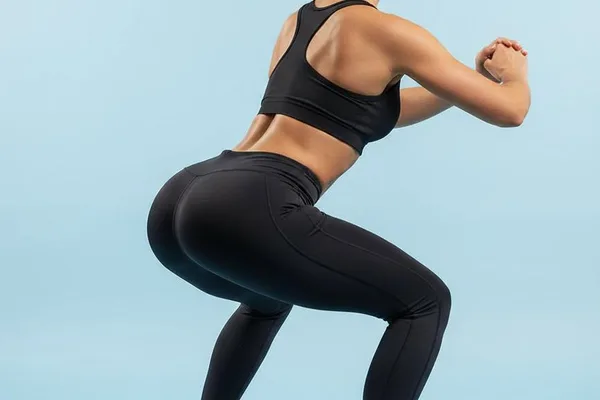
Let's learn more about your gluteal muscles.

Let's learn more about your gluteal muscles.

We sit, stand, walk, run... You may not have thought about one of the largest and most powerful muscle groups in our body that helps us do all of this. Those are the muscles in our buttocks. Medically, we call these the gluteal muscles. In colloquial terms, many people also call them 'glutes.' So today, let's talk in a little more detail about this neglected, but extremely important muscle group.

What are the Gluteal Muscles?

Simply put, these are the muscles in your buttocks. They are located at the very bottom of our core. Surprisingly, they are one of the largest and heaviest muscle groups in our bodies.

These gluteal muscles are divided into three main parts. Like big brother, middle brother, and little brother.

  • Gluteus maximus: This is the largest and strongest muscle.
  • Gluteus medius: This is the medium-sized one.
  • Gluteus minimus: This is the smallest muscle of the three.

These three work together as a team to facilitate most of our movements. Let's take a closer look at these three muscles.

Muscle Description
Gluteus maximus This is what primarily creates the shape of the buttocks. It is the largest and most powerful muscle on the surface.
Gluteus medius It's shaped like a fan. It's located underneath the gluteus maximus, towards the hip bone.
Gluteus minimus This is also fan-shaped, but smaller in size. This is the deepest muscle. That is, underneath the gluteus medius.

What are the benefits of these muscles to our bodies?

These three muscles work together to help you move safely. Just think, without them, we wouldn't even be able to stand up straight. Here are some of their main functions:

  • Body weight support: These muscles help support the weight of your entire upper body when you stand and walk.
  • Keeping your pelvis stable: Imagine you're standing with one leg raised. These muscles work together to keep your pelvis stable, keeping you upright and not leaning to one side.
  • Keeping the hip joint stable: These help to connect the bones of the hip joint together and keep them stable as your thigh moves.

We use these glutes for many of the normal tasks we do every day. For example:

  • Sitting and standing up
  • Walking
  • Leg lifts, such as climbing stairs
  • Running
  • Jumping

Everyone has a special job!

Although these muscles work as a group, each one has specific tasks assigned to it.

Gluteus maximus: This is the largest and strongest muscle in our body. It is primarily used whenever you need power to move forward, such as standing up, running, or climbing stairs. It also helps keep your back straight and your hips balanced when you are sitting. If you touch your buttocks as you stand up from a chair, you will feel this muscle tighten.

Gluteus medius & minimus: These two muscles work together to help move your thighs. These two muscles are especially important for abduction and rotation of the thighs.

What problems and illnesses can occur in these muscles?

Most of the time, we only think about these muscles when our butt hurts the next day after exercising. But there are a variety of health problems that can affect them. People who sit in one place for a long time are especially likely to develop these problems.

The most important thing is that if these muscles become weak, the effects can manifest in other areas, such as back pain and knee pain.

Below are some common problems that affect these muscles.

Problem / medical conditionSimply put...
Gluteal nerve injury Damage to the nerves that control these muscles. This condition can be caused by a hip dislocation, a broken bone, complications from hip surgery, or damage from certain injections. This can cause the muscles to become paralyzed and unable to move normally.
Glute muscle weakness This is the most common problem. These muscles become weak because they are not used enough. Sitting in a chair all day, not exercising, etc. can weaken the gluteus maximus in particular. Some people also call this "dead butt syndrome."
Glute inhibition This means that for some reason the gluteal muscles are not working properly. This can happen because of pain or tightness in other nearby tissues, causing the muscles to "turn off". The body then tries to compensate by using other muscles. This can lead to conditions called gluteal tendinopathy and trochanteric bursitis.

How can I keep my gluteal muscles healthy?

The best and simplest answer to this is to stay active . It helps keep your entire musculoskeletal system healthy, not just your glutes.

Are you someone who sits most of the day?

So, try adding some of these things to your daily routine.

  • Get up often: Don't sit in a chair for hours at a time. If possible, get up and walk around at least once every hour. Even just getting a drink of water or walking around is a good idea.
  • Correct posture: When sitting, lean back in your chair and keep your back straight.
  • Exercise: There are exercises that strengthen the glutes. Exercises like squats, lunges, and bridges are great for this. However, if you have a problem like back pain, be sure to consult your doctor before starting any exercise.
  • Physical Therapy Support: Sometimes, if these muscles are weak, it can be very helpful to seek the help of a physical therapist. They can design an exercise program that is right for you.

Remember, if your buttock pain doesn't go away after a few days of rest, don't ignore it. Definitely see a doctor to find out the cause.

Although we don't think about it, these gluteal muscles are the silent workers of our body. They are constantly working to keep us upright and make our movements easier. Therefore, giving these muscles the necessary attention and keeping them healthy is very important for our overall health.

Take-Home Message

  • The gluteal muscles are one of the largest and strongest muscle groups in the body, located in your buttocks.
  • These muscles help keep your body balanced and stable every time you walk, run, stand, or sit.
  • Sitting in the same position for too long is a major cause of weakening these muscles, which can lead to back and knee pain.
  • Living an active lifestyle and doing the right exercises can keep these muscles healthy and strong.
  • If you have pain in the buttocks that lasts more than a few days, it is very important to not ignore it and seek medical advice.

Buttock muscles, gluteal muscles, glutes, muscle weakness, exercise, fitness, back pain

Frequently Asked Questions (FAQ)

Are you someone who sits most of the day?

So, try adding some of these things to your daily routine.

⚠️ Important: The medical articles and information on Nirogi Lanka are for general awareness only, and are by no means a substitute for professional medical advice, diagnosis, or treatment. For any medical problem you have, consult a qualified physician immediately.

💬 Comments (0)

No comments have been posted yet. Add your comment here for the first time.

Add your comment

Please calculate: 7 + 5 =
Let's learn more about your gluteal muscles.
How the Body WorksJuly 7, 2026

Let's learn more about your gluteal muscles.

We sit, stand, walk, run... You may not have thought about one of the largest and most powerful muscle groups in our body that helps us do all of this. Those are the muscles in our buttocks. Medically, we call these the gluteal muscles. In colloquial terms, many people also call them 'glutes.' So today, let's talk in a little more detail about this neglected, but extremely important muscle group.

What are the Gluteal Muscles?

Simply put, these are the muscles in your buttocks. They are located at the very bottom of our core. Surprisingly, they are one of the largest and heaviest muscle groups in our bodies.

These gluteal muscles are divided into three main parts. Like big brother, middle brother, and little brother.

  • Gluteus maximus: This is the largest and strongest muscle.
  • Gluteus medius: This is the medium-sized one.
  • Gluteus minimus: This is the smallest muscle of the three.

These three work together as a team to facilitate most of our movements. Let's take a closer look at these three muscles.

Muscle Description
Gluteus maximus This is what primarily creates the shape of the buttocks. It is the largest and most powerful muscle on the surface.
Gluteus medius It's shaped like a fan. It's located underneath the gluteus maximus, towards the hip bone.
Gluteus minimus This is also fan-shaped, but smaller in size. This is the deepest muscle. That is, underneath the gluteus medius.

What are the benefits of these muscles to our bodies?

These three muscles work together to help you move safely. Just think, without them, we wouldn't even be able to stand up straight. Here are some of their main functions:

  • Body weight support: These muscles help support the weight of your entire upper body when you stand and walk.
  • Keeping your pelvis stable: Imagine you're standing with one leg raised. These muscles work together to keep your pelvis stable, keeping you upright and not leaning to one side.
  • Keeping the hip joint stable: These help to connect the bones of the hip joint together and keep them stable as your thigh moves.

We use these glutes for many of the normal tasks we do every day. For example:

  • Sitting and standing up
  • Walking
  • Leg lifts, such as climbing stairs
  • Running
  • Jumping

Everyone has a special job!

Although these muscles work as a group, each one has specific tasks assigned to it.

Gluteus maximus: This is the largest and strongest muscle in our body. It is primarily used whenever you need power to move forward, such as standing up, running, or climbing stairs. It also helps keep your back straight and your hips balanced when you are sitting. If you touch your buttocks as you stand up from a chair, you will feel this muscle tighten.

Gluteus medius & minimus: These two muscles work together to help move your thighs. These two muscles are especially important for abduction and rotation of the thighs.

What problems and illnesses can occur in these muscles?

Most of the time, we only think about these muscles when our butt hurts the next day after exercising. But there are a variety of health problems that can affect them. People who sit in one place for a long time are especially likely to develop these problems.

The most important thing is that if these muscles become weak, the effects can manifest in other areas, such as back pain and knee pain.

Below are some common problems that affect these muscles.

Problem / medical conditionSimply put...
Gluteal nerve injury Damage to the nerves that control these muscles. This condition can be caused by a hip dislocation, a broken bone, complications from hip surgery, or damage from certain injections. This can cause the muscles to become paralyzed and unable to move normally.
Glute muscle weakness This is the most common problem. These muscles become weak because they are not used enough. Sitting in a chair all day, not exercising, etc. can weaken the gluteus maximus in particular. Some people also call this "dead butt syndrome."
Glute inhibition This means that for some reason the gluteal muscles are not working properly. This can happen because of pain or tightness in other nearby tissues, causing the muscles to "turn off". The body then tries to compensate by using other muscles. This can lead to conditions called gluteal tendinopathy and trochanteric bursitis.

How can I keep my gluteal muscles healthy?

The best and simplest answer to this is to stay active . It helps keep your entire musculoskeletal system healthy, not just your glutes.

Are you someone who sits most of the day?

So, try adding some of these things to your daily routine.

  • Get up often: Don't sit in a chair for hours at a time. If possible, get up and walk around at least once every hour. Even just getting a drink of water or walking around is a good idea.
  • Correct posture: When sitting, lean back in your chair and keep your back straight.
  • Exercise: There are exercises that strengthen the glutes. Exercises like squats, lunges, and bridges are great for this. However, if you have a problem like back pain, be sure to consult your doctor before starting any exercise.
  • Physical Therapy Support: Sometimes, if these muscles are weak, it can be very helpful to seek the help of a physical therapist. They can design an exercise program that is right for you.

Remember, if your buttock pain doesn't go away after a few days of rest, don't ignore it. Definitely see a doctor to find out the cause.

Although we don't think about it, these gluteal muscles are the silent workers of our body. They are constantly working to keep us upright and make our movements easier. Therefore, giving these muscles the necessary attention and keeping them healthy is very important for our overall health.

Take-Home Message

  • The gluteal muscles are one of the largest and strongest muscle groups in the body, located in your buttocks.
  • These muscles help keep your body balanced and stable every time you walk, run, stand, or sit.
  • Sitting in the same position for too long is a major cause of weakening these muscles, which can lead to back and knee pain.
  • Living an active lifestyle and doing the right exercises can keep these muscles healthy and strong.
  • If you have pain in the buttocks that lasts more than a few days, it is very important to not ignore it and seek medical advice.

Buttock muscles, gluteal muscles, glutes, muscle weakness, exercise, fitness, back pain

Frequently Asked Questions (FAQ)

Are you someone who sits most of the day?

So, try adding some of these things to your daily routine.

⚠️ Important: The medical articles and information on Nirogi Lanka are for general awareness only, and are by no means a substitute for professional medical advice, diagnosis, or treatment. For any medical problem you have, consult a qualified physician immediately.

💬 Comments (0)

No comments have been posted yet. Add your comment here for the first time.

Add your comment

Please calculate: 7 + 5 =