
Let's learn about a method that treats not only the disease, but also yourself? (Integrative Medicine)

Let's learn about a method that treats not only the disease, but also yourself? (Integrative Medicine)

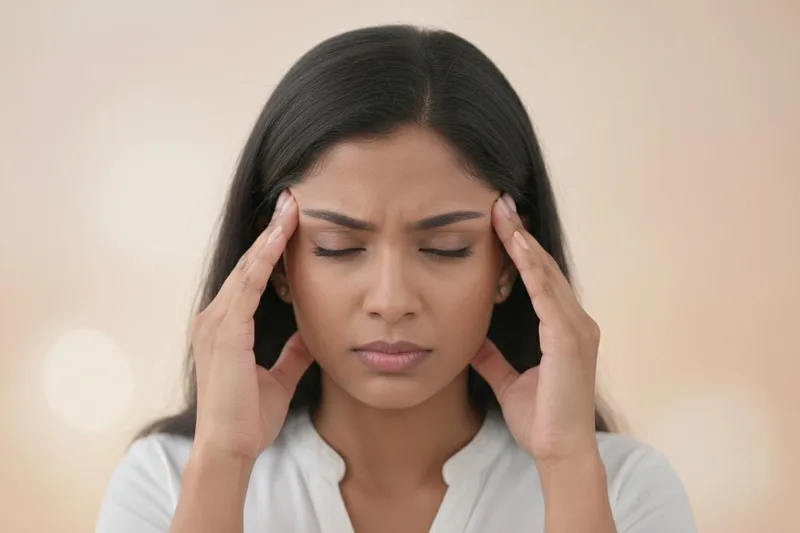
Imagine that you have a headache all the time. You go to a doctor and take medicine, it subsides for a while, but after a few days the headache comes back. Why is that? Maybe the cause of your headache is not a problem with your head. The stress of your job, not sleeping well at night, what you eat and drink... Many things like this can affect it. That's where the concept of Integrative Medicine that we are talking about today becomes important for us. It doesn't just treat your illness, it treats you as a whole person and brings healing to your body, mind, and spirit.

So what exactly is Integrative Medicine?

Simply put, this is a treatment method that combines Western medicine (the treatments we usually receive from doctors) and scientifically proven complementary therapies.

Imagine you are a big tree. Your illness is like a leaf on that tree turning yellow. In a normal treatment system, we only treat that yellow leaf. But in Integrative Medicine, we look at "Why did this leaf turn yellow?" We examine the root system of the tree. That means we look at everything, your lifestyle, what you eat, your mental health, whether you exercise or not, how your social relationships are.

The important thing is that in this method, you and your doctor are equal partners. You are the leader in your own healing journey. Doctors and other therapists are just guiding you.

It recognizes that your physical, mental, emotional, and spiritual needs all affect your health. They are all interconnected. That's why we combine a variety of treatments and lifestyle changes to try to provide you with the best possible healing.

Who provides these treatments?

This treatment is not something that is done by one person. It is a team effort. Experts from different fields work together to do this. They may include:

  • Physicians: Those who have expertise in Western medicine.
  • Acupuncturists: Those who balance the flow of energy by inserting fine needles into specific points on the body.
  • Holistic Mind-Body Psychotherapists: Those who provide counseling focusing on the connection between the mind and body.
  • Chinese Herbal Therapists: Those who administer herbal medicines according to the traditional Chinese medical system.
  • Yoga and Tai Chi Practitioners: Those who practice exercises and breathing techniques that connect the body and mind.
  • Massage Therapists: Those who provide healing by massaging the muscles and tissues of the body.
  • Nutritionists: People who create a diet plan that suits your health.
  • Chefs - Culinary Medicine: Those who combine the art of cooking and the science of nutrition to teach cooking in a way that helps control disease.

How can Integrative Medicine help me?

This is where many people make a mistake. Integrative Medicine is not about replacing your primary care provider or specialist. These specialists work alongside all of your other doctors and are part of your healthcare team.

Their main goal is to prevent and manage chronic diseases.

But this is not for emergencies. If you suddenly have chest pain, have an accident, or have another emergency, you should go to the Emergency Department (ETU) . Integrative Medicine is a slow, long-term approach to building your well-being.

Who is this treatment best suited for?

Even a healthy person can benefit from this method. But it is especially helpful for those with long-term, complex medical conditions. Integrative Medicine can provide relief for the following conditions:

Medical condition/problem How it can help
Autoimmune Diseases To balance the functioning of the immune system and reduce inflammation.
Chronic Pain Reduce dependence on painkillers and introduce natural methods of pain management.
Headaches and MigrainesReducing stress, dietary changes, and acupuncture can reduce the frequency of headaches.
Cancer Side Effects To reduce nausea, pain, and fatigue caused by treatment.
Digestive Disorders Control symptoms through dietary changes and stress management.
Mental Health Issues Providing relief from conditions such as anxiety and depression through methods such as counseling and yoga.
High blood pressure (Hypertension) Help control blood pressure through exercise, diet, and stress reduction techniques.
Sleep Issues Teaching how to create a comfortable environment for sleep and ways to calm the mind.

What are the main treatments in Integrative Medicine?

There are many different treatments and services under this system. Let's take a brief look at a few of them.

Acupuncture

This involves inserting very fine needles into specific points on your body to balance the flow of energy (Qi). This stimulates the body's natural healing abilities. This can provide relief from conditions such as joint pain, migraines, anxiety, and fatigue .

Chinese Herbal Therapy

This involves administering thousands of herbal and mineral-based medicines from traditional Chinese medical texts. It can provide relief from conditions such as fatigue, digestive problems, pain, and colds .

Chiropractic Therapy

These specialists perform delicate adjustments to your spine, joints, and soft tissues. This can help relieve back, neck, shoulder, and knee pain .It provides relief from muscle and bone related problems.

Culinary Medicine

This is a very interesting concept. It combines the science of food and nutrition with the art of cooking. That is, it helps you control diseases while enjoying your food. This is very important for controlling conditions like diabetes, high blood pressure, and obesity .

Holistic Psychotherapy

It uses scientifically proven methods to improve your mental health. In addition to regular talk therapy, it includes things like hypnotherapy, breathing and relaxation techniques .

Massage Therapy

Massage is not just for relieving body aches. When done correctly, it can help relieve a variety of problems, including muscle pain, headaches, and constipation . It can also help reduce pain after surgery.

Reiki

This is a form of energy healing. In this, the therapist balances your body's natural energy field. This revitalizes the body, balances emotions, and improves health. It can help relieve symptoms of conditions such as cancer, chronic pain, and stress .

Yoga and Tai Chi

Both of these methods combine specific body postures, movements, and breathing patterns to integrate your mind and body. This,

  • Stress and pain are reduced.
  • Immunity increases.
  • Blood pressure drops.
  • Body posture and balance improve.
  • Muscles become stronger.

What are the advantages and risks of this method?

The main benefit is that these methods support your body's natural ability to heal itself. This reduces your stress, calms your mind, and paves the way for better health.

This method will help you take control of your health again.

When it comes to risks, most of these recommended treatments and lifestyle changes are very safe. The risks are very minimal.

But, the most important thing to remember is that these treatments are not a substitute for regular medical care from your family doctor or specialist. They are meant to be used in addition to that treatment. It is best to tell your primary care physician about any complementary therapies you are taking. Then everyone can work together to best care for your well-being.

Take-Home Message

  • Integrative Medicine is a treatment method that treats you as a whole person, not just your illness, and brings healing to your body, mind, and spirit.
  • This is a combination of Western medicine and scientifically proven complementary therapies (such as yoga and acupuncture).
  • This is not a replacement for the medication you get from your regular doctor. It is something that is used in conjunction with that treatment.
  • These methods are not suitable in the event of an accident or emergency. In that case, you should go to the nearest Emergency Treatment Unit (ETU).
  • If you are starting any complementary therapy like this, be sure to inform your primary care physician. Open communication is the best way to protect yourself.

Integrative Medicine, Wellness, Holistic Health, Mental Health, Yoga, Acupuncture, Massage, Herbal Medicine, Lifestyle, Chronic Illness, Wellness
⚠️ Important: The medical articles and information on Nirogi Lanka are for general awareness only, and are by no means a substitute for professional medical advice, diagnosis, or treatment. For any medical problem you have, consult a qualified physician immediately.

💬 Comments (0)

No comments have been posted yet. Add your comment here for the first time.

Add your comment

Please calculate: 7 + 8 =
Let's learn about a method that treats not only the disease, but also yourself? (Integrative Medicine)

Let's learn about a method that treats not only the disease, but also yourself? (Integrative Medicine)

Imagine that you have a headache all the time. You go to a doctor and take medicine, it subsides for a while, but after a few days the headache comes back. Why is that? Maybe the cause of your headache is not a problem with your head. The stress of your job, not sleeping well at night, what you eat and drink... Many things like this can affect it. That's where the concept of Integrative Medicine that we are talking about today becomes important for us. It doesn't just treat your illness, it treats you as a whole person and brings healing to your body, mind, and spirit.

So what exactly is Integrative Medicine?

Simply put, this is a treatment method that combines Western medicine (the treatments we usually receive from doctors) and scientifically proven complementary therapies.

Imagine you are a big tree. Your illness is like a leaf on that tree turning yellow. In a normal treatment system, we only treat that yellow leaf. But in Integrative Medicine, we look at "Why did this leaf turn yellow?" We examine the root system of the tree. That means we look at everything, your lifestyle, what you eat, your mental health, whether you exercise or not, how your social relationships are.

The important thing is that in this method, you and your doctor are equal partners. You are the leader in your own healing journey. Doctors and other therapists are just guiding you.

It recognizes that your physical, mental, emotional, and spiritual needs all affect your health. They are all interconnected. That's why we combine a variety of treatments and lifestyle changes to try to provide you with the best possible healing.

Who provides these treatments?

This treatment is not something that is done by one person. It is a team effort. Experts from different fields work together to do this. They may include:

  • Physicians: Those who have expertise in Western medicine.
  • Acupuncturists: Those who balance the flow of energy by inserting fine needles into specific points on the body.
  • Holistic Mind-Body Psychotherapists: Those who provide counseling focusing on the connection between the mind and body.
  • Chinese Herbal Therapists: Those who administer herbal medicines according to the traditional Chinese medical system.
  • Yoga and Tai Chi Practitioners: Those who practice exercises and breathing techniques that connect the body and mind.
  • Massage Therapists: Those who provide healing by massaging the muscles and tissues of the body.
  • Nutritionists: People who create a diet plan that suits your health.
  • Chefs - Culinary Medicine: Those who combine the art of cooking and the science of nutrition to teach cooking in a way that helps control disease.

How can Integrative Medicine help me?

This is where many people make a mistake. Integrative Medicine is not about replacing your primary care provider or specialist. These specialists work alongside all of your other doctors and are part of your healthcare team.

Their main goal is to prevent and manage chronic diseases.

But this is not for emergencies. If you suddenly have chest pain, have an accident, or have another emergency, you should go to the Emergency Department (ETU) . Integrative Medicine is a slow, long-term approach to building your well-being.

Who is this treatment best suited for?

Even a healthy person can benefit from this method. But it is especially helpful for those with long-term, complex medical conditions. Integrative Medicine can provide relief for the following conditions:

Medical condition/problem How it can help
Autoimmune Diseases To balance the functioning of the immune system and reduce inflammation.
Chronic Pain Reduce dependence on painkillers and introduce natural methods of pain management.
Headaches and MigrainesReducing stress, dietary changes, and acupuncture can reduce the frequency of headaches.
Cancer Side Effects To reduce nausea, pain, and fatigue caused by treatment.
Digestive Disorders Control symptoms through dietary changes and stress management.
Mental Health Issues Providing relief from conditions such as anxiety and depression through methods such as counseling and yoga.
High blood pressure (Hypertension) Help control blood pressure through exercise, diet, and stress reduction techniques.
Sleep Issues Teaching how to create a comfortable environment for sleep and ways to calm the mind.

What are the main treatments in Integrative Medicine?

There are many different treatments and services under this system. Let's take a brief look at a few of them.

Acupuncture

This involves inserting very fine needles into specific points on your body to balance the flow of energy (Qi). This stimulates the body's natural healing abilities. This can provide relief from conditions such as joint pain, migraines, anxiety, and fatigue .

Chinese Herbal Therapy

This involves administering thousands of herbal and mineral-based medicines from traditional Chinese medical texts. It can provide relief from conditions such as fatigue, digestive problems, pain, and colds .

Chiropractic Therapy

These specialists perform delicate adjustments to your spine, joints, and soft tissues. This can help relieve back, neck, shoulder, and knee pain .It provides relief from muscle and bone related problems.

Culinary Medicine

This is a very interesting concept. It combines the science of food and nutrition with the art of cooking. That is, it helps you control diseases while enjoying your food. This is very important for controlling conditions like diabetes, high blood pressure, and obesity .

Holistic Psychotherapy

It uses scientifically proven methods to improve your mental health. In addition to regular talk therapy, it includes things like hypnotherapy, breathing and relaxation techniques .

Massage Therapy

Massage is not just for relieving body aches. When done correctly, it can help relieve a variety of problems, including muscle pain, headaches, and constipation . It can also help reduce pain after surgery.

Reiki

This is a form of energy healing. In this, the therapist balances your body's natural energy field. This revitalizes the body, balances emotions, and improves health. It can help relieve symptoms of conditions such as cancer, chronic pain, and stress .

Yoga and Tai Chi

Both of these methods combine specific body postures, movements, and breathing patterns to integrate your mind and body. This,

  • Stress and pain are reduced.
  • Immunity increases.
  • Blood pressure drops.
  • Body posture and balance improve.
  • Muscles become stronger.

What are the advantages and risks of this method?

The main benefit is that these methods support your body's natural ability to heal itself. This reduces your stress, calms your mind, and paves the way for better health.

This method will help you take control of your health again.

When it comes to risks, most of these recommended treatments and lifestyle changes are very safe. The risks are very minimal.

But, the most important thing to remember is that these treatments are not a substitute for regular medical care from your family doctor or specialist. They are meant to be used in addition to that treatment. It is best to tell your primary care physician about any complementary therapies you are taking. Then everyone can work together to best care for your well-being.

Take-Home Message

  • Integrative Medicine is a treatment method that treats you as a whole person, not just your illness, and brings healing to your body, mind, and spirit.
  • This is a combination of Western medicine and scientifically proven complementary therapies (such as yoga and acupuncture).
  • This is not a replacement for the medication you get from your regular doctor. It is something that is used in conjunction with that treatment.
  • These methods are not suitable in the event of an accident or emergency. In that case, you should go to the nearest Emergency Treatment Unit (ETU).
  • If you are starting any complementary therapy like this, be sure to inform your primary care physician. Open communication is the best way to protect yourself.

Integrative Medicine, Wellness, Holistic Health, Mental Health, Yoga, Acupuncture, Massage, Herbal Medicine, Lifestyle, Chronic Illness, Wellness
⚠️ Important: The medical articles and information on Nirogi Lanka are for general awareness only, and are by no means a substitute for professional medical advice, diagnosis, or treatment. For any medical problem you have, consult a qualified physician immediately.

💬 Comments (0)

No comments have been posted yet. Add your comment here for the first time.

Add your comment

Please calculate: 7 + 8 =