

When you hear the word 'plastic surgery', you probably think of something that actors and actresses do to look beautiful, right? However, a plastic surgeon is a specialist who goes far beyond that and performs a very important role. Today, let's talk about who exactly a plastic surgeon is, what they do, and what help you can get from them.
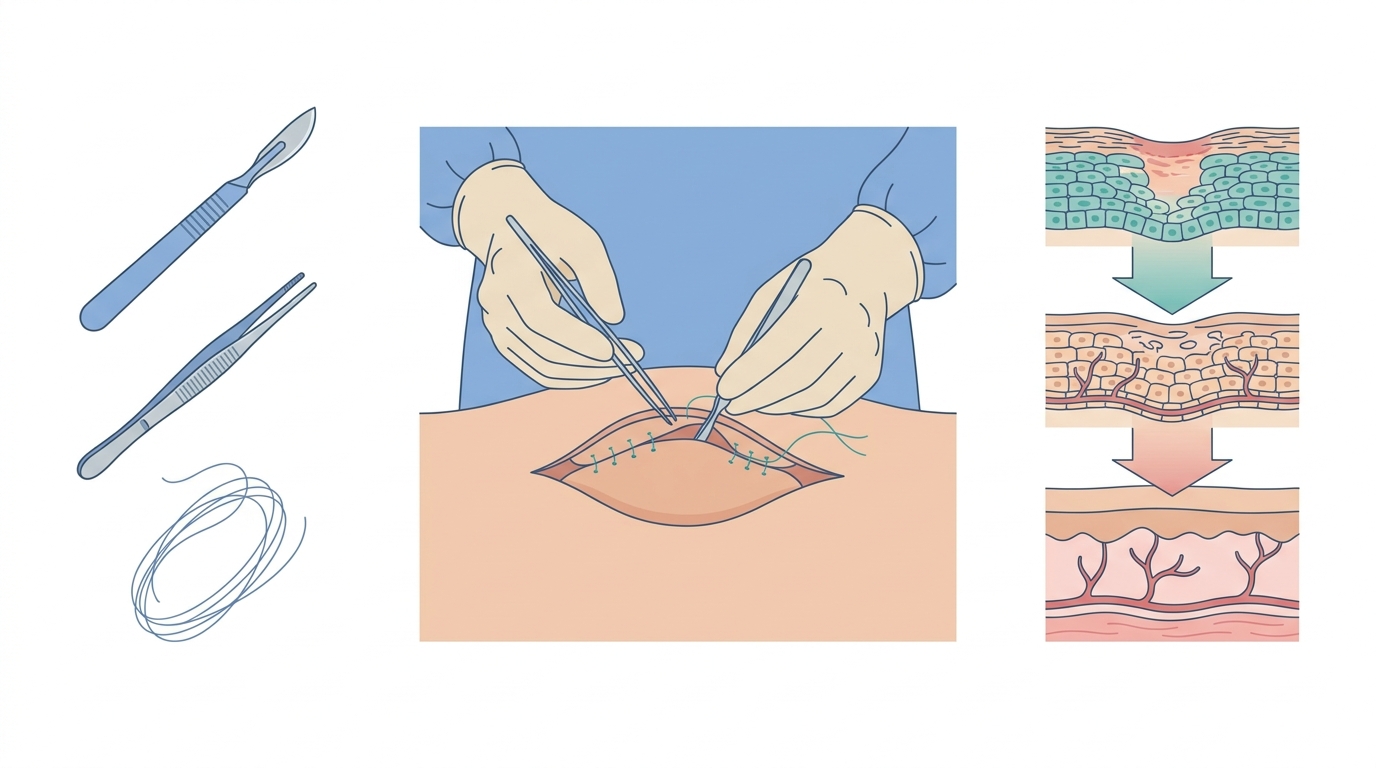
Who is this plastic surgeon? What does he do?
Simply put, a plastic surgeon is a doctor who specializes in correcting injuries or congenital defects that affect the appearance or function of our bodies. They use both reconstructive and cosmetic procedures. Imagine, these doctors can restore body parts damaged by a serious illness like cancer, or help someone look better.
The most important thing is that a plastic surgeon is someone who not only makes you beautiful, but also helps bring new hope to your life.
What parts of the body does he specialize in?
A plastic surgeon's expertise extends to many areas of the body, including:
- Breast and chest area.
- Extremities, such as arms, legs, palms, and soles .
- External genitalia , such as the penis, testicles, and vagina.
- Parts of the face , for example, the mouth, face, ears, head, and neck.
- Skin .
What conditions does a plastic surgeon repair?
Okay, now let's look at what situations require the help of a plastic surgeon. This can be divided into several parts.
Birth Defects
Sometimes our little ones come into this world with small differences. Often, a plastic surgeon can fix them.
- Cleft lip and palate: You've probably seen or heard of this. A baby is born with a small cleft in the upper lip or inside the mouth, or in the upper palate .
- Congenital hand differences: Some babies may be born with certain differences in the fingers of their hands.
- Craniosynostosis: The bones that make up the baby's skull fuse together before the baby's brain develops.
- Hypospadias: A condition in which the opening through which urine exits the penis in boys is located below the glans penis instead of at the tip.
- Microtia (complete or underdevelopment of the earlobe): Failure of one or both earlobes to develop properly.
- Syndactyly: Two or more fingers or toes are born with the skin fused together.
In situations like this, a plastic surgeon can perform surgery and help the child live a normal life.
Damage caused by accidents (Trauma)
Life is full of unexpected things. Some accidents can cause serious damage to our bodies. Even then, the help of a plastic surgeon is invaluable.
- Burns: This is something that many people have experienced. Plastic surgeons treat everything from minor burns to major, life-threatening burns.
- Complex wounds: Large wounds that are difficult to heal.
- Cuts to sensitive tissues: Injuries to very delicate areas such as the hands, feet, lips, eyelids, nose, genitals, or nerves.
- Facial fractures: Facial bones can be broken from things like fights, falls, and accidents.
- Scars that interfere with movement: Some large scars can make it impossible to move a limb properly. Such scars can also be corrected.
Cancer Reconstruction
Fighting cancer is not easy. Sometimes, during surgery to treat cancer, parts of the body have to be removed. When that happens, it can have a huge psychological impact on the person. In such cases, a plastic surgeon can reconstruct the removed part as much as possible.
- Head and neck cancer
- Breast cancer: Many women undergo breast reconstruction after having their breasts removed for this reason.
- Colorectal cancer
- Gynecologic cancer
- Skin cancer
- Testicular cancer
- Vaginal cancer
How do you learn to become a plastic surgeon?
Becoming a plastic surgeon is not an easy journey. It requires great dedication and long-term education.
First, you need to complete either a Doctor of Medicine (MD) or a Doctor of Osteopathy (DO). Osteopathic doctors treat patients in a holistic manner, taking into account the mind, body, and spirit.
Then, they have to complete a six-year plastic surgery residency. During this time, they learn general surgery and plastic surgery techniques. Another option is to complete a five-year general surgery residency, then spend another three years specifically studying plastic surgery.
After completing this training, they can take a special exam and become ``board certified``.To become a plastic surgeon, they must continue to learn new things (Continuing Medical Education - CME) to maintain this certification.
What specialized training do plastic surgeons have?
After residency, a plastic surgeon can complete another year of specialized training (a `fellowship`) to become a super-specialist in a particular area. Such areas include:
- Body contouring
- Microsurgery: Surgery performed on very small things like blood vessels and nerves using a microscope.
- Craniofacial or craniomaxillofacial surgery
- Cosmetic surgery
- Hand surgery
- Burn surgery
Are a plastic surgeon and a cosmetic surgeon two different people? Or are they the same person?
This is something that confuses many people. Cosmetic surgery and reconstructive surgery are two parts of the same larger field called plastic surgery.
Simply put, a reconstructive plastic surgeon helps people whose body's appearance, shape, or function has been affected by a medical condition (such as birth defects, an accident, or cancer).
A cosmetic plastic surgeon helps people who want to enhance or improve their appearance, rather than for medical reasons.
Every plastic surgeon also learns about cosmetic surgery during their training. However, some doctors only want to do cosmetic surgery, so they receive additional specialized training in that area.
But here's an important thing to note. Some health care providers may be certified only in cosmetic surgery. However, they may not have received formal training in plastic surgery, and they may not be certified by a recognized organization like the American Board of Plastic Surgery I mentioned earlier. Therefore, if you are considering surgery, it is very important to thoroughly research the qualifications of the doctor.
What do plastic surgeons do? What techniques do they use?
Plastic surgeons use a variety of techniques to heal serious injuries, improve body function, and restore a natural appearance. Let's take a look at a few of them.
- Microsurgery: This involves using a microscope to perform very small, delicate surgeries. For example, if you need to reconnect a very small blood vessel or nerve that has been severed, this method is used.
- Prosthesis preparation:This is the process of preparing the area before a prosthesis is implanted in the missing part of the body. Sometimes, a donated part or a synthetic part is used. This is often used in breast reconstruction (breast implants).
- Skin grafts: You've probably heard of this. Imagine you have a large wound somewhere on your body, perhaps a burn. Then, doctors take a small piece of skin from another healthy part of your body, perhaps your thigh, and graft it onto the wound. Over time, the new skin graft will connect with the blood vessels there and the wound will heal.
- Flaps: This involves taking skin, fat, and sometimes tissue from another part of the person's body and transferring it to that area, either after removing a tumor or to cover a large wound caused by an accident.
- Free flap surgery (`Free tissue transfer`): This is similar to a flap, but here the area of skin, fat, and/or tissue is completely separated from its original blood supply, taken to another part of the body, and connected to the blood vessels at the new site.
- Tissue expansion: This is a very interesting procedure. Imagine a balloon-like device placed under your skin, filled with saline, and slowly stretched. Then, in a second surgery, the balloon is removed and the stretched skin is used to close a large incision. This procedure is also used in breast reconstruction.
- Complex wound care: This is important for people with large, difficult-to-heal wounds. Plastic surgeons can use various methods to close the wound with minimal scarring. They use things like microsurgery and skin grafts.
What cosmetic procedures do plastic surgeons perform?
Here are some of the cosmetic surgeries that plastic surgeons learn during their medical training:
- Facelift: Tightens facial skin that sags with age, giving a youthful appearance.
- Brow lift: This procedure reduces wrinkles on the forehead and sagging eyebrows, and raises the brow.
- Eyelid surgery (`Blepharoplasty`): Excess skin, flesh, and fat in the eyelids are removed.
- Rhinoplasty: The nose is reshaped, either to improve its appearance or for medical reasons.
- Hair transplant: Hair is taken from other parts of the body and transplanted into bald areas on the scalp.
- Injectables: Products like Botox® or Juvaderm® are injected into the face to reduce wrinkles.
- Lasers:Lasers are used to remove the top layer of skin (`peels`), remove unwanted hair, and treat small blood vessels that look like spider veins.
- Liposuction: Liposuction removes fat from areas that cannot be reduced despite exercise and diet.
- Breast augmentation: Helps increase the size and shape of the breasts.
- Breast reduction: For those who are uncomfortable with large breasts, the breasts are reduced by removing fat, skin, and other tissue.
- Breast lift: Sagging breasts are lifted and reshaped to give them a more youthful appearance.
- Body contouring: Shaping various parts of the body and tightening sagging skin.
- Tummy tuck: Removes excess fat and skin from the abdomen.
- Arm lift: Tightens sagging skin on the arms.
- Thigh lift: Gives the thighs a youthful appearance.
- Buttock lifts (`Body lifts`): Tightens sagging skin in the buttock area.
- "Mommy makeovers": A collection of surgeries that help you regain the appearance of your body before giving birth.
What happens when you first meet a plastic surgeon?
If you want to see a plastic surgeon, the first thing you need to do is find a doctor you can trust and who you can talk to . Your initial visit is the best time to get to know the doctor and discuss your surgical options. The doctor will ask about your medical history and do a physical exam to determine what is right for you.
To get the most out of this meeting, consider these things:
- Ask questions about the doctor's experience with the surgeries he is suggesting to you.
- Learn about the risks, benefits, and what to expect after surgery for each option.
- Bring files, notes, and reports from your previous doctors. This will make it easier for the plastic surgeon to plan the treatment that best suits you.
- Be aware of your medical history, other illnesses you have, and the medications you are taking .
- Think carefully about what you expect from the surgery and tell the doctor clearly.
It matters to you (Take-Home Message)
A plastic surgeon is a specialist who performs various surgeries to restore body function and improve appearance. You can seek help from him if you have a serious illness or injury. You can also find a plastic surgeon to beautify facial features or certain parts of the body.
Remember, plastic surgeons are highly trained, so you have a wide range of treatment options to choose from. The most important thing is to find a doctor you trust and who is qualified. When you first meet with your doctor, ask them all your questions and choose the best doctor and treatment plan for your needs. Then you can go into your treatment with peace of mind.
` Plastic surgery, cosmetic surgery, reconstructive surgery, plastic surgeon, skin grafting, cancer reconstruction, birth defects
ukat juk’ampinaka Doctoran qillqatapa
ukat juk’ampinaka Cirujano plástico ukax mä qullawa, jupax cirugía estética ukat cirugía reconstructiva ukanak lurañatakiw yatxatatäna, ukhamat cuerpon tejidos ukanakax chhaqhata, yurïwipat jan walt’awinaka, phichhantat, accidentes jan ukax cáncer usut operación ukanakat chhaqhata. Walja jaqenakajj cirugía plástica lurañajj anqäjj uñnaqap mayjtʼayañakiw sasin amuyapkchejja, cuerpon mä jan sum irnaqtʼir mä órgano wasitat lurañawa.
❓ ukat juk’ampinaka Mä qawqha juk’amp jiskt’äwinakampiw jikisipxasma (FAQ) .
ukat juk’ampinaka ¿Kunatsa cirugía reconstructiva ukat cirugía cosmética ukanakax mayj mayjäpxi?▼
ukat juk’ampinaka Cirugía reconstructiva ukax accidentes jan ukax defectos ukanakat jan walt’awinak askichi ukat función ukaw utjaraki, ukampirus cirugía estética ukax normal uñnaqa juk’amp uñstayañ amtampiw lurasi.
ukat juk’ampinaka ¿Kunsa janïr cirugía plástica lurañ qalltkasajj amuytʼasiñasa?▼
ukat juk’ampinaka Mä especialista registrado calificado ukar ajlliña, cirugía ukan jan walt’awinakapata ukhamaraki kuna pachas waliptañapataki.
¿Operacion plástica lurasajj cicatrices ukanakajj qʼal chhaqtayasispati?▼
ukat juk’ampinaka Jichha pacha técnicas ukanakax incisión quirúrgica ukan cicatrices ukanakar jisk’achañatakix apnaqatäkchisa, janiw sapa kutix cuerpot cicatrices ukanakax taqpach apsuñjamäkiti.


💬 Comments (0)
No comments have been posted yet. Add your comment here for the first time.
Add your comment