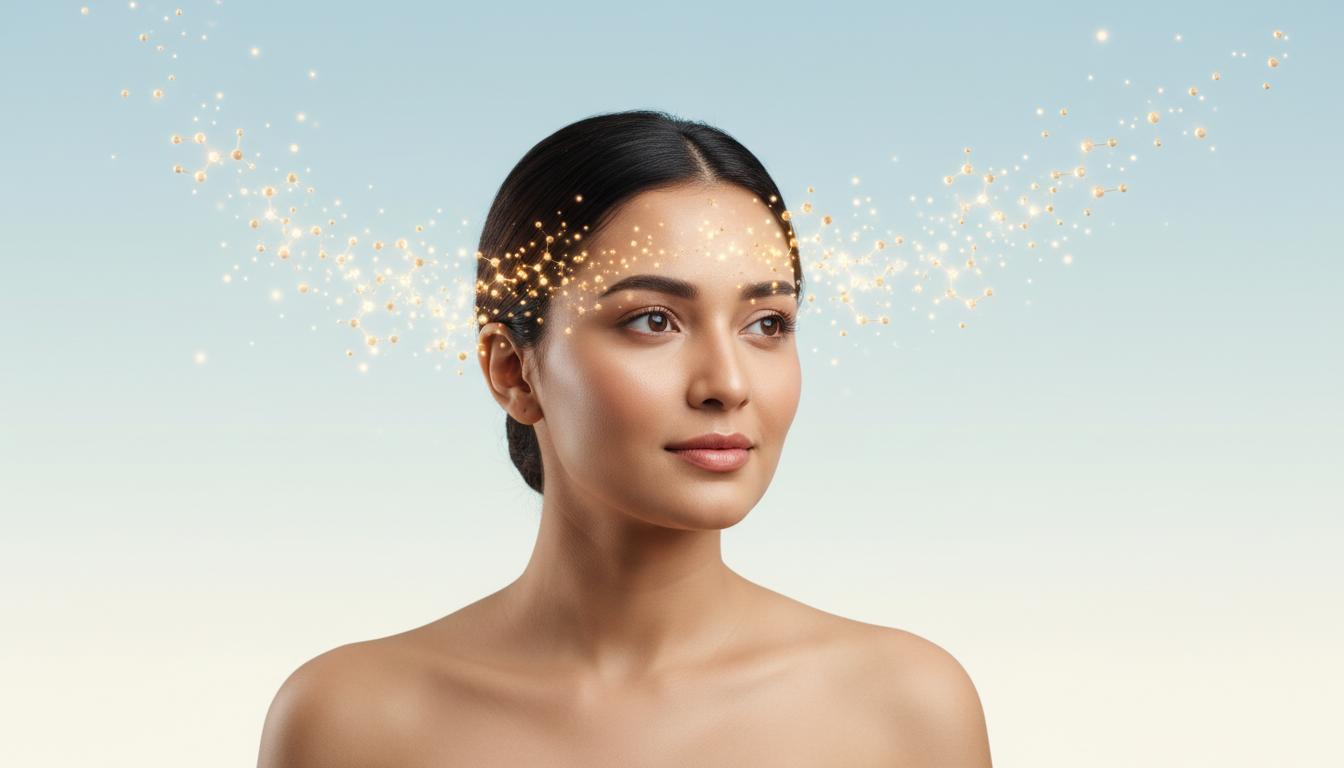
Do you ever find yourself feeling unexpectedly sad or anxious? Are you struggling with sleep, or have you noticed a loss of appetite? These symptoms might be linked to a tiny chemical messenger in your body. Today, let’s talk about that important messenger: Serotonin.
What is Serotonin?
Let's start by defining exactly what serotonin is. Simply put, it is an essential chemical substance in your body. It acts as a neurotransmitter—a chemical messenger that carries signals between nerve cells. It is also known as 5-hydroxytryptamine (5-HT) and can function as a hormone.
Think of it this way: your brain (the Central Nervous System) and the rest of your body (the Peripheral Nervous System) constantly need to exchange information. Serotonin facilitates this communication, telling your body how to function.
Remarkably, about 90% of your body’s serotonin is found in your gut (the digestive system). From there, it enters the bloodstream and is absorbed by platelets. Only about 10% is produced in the brain.
Serotonin is synthesized from tryptophan, an essential amino acid. Because it is “essential,” your body cannot produce it on its own; you must obtain it through the foods you eat.
What does serotonin do in our body?
Now that you understand what it is, let's look at the vital roles this messenger plays. Serotonin is involved in many different bodily functions.
Influence on Mood
When discussing serotonin, this is the primary function most people recognize: it plays a major role in regulating your mood. Many often refer to it as the body’s "feel-good hormone." When your serotonin levels are balanced, you likely experience a sense of calm, happiness, emotional stability, and an improved ability to focus. Conversely, when serotonin levels drop, it can lead to mental health challenges such as depression and anxiety. In fact, many medications prescribed for these conditions work specifically by increasing serotonin levels in the brain.
Assisting Digestion
As mentioned earlier, the majority of your body's serotonin is located in your gut. Because of this, it plays a vital role in regulating the digestive process and protecting the intestines. If you consume something that does not agree with you or contains toxins, your gut can increase serotonin release to help move those substances through your system quickly. Furthermore, serotonin plays a small but significant role in suppressing your appetite while you eat.
Relation to Nausea
Have you ever experienced nausea? Serotonin is linked to this sensation as well. Nausea occurs when serotonin is released in the gut faster than it can be digested. When this chemical signal reaches the brain, it is perceived as nausea. Many medications used to manage nausea and vomiting target specific serotonin receptors in the brain.
Impact on Sleep
Quality sleep is essential for a healthy life. Your sleep quality—including how well and how long you sleep—depends on the interaction between serotonin and dopamine (another neurotransmitter). Moreover, your brain requires serotonin to produce melatonin, the hormone responsible for regulating your sleep-wake cycle.
Wound Healing
When you suffer a minor injury, bleeding eventually stops. Serotonin assists in this process as well. The platelets in your blood release serotonin to aid in healing. It also helps constrict tiny blood vessels (arterioles), which slows blood flow and promotes clotting—an essential process for wound recovery.
Bone Health
Serotonin levels can also influence the strength of your bones. However, there is a caveat: research suggests that excessively high levels of serotonin in the gut may be linked to weakened bones, an increased risk of fractures, and conditions like osteoporosis. Balance is, therefore, key.
Sexual Health
Sexual desire is influenced by the interaction between serotonin and dopamine. These are highly complex processes, and they are deeply interconnected.
What happens if serotonin levels are low?
Now that you understand how critical serotonin is, consider the potential issues caused by a deficiency. Low serotonin is associated with various health conditions, including:
- Depression and other mood disorders
- Anxiety
- Sleep problems
- Digestive issues
- Suicidal thoughts or behaviors
- Obsessive-Compulsive Disorder (OCD)
- Post-Traumatic Stress Disorder (PTSD)
- Panic disorders
- Schizophrenia
- Phobias
Keep in mind that scientists are still learning how serotonin influences these conditions. While a significant link exists, it is not always accurate to say that these issues are caused solely by low serotonin.
What causes low serotonin levels?
Low serotonin is rarely caused by a single factor. Usually, it is a combination of issues. Technically, low levels occur due to:
- Your body not producing enough serotonin.
- Your body not utilizing serotonin effectively. This can occur if you do not have enough serotonin receptors or if your existing receptors are not functioning properly.
How to increase serotonin levels?
If you are concerned about low serotonin, there are several approaches you can discuss with your healthcare provider.
Foods containing Tryptophan
As previously mentioned, serotonin is synthesized from the amino acid tryptophan. Consuming foods rich in tryptophan may help boost your levels. These include:
- Salmon
- Eggs
- Cheese
- Turkey
- Tofu
- Pineapple
- Nuts, oats, and seeds
However, simply eating these foods does not guarantee an increase in serotonin. The process is complex: your body requires carbohydrates to release insulin, which helps absorb amino acids. Furthermore, even if tryptophan reaches the blood, it must compete with other amino acids to cross into the brain. Researchers are still studying the exact efficacy of dietary tryptophan on brain serotonin levels.
Sunlight
Have you noticed that your mood often dips during seasons with less sunlight? This is known as Seasonal Affective Disorder (SAD). Lack of adequate sun exposure can be a contributing factor. Aim for 10–15 minutes of sun exposure daily, which helps boost both serotonin and vitamin D. If you live in an area with limited sunlight, you might discuss light therapy with a professional.
Supplements
Certain dietary and herbal supplements are sometimes suggested to support serotonin levels, including:
- Dietary supplements: Tryptophan, probiotics, and SAMe.
- Herbal supplements: Ginseng, St. John’s wort, Syrian rue, and Nutmeg.
However, before using any such supplements, it is essential that you consult your doctor. These products are not suitable for everyone and may cause side effects.
Exercise and Mental Well-being
It is well-established that regular exercise boosts serotonin levels. Engaging in aerobic exercise for 30 minutes, five days a week, alongside two days of strength-training, is highly beneficial for improving your mood and supporting heart health. Additionally, reducing mental stress helps keep your serotonin levels balanced. Practices such as meditation and yoga can be very effective for this.
Medications That Increase Serotonin Levels
Because serotonin is involved in many health conditions, the pharmaceutical industry develops medications that target serotonin or serotonin receptors. Here are some of the primary medications that increase serotonin levels:
Various types of antidepressants work by preventing the reabsorption and recycling of serotonin, which keeps more serotonin available in your brain. Medications that function this way include:
- Selective Serotonin Reuptake Inhibitors (SSRIs) (e.g., Paroxetine [Paxil®])
- Serotonin-Norepinephrine Reuptake Inhibitors (SNRIs) (e.g., Venlafaxine [Effexor®])
- Tricyclic Antidepressants (TCAs) (e.g., Amitriptyline [Elavil®])
Another class of antidepressants is Monoamine Oxidase Inhibitors (MAOIs) (e.g., Phenelzine [Nardil®]). These work by blocking the enzyme that breaks down serotonin.
In addition to these, many other medications for various health conditions can also raise serotonin levels. Examples include Triptans for migraines, certain opioid pain relievers, cough medicines containing dextromethorphan, and some anti-nausea drugs.
Most importantly, never start using, change the dosage of, or stop any of these medications without professional medical advice. Doing so can lead to serious health consequences.
Risks of Excess Serotonin
Just as low serotonin can cause issues, an excessively high level of serotonin can also lead to problems. This is known as Serotonin Syndrome. This usually occurs if you increase the dose of a serotonin-boosting medication or take multiple medications that increase serotonin simultaneously.
Early symptoms may include:
- Tremors
- Excessive sweating
- Confusion
- Restlessness
- High blood pressure
- Muscle twitching
- Diarrhea
If the condition progresses, severe symptoms such as high fever, seizures, loss of consciousness, and irregular heartbeat can occur.
Serotonin Syndrome is a dangerous condition. If it is severe, failure to identify and treat it promptly can be life-threatening. Therefore, it is important to be aware of this risk when starting any new medication, especially one that affects serotonin.
What is the Difference Between Serotonin and Dopamine?
When discussing serotonin, you may have also heard of Dopamine, which is another neurotransmitter. Both are chemical messengers that transmit signals between nerve cells. They are often referred to as 'happy hormones' because both are linked to your mood and sense of well-being.
- Serotonin is associated with happiness, focus, and calmness.
- Dopamine is associated with reward and motivation.
Both are involved in mental health conditions such as depression.
However, they do have differences. Dopamine controls your body movements and coordination. Serotonin helps regulate digestion, gut function, and appetite. While dopamine may drive hunger, serotonin helps reduce that feeling. Dopamine is primarily concentrated in the brain, whereas the majority of the body's serotonin is found in the gut.
Sometimes these neurotransmitters work together to maintain your body’s chemical balance. At other times, an imbalance in one can lead to fluctuations in the production of the other. If either of these becomes too high or too low, it can lead to physical and mental health symptoms.
In Conclusion, Remember This
We have covered a lot about Serotonin today! It should now be clear to you that serotonin plays a crucial role in vital bodily functions, including your mood, sleep, appetite, anxiety, digestion, blood clotting, and sexual desire.
If you have a health condition that involves or is affected by serotonin, it is very important to discuss this with your doctor and get all your questions answered.
Furthermore, to prevent fluctuations in your serotonin levels and minimize issues from drug interactions, do not stop taking your prescribed medications, change your dosage, or begin any new food or herbal supplements without consulting your doctor first. Always follow medical advice. This is the best way for you to stay healthy and happy with Nirogi Lanka!
👩🏽⚕️ Frequently Asked Questions (FAQs)
💬 Is serotonin truly the 'happiness hormone'?
Yes! It is a remarkable neurotransmitter that plays a crucial role in regulating your mood. When you feel happy, calm, and optimistic, it is largely due to serotonin. Interestingly, about 90% of your body's serotonin is produced in your gut, not your brain! This is why digestive issues can often leave you feeling irritable or emotionally unbalanced.
💬 What mental health issues are associated with low serotonin levels?
When serotonin levels drop, it can significantly impact your mental well-being. Deficiencies are often linked to persistent depression, overwhelming anxiety and panic attacks, insomnia, and in severe cases, suicidal thoughts. It is also a key factor in Obsessive-Compulsive Disorder (OCD). If you or a loved one are in immediate distress, please contact emergency services (911) or visit your nearest hospital emergency department immediately.
💬 Can medications help raise serotonin to treat depression?
Yes. SSRIs (Selective Serotonin Reuptake Inhibitors), such as fluoxetine, are among the most effective treatments for depression. They work by preventing the brain from reabsorbing serotonin too quickly, which helps stabilize your mood. Beyond medication, Nirogi Lanka recommends healthy lifestyle habits: spending time in sunlight, regular exercise, and consuming foods rich in tryptophan—such as eggs and bananas—to naturally support your serotonin production.
Keywords: Serotonin, Mood, Depression, Anxiety, Sleep, Digestion, Tryptophan, Neurotransmitter, Happiness Hormone, Serotonin Syndrome