
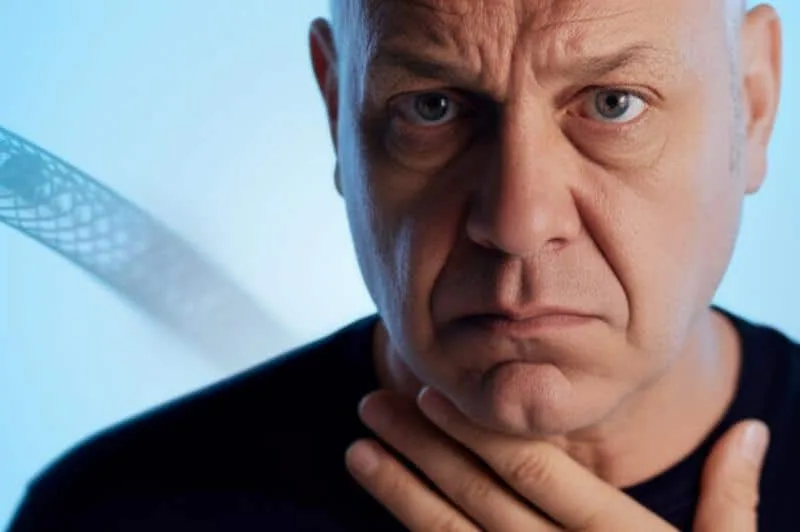
Atherosclerosis is a condition in which the arteries that carry blood to your heart gradually narrow and become blocked by fatty deposits. When this condition becomes severe, it can cause chest pain and difficulty breathing. In most cases, the first treatment for this condition is medication. But sometimes, medication alone cannot control the condition. In such cases, doctors decide to do something more, that is, a slightly more complex treatment. Today we will talk about two such main treatments.
First method: Angioplasty and Stenting
This is the most commonly used method. Simply put, it involves opening the blocked blood vessel from the inside. The way it is done is very interesting.
First, the doctor will do a special X-ray test called a ``Coronary Angiogram.`` This can see exactly where and how much of the blood vessels in the heart are blocked. Then, a very thin tube (catheter) is passed through a major blood vessel in the arm or leg to the blocked artery in the heart. This is done very delicately.
Next, a special liquid (dye) is injected through this tube. This liquid is clearly visible on the X-ray screen, so the exact location of the blockage can be seen. Now the real work begins.
A small balloon at the tip of the tube is inflated at the site of the blockage. This opens the narrowed, narrowed artery and allows blood flow to return to normal. Often, after the balloon is inflated and the artery is opened, a small mesh tube is inserted to keep the opening from closing again. That's what we call a ``stent.'' This stent is like a spring that is placed inside a pipe, helping to keep the artery open.
This method is used to relieve frequent chest pain (`Angina`) and to quickly open a blocked artery during a heart attack. It has a low risk of complications, and you can recover quickly and go home in as little as a day.
Second method: Coronary Bypass Surgery
This is a bit of a big operation. The word ``Bypass`` literally means "a road that goes around". Something similar happens here. Imagine there is a big traffic jam on a road, and there are no cars moving. Then what we do is build a new road, a side road, to bypass that traffic jam. That is exactly what happens in a bypass operation.
The surgeon takes a section of healthy blood vessel from your leg, arm, or chest wall.They take it. Then, they use that piece of tube to bypass the blocked artery in the heart and make the blood flow along a new path. That is, they connect this new tube above and below the blockage. Then the blood flows along this new "bypass path" instead of going through the blocked area.
Doctors call this ``Coronary Artery Bypass Grafting'' or ``CABG'' for short. Our people also call it ``cabbage surgery'' in their colloquial language.
Bypass surgery provides significant relief from chest pain. It can also help prolong the life of people with diabetes or those with severely blocked arteries.
But remember, this is a major surgery. As such, it can take weeks, even months, to recover. However, modern bypass surgeries that can be performed with smaller incisions are currently being researched.
Stent? Bypass? Which is better for you?
Now you may be wondering, "Is stenting or bypass surgery better for me?" There's no easy answer. That decision depends on many factors, including your condition, the number of blocked arteries, and their nature. Your doctor is the best person to make that decision. Let's compare the pros and cons of these two options.
| Consideration | Stenting | Bypass surgery (CABG) |
|---|---|---|
| Life expectancy when many ducts are blocked | There is little clear evidence that it increases lifespan. It is best used for symptom control. | Very good. It has been proven to extend the life of those with severely blocked arteries. |
| Chest pain (Angina) relief | It controls the pain very well, but the pain can recur over time. | It controls pain very well and can provide longer-term relief than stents. |
| In case of emergency (heart attack) | It is ideal. It can be done in a few minutes, so you can avoid the risks and recovery time of major surgery. | It is not usually used in an emergency. It requires more time and preparation. |
| Recovery time | It's a very short time. You can probably go home in a day or two. | It takes time. It can take anywhere from a few weeks to a few months to fully recover. |
Other methods of atherectomy
Very rarely, there are cases where other methods are used in addition to stents or bypasses. These involve removing the fatty layer (plaque) inside the artery.
- Rotational Atherectomy: A diamond-tipped instrument is rotated at high speed, pulverizing the hardened fatty layer.
- Directional Atherectomy: A rotating blade cuts the fatty layer, takes the pieces into a catheter, and removes them from the body.
While these methods sound good, they are not as effective as stents or bypasses. They are often used only to clear the artery a little before placing a stent.
What happens after treatment? Let's start life right again!
This is the most important thing. Remember, just because you have a stent or a bypass, it doesn't stop the process of atherosclerosis. It only removes the biggest blockage that's there. This can happen in other arteries as well.
Therefore, after a treatment like this, you need to be more careful than before. It is essential to change your lifestyle and use the medication exactly as prescribed by the doctor.
Must-have medicine
Often, after this type of treatment, the doctor will prescribe several medications for you to take daily.
- Statin-type medications: Reduce the level of bad cholesterol in the blood.
- Aspirin: Prevents blood clotting.
- Medications like Clopidogrel, Prasugrel, Ticagrelor: These are also medications that prevent blood clots. Especially for someone who has had a stent inserted, these medications may need to be taken for a period of one month to a year.
- Blood pressure medications: especially medications like `(Beta-blockers)` and `(ACE inhibitors)`.
Must-have habits
- Exercise: Exercise at least 30 minutes a day, at least five days a week. Even walking is good.
- Good diet: Eat at least 5 servings of fruits and vegetables a day. Reduce oil, salt, and sugar.
- Avoid smoking completely: This is the most important thing. If you smoke, none of these treatments will work properly.
After these treatments, you will feel like you have a new life. These habits will definitely help you live that life healthy and happy.
Take-Home Message
- Atherosclerosis is a long-term condition. Stent or bypass treatments only remove a serious blockage that has already occurred, but do not completely cure the disease.
- Your doctor will decide whether a stent or bypass is best for you, depending on factors such as your health condition, the number of blockages, and the urgency.
- After any treatment, it is essential to make changes to your lifestyle and take your prescribed medications exactly as prescribed to prevent future problems.
- If you have any concerns or doubts, always discuss them with your doctor , rather than making decisions on your own. Never stop or change medications without medical advice.


💬 Comments (0)
No comments have been posted yet. Add your comment here for the first time.
Add your comment