
What is Kabuki Syndrome? Let's talk about it simply.

What is Kabuki Syndrome? Let's talk about it simply.

Have you ever noticed that your child's facial features, especially the eyes and eyebrows, are a little unusual? Or have you noticed that your child has some developmental delays or muscle weakness? It's normal for parents to feel a little scared when they see things like this. Today we're going to talk about Kabuki Syndrome, a very rare genetic condition that shows these symptoms.

Why is it called 'Kabuki'? How was this discovered?

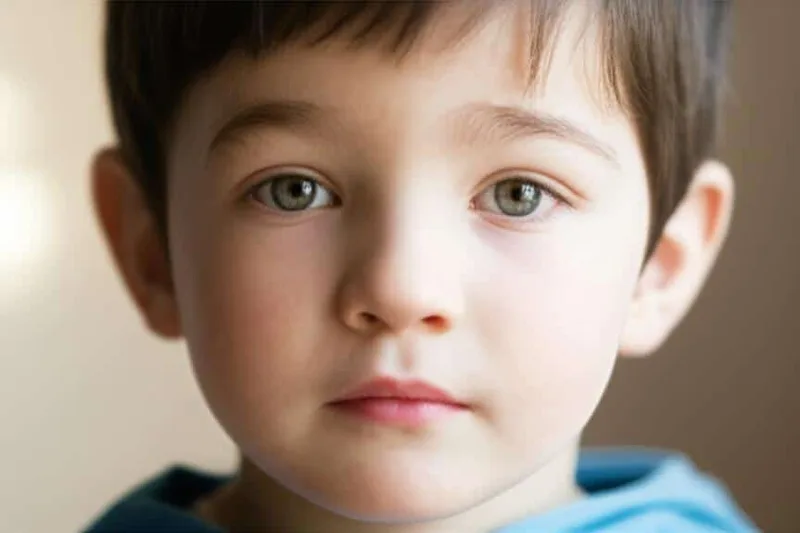
This story begins in Japan in the 1960s. Two teams of doctors there observed a group of children with strange symptoms, unrelated to each other. These children had a special look on their faces. Their eyebrows were curved upwards, their eyelashes were very thick, and their eyes were elongated .

Imagine, actors in traditional Japanese "kabuki" plays wear special makeup to accentuate these features. So, because of the similarity between the facial appearance of these children and the makeup of kabuki actors, one doctor named the condition "kabuki makeup syndrome." Later, it was shortened to "Kabuki Syndrome (KS).

At first, it was thought that this disease was limited to Japan. But later, children with this disease were found all over the world, among different ethnic groups. This is a very rare condition. Approximately one in 32,000 children born with this condition is affected.

What exactly is Kabuki Syndrome?

Simply put, Kabuki syndrome is a genetic condition . That is, it is caused by a change in the genes in our body. It is a condition that occurs at birth. Some symptoms can be seen immediately after birth. Others appear as the child grows older.

The important thing is that not all children with this disease will have the same set of symptoms. Each person may have a different combination of symptoms.

It can sometimes be difficult to accurately diagnose a rare disease like this, as many doctors may not have seen a patient like this in their career. Also, some of the symptoms are similar to those of other diseases, making diagnosis complicated.

What are the main symptoms of this disease?

In addition to the distinctive facial features we discussed earlier, there are a number of other characteristics that can be seen. Let's understand them clearly in a table.

Characteristic type Things to see
Face and head related
  • Upturned eyebrow
  • Thick, long eyelashes
  • Cupped ears
  • Flattening of the tip of the nose
  • Large gaps between teeth or missing teeth
  • Having a cleft palate
  • Having an abnormal head shape or a small head
Skeleton and muscles
  • Abnormalities such as a backache
  • Loose joints
  • Low muscle tone
  • Shortening of the fingers (especially the little finger)
  • Persistent finger pads: This is a very special feature. Normally, a baby has these pads on their fingertips while they are in the womb, but they disappear before birth. These children can still see them after birth.
  • Growth and body systems
  • Loss of height (may be due to growth hormone deficiency)
  • Heart defects
  • Abnormal shapes of the kidneys
  • Digestive system problems
  • Vision and hearing impairments
  • Are there differences in intelligence and behavior?

    Yes, many of these children may have mild to moderate intellectual disabilities . They may also have developmental delays such as talking and walking.

    Some behavioral patterns may resemble conditions such as autism or OCD (Obsessive-Compulsive Disorder). For example:

    • Constantly trying to put things in your mouth and chew them.
    • Overreaction to sounds or other stimuli.
    • Rejection of foods with certain tastes or textures.

    As the child gets older, they may show signs of conditions such as anxiety or depression.

    But these children also have special abilities. Parents often say that these children love music.They have an amazing ability to remember certain songs. Also, some have a special ability to remember faces and dates.

    What is the reason for this? Genetics...

    Scientists have so far identified two main genetic mutations that cause this disease.

    1. Mutation in the KMT2D gene: This is the cause of about 75% of people with Kabuki syndrome.

    2. Mutation in the KDM6A gene: About 9% of people who do not have the KMT2D mutation have this mutation.

    Most of the time, this genetic mutation is a new mutation that occurs in the child's body. That is, it is not inherited from either the mother or the father. However, very rarely, the child can inherit this condition from one of the parents.

    How is it treated?

    First of all, there is no cure for Kabuki syndrome . It is not a condition that will go away as the child grows up. However, early diagnosis and appropriate treatment and support can help the child live a much better life.

    Treatment options depend on the specific symptoms and problems the child has, and may require the assistance of a variety of specialists and therapists.

    Medical assistance that may be needed Therapy services that may be needed
    • Pediatricians
    • Surgeons
    • Cardiologists
    • Endocrinologists
    • Dental specialists
    • Speech and hearing specialists
  • Speech therapy
  • Physical therapy
  • Occupational therapy
  • Sensory integration therapy
  • When it comes to the life expectancy of these children, Kabuki syndrome itself does not shorten their lifespan. However, if there are serious associated conditions, such as heart disease or kidney problems, they can have a life-threatening impact. That is why constant medical monitoring is very important.

    School life and adulthood

    These children can go to school. However, they need a special education plan tailored to their needs. They may need the support of a special education teacher. Some children are also able to participate in sports.

    It is difficult to say exactly what their life will be like in adulthood, as the severity of symptoms varies from person to person. Some people who are well-functioning are able to live independently and even get married.

    Take-Home Message

    • Kabuki syndrome is a rare, congenital genetic condition. There is no need to be afraid of it, but it is important to be aware.
    • Distinctive facial features, muscle weakness, and developmental delay are the main symptoms.
    • Although this condition cannot be completely cured, early detection and provision of proper treatment and therapeutic services can greatly improve the child's quality of life.
    • Every child is different, so work closely with your doctor and other specialists to understand what support your child needs.
    • Even though these children have challenges, they can experience love, music, and so much more in life. The most important thing is to give them love and support.

    Kabuki Syndrome, Kabuki Syndrome Sinhala, Genetic Diseases, Children's Diseases, Developmental Delay, Rare Diseases, Child Health
    ⚠️ Important: The medical articles and information on Nirogi Lanka are for general awareness only, and are by no means a substitute for professional medical advice, diagnosis, or treatment. For any medical problem you have, consult a qualified physician immediately.

    💬 Comments (0)

    No comments have been posted yet. Add your comment here for the first time.

    Add your comment

    Please calculate: 1 + 9 =
    What is Kabuki Syndrome? Let's talk about it simply.
    How the Body WorksJuly 6, 2026

    What is Kabuki Syndrome? Let's talk about it simply.

    Have you ever noticed that your child's facial features, especially the eyes and eyebrows, are a little unusual? Or have you noticed that your child has some developmental delays or muscle weakness? It's normal for parents to feel a little scared when they see things like this. Today we're going to talk about Kabuki Syndrome, a very rare genetic condition that shows these symptoms.

    Why is it called 'Kabuki'? How was this discovered?

    This story begins in Japan in the 1960s. Two teams of doctors there observed a group of children with strange symptoms, unrelated to each other. These children had a special look on their faces. Their eyebrows were curved upwards, their eyelashes were very thick, and their eyes were elongated .

    Imagine, actors in traditional Japanese "kabuki" plays wear special makeup to accentuate these features. So, because of the similarity between the facial appearance of these children and the makeup of kabuki actors, one doctor named the condition "kabuki makeup syndrome." Later, it was shortened to "Kabuki Syndrome (KS).

    At first, it was thought that this disease was limited to Japan. But later, children with this disease were found all over the world, among different ethnic groups. This is a very rare condition. Approximately one in 32,000 children born with this condition is affected.

    What exactly is Kabuki Syndrome?

    Simply put, Kabuki syndrome is a genetic condition . That is, it is caused by a change in the genes in our body. It is a condition that occurs at birth. Some symptoms can be seen immediately after birth. Others appear as the child grows older.

    The important thing is that not all children with this disease will have the same set of symptoms. Each person may have a different combination of symptoms.

    It can sometimes be difficult to accurately diagnose a rare disease like this, as many doctors may not have seen a patient like this in their career. Also, some of the symptoms are similar to those of other diseases, making diagnosis complicated.

    What are the main symptoms of this disease?

    In addition to the distinctive facial features we discussed earlier, there are a number of other characteristics that can be seen. Let's understand them clearly in a table.

    Characteristic type Things to see
    Face and head related
    • Upturned eyebrow
    • Thick, long eyelashes
    • Cupped ears
    • Flattening of the tip of the nose
    • Large gaps between teeth or missing teeth
    • Having a cleft palate
    • Having an abnormal head shape or a small head
    Skeleton and muscles
  • Abnormalities such as a backache
  • Loose joints
  • Low muscle tone
  • Shortening of the fingers (especially the little finger)
  • Persistent finger pads: This is a very special feature. Normally, a baby has these pads on their fingertips while they are in the womb, but they disappear before birth. These children can still see them after birth.
  • Growth and body systems
  • Loss of height (may be due to growth hormone deficiency)
  • Heart defects
  • Abnormal shapes of the kidneys
  • Digestive system problems
  • Vision and hearing impairments
  • Are there differences in intelligence and behavior?

    Yes, many of these children may have mild to moderate intellectual disabilities . They may also have developmental delays such as talking and walking.

    Some behavioral patterns may resemble conditions such as autism or OCD (Obsessive-Compulsive Disorder). For example:

    • Constantly trying to put things in your mouth and chew them.
    • Overreaction to sounds or other stimuli.
    • Rejection of foods with certain tastes or textures.

    As the child gets older, they may show signs of conditions such as anxiety or depression.

    But these children also have special abilities. Parents often say that these children love music.They have an amazing ability to remember certain songs. Also, some have a special ability to remember faces and dates.

    What is the reason for this? Genetics...

    Scientists have so far identified two main genetic mutations that cause this disease.

    1. Mutation in the KMT2D gene: This is the cause of about 75% of people with Kabuki syndrome.

    2. Mutation in the KDM6A gene: About 9% of people who do not have the KMT2D mutation have this mutation.

    Most of the time, this genetic mutation is a new mutation that occurs in the child's body. That is, it is not inherited from either the mother or the father. However, very rarely, the child can inherit this condition from one of the parents.

    How is it treated?

    First of all, there is no cure for Kabuki syndrome . It is not a condition that will go away as the child grows up. However, early diagnosis and appropriate treatment and support can help the child live a much better life.

    Treatment options depend on the specific symptoms and problems the child has, and may require the assistance of a variety of specialists and therapists.

    Medical assistance that may be needed Therapy services that may be needed
    • Pediatricians
    • Surgeons
    • Cardiologists
    • Endocrinologists
    • Dental specialists
    • Speech and hearing specialists
  • Speech therapy
  • Physical therapy
  • Occupational therapy
  • Sensory integration therapy
  • When it comes to the life expectancy of these children, Kabuki syndrome itself does not shorten their lifespan. However, if there are serious associated conditions, such as heart disease or kidney problems, they can have a life-threatening impact. That is why constant medical monitoring is very important.

    School life and adulthood

    These children can go to school. However, they need a special education plan tailored to their needs. They may need the support of a special education teacher. Some children are also able to participate in sports.

    It is difficult to say exactly what their life will be like in adulthood, as the severity of symptoms varies from person to person. Some people who are well-functioning are able to live independently and even get married.

    Take-Home Message

    • Kabuki syndrome is a rare, congenital genetic condition. There is no need to be afraid of it, but it is important to be aware.
    • Distinctive facial features, muscle weakness, and developmental delay are the main symptoms.
    • Although this condition cannot be completely cured, early detection and provision of proper treatment and therapeutic services can greatly improve the child's quality of life.
    • Every child is different, so work closely with your doctor and other specialists to understand what support your child needs.
    • Even though these children have challenges, they can experience love, music, and so much more in life. The most important thing is to give them love and support.

    Kabuki Syndrome, Kabuki Syndrome Sinhala, Genetic Diseases, Children's Diseases, Developmental Delay, Rare Diseases, Child Health
    ⚠️ Important: The medical articles and information on Nirogi Lanka are for general awareness only, and are by no means a substitute for professional medical advice, diagnosis, or treatment. For any medical problem you have, consult a qualified physician immediately.

    💬 Comments (0)

    No comments have been posted yet. Add your comment here for the first time.

    Add your comment

    Please calculate: 1 + 9 =