Answers to your questions about the treatment of your diabetes (Type 2 Diabetes)

Answers to your questions about the treatment of your diabetes (Type 2 Diabetes)

When your doctor tells you that you have Type 2 Diabetes, it's normal for questions to come to mind. 'What should I do now?', 'Is this medication right for me?', 'What will happen next?' Things like this may come to mind. So, never hesitate to ask your doctor any questions you have about your treatment, medication, or lifestyle. Clarifying your concerns is a very important part of treatment. Today, we'll talk about common questions that many people have about diabetes and the simple answers to them.

Can this disease be completely cured?

The answer to this is a straightforward 'no'. But don't worry. Although type 2 diabetes cannot be cured completely, it can be managed, or brought into 'remission'. Simply put, by bringing your blood sugar levels back to normal, you can prevent many of the complications of diabetes. Your doctor may be able to reduce your medication or even stop it for a while.

The main thing for this is lifestyle changes.

  • Healthy diet: For this, you can talk to your doctor or a nutritionist and create a meal plan that suits you.
  • Exercise: Aim to do at least 30 minutes of moderate exercise on most days. If you can't do it right away, start small.
  • Weight loss: If you are overweight, it is very important to lose weight.

Sure, the medications your doctor prescribes are a big part of your treatment. But to live a healthy life, eating right and exercising should be at the top of your list. Also, getting enough sleep is important. If you sleep less than 7 hours a day, your blood sugar levels can become unbalanced.

What does the doctor look for when you go to the clinic?

When you go to a diabetes clinic, your doctor will perform several tests to monitor your condition. These tests will check whether your diabetes is well-controlled and whether other complications have developed.

What is being tested/what is being looked at? Why is that important?
A1c testThis is how you can know exactly how your blood sugar levels have been controlled over the past 2-3 months.
Blood Pressure Having high blood pressure along with diabetes increases the risk of serious illnesses like heart disease and stroke. Therefore, it is essential to control this value.
Cholesterol level Controlling blood pressure and cholesterol levels helps reduce the risk of heart disease.
Eye examination Diabetes can damage the eyes. This condition is called retinopathy . If detected early, vision loss can be prevented.
Foot examination Diabetes can damage the nerves in the feet and reduce sensation. As a result, even small wounds can go unnoticed, leading to foot ulcers that do not heal, infection, and sometimes even amputation.

Will I also have to take insulin?

People with Type 1 Diabetes definitely need to take insulin, but not everyone with Type 2 Diabetes needs insulin.

Your doctor will usually first try to control your blood sugar levels through diet, exercise, and weight control. If that doesn't work, oral medications will be started. Often, the first medication to start is a medication called metformin . This helps your body use the insulin it has more effectively. If these medications don't control your blood sugar levels, your doctor may decide to start you on other medications or insulin.

Remember, diabetes is a progressive disease. This means that even if you don't need insulin today, you may need it in the future. That's the nature of the disease.

How can I check my sugar level at home?

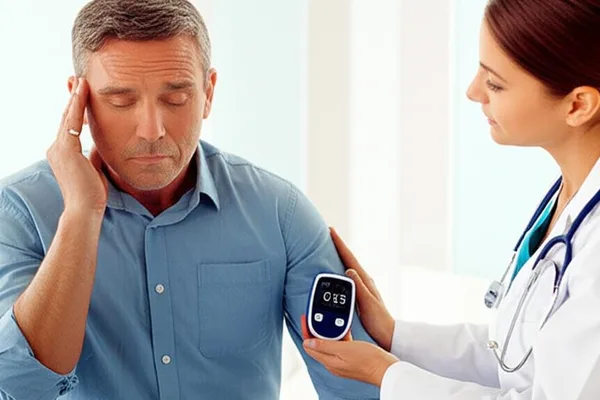
The most common way to do this is to use a blood glucose meter. All you have to do is prick your finger with a small needle, put a drop of blood on a test strip, and insert it into the meter. This will tell you the amount of sugar in your blood.

If you take insulin and are at risk for low blood sugar, especially at night, your doctor may recommend that you use a CGM (Continuous Glucose Monitoring) device. This involves attaching a sensor to your skin. It measures and records your blood sugar levels every few minutes throughout the day.

If I start taking insulin, will I have to take it for the rest of my life?

Not always. Sometimes insulin is given as a temporary solution. For example, if you are pregnant or hospitalized for another emergency, your doctor may start you on insulin temporarily. By some estimates, about 67% of people who take insulin for type 2 diabetes will never need to take it again.

Will my kidneys be damaged due to diabetes and will I need dialysis?

This is a big fear for many people. It's true that diabetes is a major risk factor for kidney disease. However, there are many things you can do to protect yourself.

Taking your medication properly and keeping your blood sugar and blood pressure under control is the most important thing. Even if you have early stage kidney disease, if you control your blood sugar and blood pressure well, you can reduce the further damage to your kidneys by about half. So, don't panic, and take control of your disease.

Take-Home Message

  • Although type 2 diabetes cannot be completely cured, it can be very well controlled through lifestyle changes (diet, exercise) and the need for medication can be reduced.
  • It is essential to see a doctor at the scheduled time and have your A1c, blood pressure, cholesterol levels, and eyes and feet checked.
  • Not everyone with type 2 diabetes needs insulin from the start. Often, people start with pills.
  • By keeping your blood sugar levels and blood pressure well controlled, you can prevent damage to organs like the kidneys, heart, and eyes.
  • Talk openly with your doctor about any questions or concerns you have about your treatment or medication.

Diabetes, Type 2 Diabetes, Insulin, Metformin, Sugar Levels, Kidney Disease, A1c Test
⚠️ Important: The medical articles and information on Nirogi Lanka are for general awareness only, and are by no means a substitute for professional medical advice, diagnosis, or treatment. For any medical problem you have, consult a qualified physician immediately.

💬 Comments (0)

No comments have been posted yet. Add your comment here for the first time.

Add your comment

Please calculate: 6 + 1 =
Answers to your questions about the treatment of your diabetes (Type 2 Diabetes)
MedicationsJuly 7, 2026

Answers to your questions about the treatment of your diabetes (Type 2 Diabetes)

When your doctor tells you that you have Type 2 Diabetes, it's normal for questions to come to mind. 'What should I do now?', 'Is this medication right for me?', 'What will happen next?' Things like this may come to mind. So, never hesitate to ask your doctor any questions you have about your treatment, medication, or lifestyle. Clarifying your concerns is a very important part of treatment. Today, we'll talk about common questions that many people have about diabetes and the simple answers to them.

Can this disease be completely cured?

The answer to this is a straightforward 'no'. But don't worry. Although type 2 diabetes cannot be cured completely, it can be managed, or brought into 'remission'. Simply put, by bringing your blood sugar levels back to normal, you can prevent many of the complications of diabetes. Your doctor may be able to reduce your medication or even stop it for a while.

The main thing for this is lifestyle changes.

  • Healthy diet: For this, you can talk to your doctor or a nutritionist and create a meal plan that suits you.
  • Exercise: Aim to do at least 30 minutes of moderate exercise on most days. If you can't do it right away, start small.
  • Weight loss: If you are overweight, it is very important to lose weight.

Sure, the medications your doctor prescribes are a big part of your treatment. But to live a healthy life, eating right and exercising should be at the top of your list. Also, getting enough sleep is important. If you sleep less than 7 hours a day, your blood sugar levels can become unbalanced.

What does the doctor look for when you go to the clinic?

When you go to a diabetes clinic, your doctor will perform several tests to monitor your condition. These tests will check whether your diabetes is well-controlled and whether other complications have developed.

What is being tested/what is being looked at? Why is that important?
A1c testThis is how you can know exactly how your blood sugar levels have been controlled over the past 2-3 months.
Blood Pressure Having high blood pressure along with diabetes increases the risk of serious illnesses like heart disease and stroke. Therefore, it is essential to control this value.
Cholesterol level Controlling blood pressure and cholesterol levels helps reduce the risk of heart disease.
Eye examination Diabetes can damage the eyes. This condition is called retinopathy . If detected early, vision loss can be prevented.
Foot examination Diabetes can damage the nerves in the feet and reduce sensation. As a result, even small wounds can go unnoticed, leading to foot ulcers that do not heal, infection, and sometimes even amputation.

Will I also have to take insulin?

People with Type 1 Diabetes definitely need to take insulin, but not everyone with Type 2 Diabetes needs insulin.

Your doctor will usually first try to control your blood sugar levels through diet, exercise, and weight control. If that doesn't work, oral medications will be started. Often, the first medication to start is a medication called metformin . This helps your body use the insulin it has more effectively. If these medications don't control your blood sugar levels, your doctor may decide to start you on other medications or insulin.

Remember, diabetes is a progressive disease. This means that even if you don't need insulin today, you may need it in the future. That's the nature of the disease.

How can I check my sugar level at home?

The most common way to do this is to use a blood glucose meter. All you have to do is prick your finger with a small needle, put a drop of blood on a test strip, and insert it into the meter. This will tell you the amount of sugar in your blood.

If you take insulin and are at risk for low blood sugar, especially at night, your doctor may recommend that you use a CGM (Continuous Glucose Monitoring) device. This involves attaching a sensor to your skin. It measures and records your blood sugar levels every few minutes throughout the day.

If I start taking insulin, will I have to take it for the rest of my life?

Not always. Sometimes insulin is given as a temporary solution. For example, if you are pregnant or hospitalized for another emergency, your doctor may start you on insulin temporarily. By some estimates, about 67% of people who take insulin for type 2 diabetes will never need to take it again.

Will my kidneys be damaged due to diabetes and will I need dialysis?

This is a big fear for many people. It's true that diabetes is a major risk factor for kidney disease. However, there are many things you can do to protect yourself.

Taking your medication properly and keeping your blood sugar and blood pressure under control is the most important thing. Even if you have early stage kidney disease, if you control your blood sugar and blood pressure well, you can reduce the further damage to your kidneys by about half. So, don't panic, and take control of your disease.

Take-Home Message

  • Although type 2 diabetes cannot be completely cured, it can be very well controlled through lifestyle changes (diet, exercise) and the need for medication can be reduced.
  • It is essential to see a doctor at the scheduled time and have your A1c, blood pressure, cholesterol levels, and eyes and feet checked.
  • Not everyone with type 2 diabetes needs insulin from the start. Often, people start with pills.
  • By keeping your blood sugar levels and blood pressure well controlled, you can prevent damage to organs like the kidneys, heart, and eyes.
  • Talk openly with your doctor about any questions or concerns you have about your treatment or medication.

Diabetes, Type 2 Diabetes, Insulin, Metformin, Sugar Levels, Kidney Disease, A1c Test
⚠️ Important: The medical articles and information on Nirogi Lanka are for general awareness only, and are by no means a substitute for professional medical advice, diagnosis, or treatment. For any medical problem you have, consult a qualified physician immediately.

💬 Comments (0)

No comments have been posted yet. Add your comment here for the first time.

Add your comment

Please calculate: 6 + 1 =