
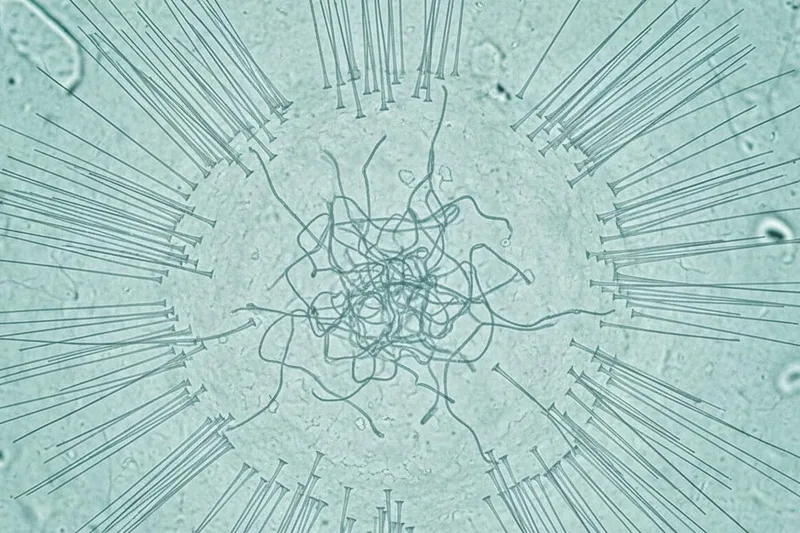
Are you aware of PCD? (Primary Ciliary Dyskinesia) Let's talk about this rare condition!

Are you aware of PCD? (Primary Ciliary Dyskinesia) Let's talk about this rare condition!

Have you ever heard of a condition called 'Primary Ciliary Dyskinesia' or `(Primary Ciliary Dyskinesia - PCD)`? Although the name may sound a bit strange, this is a rare, yet very important condition that affects our respiratory system as well as other body processes. It is often something that is present at birth. So, today we will talk about this PCD in a simple way that you can understand.

What is primary ciliary dyskinesia (PCD)?

Simply put, PCD is a condition that occurs when the tiny, hair-like structures in our body called cilia do not function properly . These cilia are so small that they are invisible to our eyes. Imagine that these cilia act like tiny brooms in our respiratory tract, that is, in places like the nose, throat, and lungs.

So what do these cilia do?

These tiny, hair-like structures called cilia are not only found in our respiratory system, but also in some other places. Their main job is to sweep out unwanted substances like germs and dust that enter our body, as well as mucus that builds up in the body . They do this by moving like a wave. Not only that, when a baby is developing in the womb, these cilia also help the baby's organs to be in the right places.

So, what happens to someone with PCD is that these cilia don't work properly. That means:

  • Maybe this cilia size is wrong .
  • Their shape may be unusual .
  • Maybe the cilia will disappear .
  • Or, they can move around like crazy, without any connection to each other .
  • Or it may not move at all .

How do we get sick from cilia that don't work properly?

When these cilia don't work properly, a variety of health problems can occur. Some begin at birth, while others may appear later in life.

  • Abnormal organ position: Imagine, organs like our heart, lungs, spleen, etc. are located on the other side instead of the right. Sometimes, what should be on the right side can be on the left. We call this ``Situs Inversus`` . Sometimes, the organs can be turned completely in the wrong direction. This can also happen if those cilia are not working properly.
  • Chronic, severe respiratory disease: This is the main problem of PCD. When the cilia are unable to expel mucus, the mucus accumulates in the lungs and airways. This leads to frequent coughing, chest congestion, and severe infections . This can also damage the lungs.
  • Fertility issues: Men with PCD often have difficulty fathering children, meaning they may become infertile . Women can also have serious complications during pregnancy, such as ectopic pregnancy (where the embryo implants outside the uterus).It is possible.

What causes PCD?

This is a genetic condition. That is, it is caused by certain changes or mutations in the genes that are passed down from parent to child. There are several types of genetic mutations that cause this disease.

What are the symptoms of primary ciliary dyskinesia?

Symptoms are often visible at birth, and they may gradually increase over time.

Symptoms of PCD that can be seen at birth:

  • Respiratory distress : The baby may have difficulty breathing immediately after birth.
  • Nasal congestion : Your nose may feel constantly blocked.
  • Persistent wet cough : A cough that produces mucus may persist.
  • Abnormal position of organs (heterotaxia) : As mentioned earlier, organs may be in the wrong place, some organs may be missing, or they may not develop properly. Situs inversus is another such condition.
  • Sometimes congenital heart disease .
  • Loss of lung inflation (atelectasis) .
  • Cyst-like growths in organs such as the kidneys and pancreas.
  • Antibody deficiency (humoral (antibody) deficiency), which can lead to increased risk of lung and sinus infections.

Persistent PCD symptoms:

Over time, you may notice symptoms like these:

  • Chronic cough : A persistent cough.
  • Chronic sinusitis : Frequent sinus problems.
  • Ear infections : Frequent ear infections, fluid draining from the ears.
  • Excess mucus and phlegm .
  • Infertility (especially for men).
  • Nasal polyps .
  • Frequent occurrence of severe pneumonia .
  • Frequent upper respiratory infections .
  • Sometimes there is a buildup of water on the brain (hydrocephalus).

How is primary ciliary dyskinesia (PCD) diagnosed?

Actually, diagnosing this is a bit complicated. It's not possible to say for sure with just one test that it's PCD. Doctors come to a conclusion about this after doing several different tests.

  • Medical examination and medical history: First, the doctor will ask you about your symptoms and whether anyone in your family has had similar conditions.
  • Cilia biopsy: A small piece of tissue is taken from the nose or lungs and examined under a microscope. This allows us to see the shape, size, and movement of the cilia.
  • Genetic testing:This test looks for genetic mutations associated with PCD. However, it may not be possible to find these genetic mutations in everyone with PCD.

In addition to this, other tests can be done if PCD is suspected:

  • Exhaled nasal nitric oxide measurement: A special device measures the level of a gas called nitric oxide in the air we exhale. People with PCD have abnormally low levels of this gas.
  • Pulmonary function tests: These tests check how well your lungs are working and whether you have any difficulty breathing.
  • Video microscopy: A sample of cilia is taken and viewed through a microscope equipped with a high-powered video camera. This allows the cilia to be observed in slow-motion, allowing for precise study of their function.

How is primary ciliary dyskinesia (PCD) treated?

Unfortunately, there is no cure for PCD yet . However, there are many treatments that can help control the disease, reduce symptoms, and make life a little easier.

The main goal is to remove mucus and fluid that accumulates in the lungs . This is done by doing things like:

  • Airway clearance: A special machine helps loosen and remove mucus. There are also special coughing techniques that help clear mucus.
  • Chest physical therapy: Some people use a vest-like device that gently taps the chest. This helps loosen the mucus and help it come out.
  • Ear tubes: If you have frequent ear infections, small tubes may be inserted into the eardrum to drain fluid that accumulates in the middle ear.

In addition, medications such as these are given to control infections and inflammation:

  • Antibiotics: These are given to control bacterial infections in the body. In some severe cases, antibiotics may need to be given intravenously.
  • Azithromycin: This is a medication that helps reduce inflammation in the lungs, and is sometimes taken daily.
  • Bronchodilators: Medicines like albuterol. These make the airways slightly wider, making it easier to breathe.
  • Corticosteroids: These control chemical reactions in the body and reduce inflammation.
  • Mucus thinners: These inhaled medications help thin the mucus in the airways and make it easier to expel.

Will I need more PCD treatment?

Sometimes, as mentioned above, if organs are in the wrong places, surgery may be needed to correct them.. These surgeries can be performed right after the baby is born. Also, further surgeries may be needed later in life to prevent or treat complications that may arise.

Can primary ciliary dyskinesia (PCD) be prevented?

Since this is a genetic condition, there is really nothing we can do to prevent it . However, if a close family member has PCD and you are thinking about starting a family, it is a good idea to consider genetic testing and genetic counseling . These services can help you find out how likely you or your child are to develop the condition.

What is the life expectancy of people with PCD?

Most people live long lives, usually into old age . The most important thing is to get proper treatment and take care of yourself.

What is the prognosis for people with PCD?

This really varies from person to person . Some people are sick from the day they are born and may remain that way throughout their lives. Others may be in good health during their free time and then become seriously ill at times. Therefore, it is very important to talk to your doctor about your condition and follow his or her advice.

What are the possible complications of PCD?

Because infections occur frequently, they can damage the tissues of organs, cause scarring, and lead to a variety of complications. For example:

  • Hearing loss .
  • Dilation and damage to the airways (bronchiectasis) : This can cause further damage to the lungs.
  • Respiratory failure : This condition can occur in the most severe cases.

What are the important things to know when living with PCD?

PCD is a chronic disease. So, when living with it, you can make your life a little easier and do these things to stay healthy:

  • Exercise: When you do moderate physical activity, you breathe deeply. This helps loosen mucus in your lungs and helps you breathe more easily. It also increases your energy levels.
  • Emotional support: Living with a chronic illness like this can be emotionally difficult at times. There can be challenges. Therefore, getting support from a mental health professional, such as a counselor, can go a long way in reducing the stress you feel.
  • Regular medical monitoring: You will need to see your doctor regularly to see how well your treatment is working, if your symptoms are getting worse, or if new problems are developing. You may also need to have regular pulmonary function tests or chest X-rays.

The most important thing is not to panic once you find out you have PCD, but to follow your doctor's instructions exactly and take care of yourself.

Take-Home Message

Primary Ciliary Dyskinesia (PCD) is a rare, genetic disorder that primarily affects the respiratory system and organ systems. Symptoms can worsen over time, and complications such as respiratory failure can occur.

However, although there is no cure for this, there are treatments that can help control symptoms and reduce the risk of infection . Things like airway clearance and medications can provide significant relief. It is also important to seek psychological support to help reduce the stress of living with a chronic illness like this. You are not alone, and there are doctors and others who can help you.


` PCD, primary ciliary dyskinesia, cilia, respiratory system, genetic disorder, chronic cough, organ placement, , genetic disorder, chronic cough, organ placement, respiratory disease

⚠️ Important: The medical articles and information on Nirogi Lanka are for general awareness only, and are by no means a substitute for professional medical advice, diagnosis, or treatment. For any medical problem you have, consult a qualified physician immediately.

💬 Comments (0)

No comments have been posted yet. Add your comment here for the first time.

Add your comment

Please calculate: 1 + 5 =
Are you aware of PCD? (Primary Ciliary Dyskinesia) Let's talk about this rare condition!

Are you aware of PCD? (Primary Ciliary Dyskinesia) Let's talk about this rare condition!

Have you ever heard of a condition called 'Primary Ciliary Dyskinesia' or `(Primary Ciliary Dyskinesia - PCD)`? Although the name may sound a bit strange, this is a rare, yet very important condition that affects our respiratory system as well as other body processes. It is often something that is present at birth. So, today we will talk about this PCD in a simple way that you can understand.

What is primary ciliary dyskinesia (PCD)?

Simply put, PCD is a condition that occurs when the tiny, hair-like structures in our body called cilia do not function properly . These cilia are so small that they are invisible to our eyes. Imagine that these cilia act like tiny brooms in our respiratory tract, that is, in places like the nose, throat, and lungs.

So what do these cilia do?

These tiny, hair-like structures called cilia are not only found in our respiratory system, but also in some other places. Their main job is to sweep out unwanted substances like germs and dust that enter our body, as well as mucus that builds up in the body . They do this by moving like a wave. Not only that, when a baby is developing in the womb, these cilia also help the baby's organs to be in the right places.

So, what happens to someone with PCD is that these cilia don't work properly. That means:

  • Maybe this cilia size is wrong .
  • Their shape may be unusual .
  • Maybe the cilia will disappear .
  • Or, they can move around like crazy, without any connection to each other .
  • Or it may not move at all .

How do we get sick from cilia that don't work properly?

When these cilia don't work properly, a variety of health problems can occur. Some begin at birth, while others may appear later in life.

  • Abnormal organ position: Imagine, organs like our heart, lungs, spleen, etc. are located on the other side instead of the right. Sometimes, what should be on the right side can be on the left. We call this ``Situs Inversus`` . Sometimes, the organs can be turned completely in the wrong direction. This can also happen if those cilia are not working properly.
  • Chronic, severe respiratory disease: This is the main problem of PCD. When the cilia are unable to expel mucus, the mucus accumulates in the lungs and airways. This leads to frequent coughing, chest congestion, and severe infections . This can also damage the lungs.
  • Fertility issues: Men with PCD often have difficulty fathering children, meaning they may become infertile . Women can also have serious complications during pregnancy, such as ectopic pregnancy (where the embryo implants outside the uterus).It is possible.

What causes PCD?

This is a genetic condition. That is, it is caused by certain changes or mutations in the genes that are passed down from parent to child. There are several types of genetic mutations that cause this disease.

What are the symptoms of primary ciliary dyskinesia?

Symptoms are often visible at birth, and they may gradually increase over time.

Symptoms of PCD that can be seen at birth:

  • Respiratory distress : The baby may have difficulty breathing immediately after birth.
  • Nasal congestion : Your nose may feel constantly blocked.
  • Persistent wet cough : A cough that produces mucus may persist.
  • Abnormal position of organs (heterotaxia) : As mentioned earlier, organs may be in the wrong place, some organs may be missing, or they may not develop properly. Situs inversus is another such condition.
  • Sometimes congenital heart disease .
  • Loss of lung inflation (atelectasis) .
  • Cyst-like growths in organs such as the kidneys and pancreas.
  • Antibody deficiency (humoral (antibody) deficiency), which can lead to increased risk of lung and sinus infections.

Persistent PCD symptoms:

Over time, you may notice symptoms like these:

  • Chronic cough : A persistent cough.
  • Chronic sinusitis : Frequent sinus problems.
  • Ear infections : Frequent ear infections, fluid draining from the ears.
  • Excess mucus and phlegm .
  • Infertility (especially for men).
  • Nasal polyps .
  • Frequent occurrence of severe pneumonia .
  • Frequent upper respiratory infections .
  • Sometimes there is a buildup of water on the brain (hydrocephalus).

How is primary ciliary dyskinesia (PCD) diagnosed?

Actually, diagnosing this is a bit complicated. It's not possible to say for sure with just one test that it's PCD. Doctors come to a conclusion about this after doing several different tests.

  • Medical examination and medical history: First, the doctor will ask you about your symptoms and whether anyone in your family has had similar conditions.
  • Cilia biopsy: A small piece of tissue is taken from the nose or lungs and examined under a microscope. This allows us to see the shape, size, and movement of the cilia.
  • Genetic testing:This test looks for genetic mutations associated with PCD. However, it may not be possible to find these genetic mutations in everyone with PCD.

In addition to this, other tests can be done if PCD is suspected:

  • Exhaled nasal nitric oxide measurement: A special device measures the level of a gas called nitric oxide in the air we exhale. People with PCD have abnormally low levels of this gas.
  • Pulmonary function tests: These tests check how well your lungs are working and whether you have any difficulty breathing.
  • Video microscopy: A sample of cilia is taken and viewed through a microscope equipped with a high-powered video camera. This allows the cilia to be observed in slow-motion, allowing for precise study of their function.

How is primary ciliary dyskinesia (PCD) treated?

Unfortunately, there is no cure for PCD yet . However, there are many treatments that can help control the disease, reduce symptoms, and make life a little easier.

The main goal is to remove mucus and fluid that accumulates in the lungs . This is done by doing things like:

  • Airway clearance: A special machine helps loosen and remove mucus. There are also special coughing techniques that help clear mucus.
  • Chest physical therapy: Some people use a vest-like device that gently taps the chest. This helps loosen the mucus and help it come out.
  • Ear tubes: If you have frequent ear infections, small tubes may be inserted into the eardrum to drain fluid that accumulates in the middle ear.

In addition, medications such as these are given to control infections and inflammation:

  • Antibiotics: These are given to control bacterial infections in the body. In some severe cases, antibiotics may need to be given intravenously.
  • Azithromycin: This is a medication that helps reduce inflammation in the lungs, and is sometimes taken daily.
  • Bronchodilators: Medicines like albuterol. These make the airways slightly wider, making it easier to breathe.
  • Corticosteroids: These control chemical reactions in the body and reduce inflammation.
  • Mucus thinners: These inhaled medications help thin the mucus in the airways and make it easier to expel.

Will I need more PCD treatment?

Sometimes, as mentioned above, if organs are in the wrong places, surgery may be needed to correct them.. These surgeries can be performed right after the baby is born. Also, further surgeries may be needed later in life to prevent or treat complications that may arise.

Can primary ciliary dyskinesia (PCD) be prevented?

Since this is a genetic condition, there is really nothing we can do to prevent it . However, if a close family member has PCD and you are thinking about starting a family, it is a good idea to consider genetic testing and genetic counseling . These services can help you find out how likely you or your child are to develop the condition.

What is the life expectancy of people with PCD?

Most people live long lives, usually into old age . The most important thing is to get proper treatment and take care of yourself.

What is the prognosis for people with PCD?

This really varies from person to person . Some people are sick from the day they are born and may remain that way throughout their lives. Others may be in good health during their free time and then become seriously ill at times. Therefore, it is very important to talk to your doctor about your condition and follow his or her advice.

What are the possible complications of PCD?

Because infections occur frequently, they can damage the tissues of organs, cause scarring, and lead to a variety of complications. For example:

  • Hearing loss .
  • Dilation and damage to the airways (bronchiectasis) : This can cause further damage to the lungs.
  • Respiratory failure : This condition can occur in the most severe cases.

What are the important things to know when living with PCD?

PCD is a chronic disease. So, when living with it, you can make your life a little easier and do these things to stay healthy:

  • Exercise: When you do moderate physical activity, you breathe deeply. This helps loosen mucus in your lungs and helps you breathe more easily. It also increases your energy levels.
  • Emotional support: Living with a chronic illness like this can be emotionally difficult at times. There can be challenges. Therefore, getting support from a mental health professional, such as a counselor, can go a long way in reducing the stress you feel.
  • Regular medical monitoring: You will need to see your doctor regularly to see how well your treatment is working, if your symptoms are getting worse, or if new problems are developing. You may also need to have regular pulmonary function tests or chest X-rays.

The most important thing is not to panic once you find out you have PCD, but to follow your doctor's instructions exactly and take care of yourself.

Take-Home Message

Primary Ciliary Dyskinesia (PCD) is a rare, genetic disorder that primarily affects the respiratory system and organ systems. Symptoms can worsen over time, and complications such as respiratory failure can occur.

However, although there is no cure for this, there are treatments that can help control symptoms and reduce the risk of infection . Things like airway clearance and medications can provide significant relief. It is also important to seek psychological support to help reduce the stress of living with a chronic illness like this. You are not alone, and there are doctors and others who can help you.


` PCD, primary ciliary dyskinesia, cilia, respiratory system, genetic disorder, chronic cough, organ placement, , genetic disorder, chronic cough, organ placement, respiratory disease

⚠️ Important: The medical articles and information on Nirogi Lanka are for general awareness only, and are by no means a substitute for professional medical advice, diagnosis, or treatment. For any medical problem you have, consult a qualified physician immediately.

💬 Comments (0)

No comments have been posted yet. Add your comment here for the first time.

Add your comment

Please calculate: 1 + 5 =