
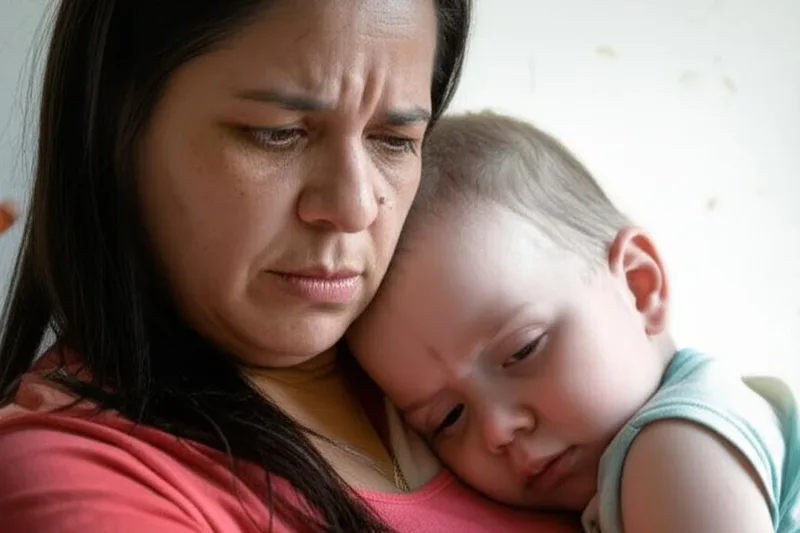
Today we are going to talk about a serious health problem that can silently affect our children, and sometimes even adults. That is Lead Poisoning . You may have heard about this, or this may be new to you. However, it is very important for you and your family to be well informed about this. Because, it is something that can be prevented!
What exactly is lead poisoning?
Simply put, lead poisoning is a health condition that occurs when we ingest more than the recommended amount of lead, a toxic metal that is harmful to our bodies. This usually happens from eating or drinking something that contains lead. But it can also happen from breathing in lead dust or touching something that has been contaminated with lead. If even a small amount of lead is found in the blood of a young child, it is considered lead poisoning.
Lead can damage many important parts of your child's body. It is especially harmful to the brain, nervous system, blood, and digestive system . Lead poisoning is dangerous for anyone, but it can be more harmful to young children than you might think. This is because their bodies are still developing. This can cause serious damage to a child's nervous system, brain, and other organs. In some cases, it can cause sudden brain damage, long-term intellectual disabilities, and learning and behavioral problems.
So, what is this lead?
Lead is a toxic metal that occurs naturally in small amounts in the earth. It is very harmful to humans and animals. Lead is especially dangerous for babies and young children under the age of 6. They can be harmed by lead even before they are born, that is, while they are still in their mother's womb.
Where can we find lead? What kinds of things are it found in?
Lead is often found in old paint. This is especially true for children who live in older homes with peeling paint or old lead plumbing systems. In addition, lead can enter our bodies through other things. For example:
- Some local medicines or Ayurvedic herbs (not all, but some).
- Some toys and sweets brought from foreign countries.
- Beautiful stained glass designs.
- Crystal glassware containing lead.
- Glazed ceramic items (some plates, jugs, cups).
Imagine, if the paint is peeling off an old wooden piece of furniture in your home, or if your child puts a toy they used as a child but is now years old in their mouth, it may contain lead.
Since when was lead paint banned?
In countries like the United States, lead-based paint was banned for use in homes around 1978. Before that, these types of paint were used both inside and outside homes. Old paint easily cracks and peels off. When it peels off, tiny particles of lead dust, too small to be seen by the naked eye, are released into the air. Also, when you scrape the walls of an old house to renovate it, this lead dust can be released.
This lead dust settles on the ground and everything around it. When young children play, they put things on the ground in their mouths, or they touch things that are contaminated with lead dust and put those hands in their mouths. This is how they get lead into their bodies.
Lead poisoning has decreased since the ban on lead paint. However, it is still a major public health problem in some areas with a lot of older homes.
Who is most affected by lead poisoning?
Lead poisoning can affect anyone. However, infants and young children under the age of 6 are at the highest risk. This is because their bodies, especially their brains and nervous systems, are still developing and are very sensitive to the harmful effects of lead. In addition, young children tend to pick up and put anything they see in their mouths. These items may be contaminated with lead.
What are the symptoms of lead poisoning in young children?
Most of the time, children with lead poisoning don't show any symptoms. Even a child who appears to be in good health can have high levels of lead in their body. But sometimes, you may see symptoms like these:
- Stomach cramps (Cramps)
- Hyperactivity – This means things like not being able to sit still, fidgeting, and talking too much.
- Learning problems
- Changes in behavior – becoming irritable and agitated all the time.
- Headaches
- Vomiting
- Fatigue
- Anemia – This means a decrease in red blood cells, or more precisely, a decrease in the amount of hemoglobin in the blood.
Important: If your child is frequently sick, or shows one or more of these symptoms, it is very important to seek medical advice.
What are the symptoms of lead poisoning in adults?
Adults can also be exposed to lead in the workplace or through other means. Symptoms that adults may experience include:
- Headaches
- Abdominal pain
- Personality changes
- Anemia
- Numbness in feet and legs
- Loss of sex drive
- Infertility
When do symptoms of lead poisoning appear?
Sometimes, children and adults exposed to lead do not develop any symptoms. Or, symptoms may not appear right away. They develop gradually over weeks or months. Sometimes, symptoms may appear suddenly, disappear, and then reappear.
How does lead poisoning occur in young children?
Lead poisoning in young children is mainly caused by ingesting lead-containing paint used in homes built before 1978. This means:
- By eating or touching things like peeling paint or powder.
- By putting lead dust-contaminated hands, toys, and other objects in the mouth.
- By inhaling lead dust.
- By scratching things like lead-painted window frames, doors, and furniture.
- Drinking water from old lead water pipes (lead can be added to the water).
How does lead poisoning occur in adults?
Adults can get lead poisoning from eating food and drinking water contaminated with lead. From using lead-stained dishes. Also, if you work in a place with lead paint or renovate an old house, you can be exposed to lead dust.
What are the effects of lead poisoning in children?
Even if the level of lead in a child's blood is low, it can affect almost every organ system in the body. These effects include:
- Behavioral problems
- Learning difficulties
- Lowered IQ (intelligence quotient)
- Hyperactivity
- Growth delay
- Hearing problems
If the level of lead in the blood becomes too high, conditions such as seizures and comas can occur. Very rarely, even death can occur. This is a really dangerous situation, isn't it?
What are the effects of lead poisoning in adults?
Lead poisoning can cause serious health problems in adults. For example:
- High blood pressure (Hypertension)
- Kidney problems
- Reproductive issues – such as infertility.
How to diagnose lead poisoning? (Diagnosis)
If you suspect that you or your child may have been exposed to lead, see a doctor immediately. The doctor will ask you about your symptoms and then order a blood lead test . This test will tell you exactly how much lead is in your blood.
Can lead poisoning be cured?
Here's the important thing: Some of the damage caused by lead poisoning is not reversible. That is, damage to the brain and nervous system is difficult to completely repair.
However, it is possible to reduce blood lead levels and prevent further lead absorption. The key to doing this is to find the source of the lead and remove it from the child's environment.
If your child's blood lead levels are very high, your doctor may prescribe a special medicine called a ``chelating agent.'' This medicine works by binding to the lead in the body and allowing it to be more easily removed from the body.
Another method is to perform whole-bowel irrigation , if an X-ray of the child's stomach shows particles of paint. This involves giving a special liquid called polyethylene glycol either by mouth or through a tube placed in the stomach. The hope is that this will stop the body from absorbing more lead.
What can I do to reduce my child's risk of lead poisoning?
Here's the good news: Lead poisoning is preventable! Talk to your child's doctor for more advice. Here are some things you can do:
- Give your child nutritious foods rich in iron, calcium, and vitamin C. These nutrients provide protection against lead poisoning.
- If you live in a home built before 1978, call your local public health inspectorate to have your home's paint and dust tested for lead.
- If you are renting, talk to your landlord about peeling or peeling paint. If it is not repaired safely, notify health officials.
- Always wash your child's hands, milk bottles, soups, and toys thoroughly.
- Always wash your hands before eating.
- Always wipe your feet before entering the house and leave your shoes by the door.
- Wipe the floor and other surfaces regularly with a damp cloth or mop.
- If you have old lead water pipes in your home, lead can be added to the water when it is not used for a long time and then used again, or when using hot water. Therefore, before using water for drinking, cooking, or making baby formula, turn on the cold water tap for about a minute and then use water.
- Do not try to remove lead paint yourself. There are special methods for that.
- Do not use any home remedies that may contain lead.
What can adults do to prevent lead poisoning?
If you work with lead or are at risk of exposure to lead dust, do these things:
- Use personal protective equipment (PPE) . That means things like masks, gloves, and special clothing.
- Change clothes and shoes before coming home from work.
- Take a good shower when you get home.
Should I be concerned about lead poisoning if I am pregnant?
Yes, absolutely! If you were exposed to lead poisoning as a child, that lead may have been deposited in your bones. During pregnancy, the lead deposited in these bones can be released and passed on to your unborn baby.
Also, pregnant mothers should be careful not to be exposed to lead during pregnancy. Lead poisoning can harm a baby before it is born. If a mother's blood lead levels become too high, the following can happen:
- The risk of miscarriage may increase.
- The baby may be born prematurely and/or with low birth weight .
- It can damage the baby's brain, nervous system, and kidneys .
- The child may be more likely to have learning or behavioral problems .
This is a very important thing for you to be a mother. So take care of this too.
Finally, things to remember...
Lead poisoning is a serious condition that can occur when your child is exposed to too much lead. And remember, it's preventable . Lead can affect almost every organ in your child's body. It can also cause long-term health, behavioral, and learning problems.
Lead is often found in homes built before 1978. If you live in an older home, contact your local health department to have your home tested for lead. If your child shows any symptoms of lead poisoning, see a doctor right away. Then you can get the necessary treatment and get important advice about the future. Your awareness is the best protection for you and your family!
` Lead Poisoning, Children's Health, Lead Paint, Symptoms, Prevention, Pregnancy Health


💬 Comments (0)
No comments yet. Be the first to share your thoughts here.
Add Your Comment