

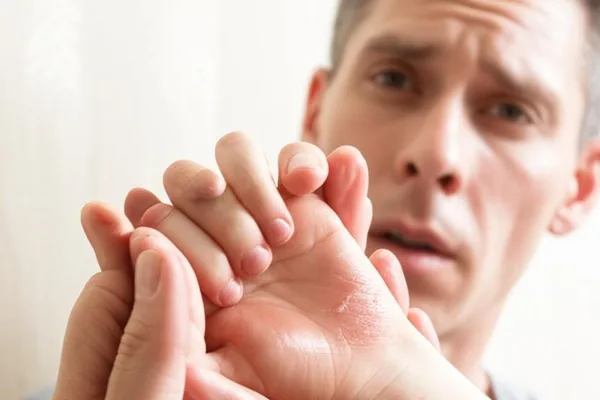
Oh my, sometimes we get burned somewhere on our body, either by a small mistake or without even thinking about it? While cooking in the kitchen, while ironing, sometimes while small children are playing... Although these burns seem like a small thing, sometimes they can be more serious than we think. Millions of people around the world suffer from these burns, and some even die. So today, let's talk about these burns, how to protect yourself from them, and what to do if you get burned.
What are these burns? Simply put...
A burn, simply put, is damage to the tissues of our body (especially the skin) by something – often something hot. The severity of a burn is determined by how deep the damage goes into the skin and how large an area of the body it covers .
Are there types of burns? Let's take a look.
Yes, there are several ways burns can occur. We can mainly talk about five types:
- Thermal burns: These are the most common. They are caused by damage to our cells from extreme heat (e.g. fire, hot water, hot iron) or sometimes extreme cold (e.g. dry ice).
- Electrical burns: These types of burns can be caused by an electric shock. As electricity passes through the body, it damages cells and generates heat, which can cause thermal burns. These are dangerous because they can cause internal damage.
- Friction burns: These burns are caused by the heat generated by something rubbing against our body too quickly (friction). Think of a child dragging themselves along the floor while playing and scratching their skin, or if they rub against a rough cloth too quickly. Often, these types of burns are accompanied by other injuries.
- Radiation burns: These burns are caused by damage to cells caused by exposure to various types of radiation (e.g., ultraviolet rays from sunlight, radiation treatments for cancer).
- Chemical burns: When harsh chemicals (e.g. acids, bases, some cleaners) come into contact with the body, they react with our cells and destroy them. This also causes burns.
How do you measure the depth of a burn? (degree of burn)
When it comes to determining the severity of a burn, it's important to know how deep it has penetrated the skin. While there used to be a classification system called "first-degree" and "second-degree," doctors now use a slightly different system. Let's break it down simply:
- Superficial burns: These are similar to the first-degree burns mentioned earlier. Here, only the top layer of skin, called the epidermis, is damaged. These are usually minor burns that can be treated at home. The skin becomes red and slightly painful.
- Partial-thickness burns: These are similar to the second-degree burns mentioned earlier. Here, both the top layers of the skin, the epidermis, and the underlying dermis, are damaged. They can blister, change the color of the skin, look different from red, and can be very painful.
- Full-thickness burns: These are similar to the third-degree burns mentioned earlier. Here, all layers of the skin are damaged, and sometimes even the fatty tissue underneath. Surprisingly, in such deep burns, the nerve endings are destroyed, so pain is not felt. However, the surrounding area may be painful.
Sometimes a burn can go even deeper, damaging things like tissue, nerves, and bones. Some people call these fourth-degree burns, but they are not that common.
What are the symptoms of a burn?
The most common symptoms of a burn are:
- Pain: It goes without saying that burns hurt. Especially when they burn sensitive areas like the hands and face, the pain is more intense. But as we mentioned earlier, full-thickness burns are not painful, but the surrounding areas may be sore.
- Changes in the appearance or texture of the skin: In superficial burns, the skin may appear to be peeling. In partial-thickness burns, blisters may form. In deeper, more severe burns, the skin may feel hard and leathery.
- Skin discoloration: A superficial burn will cause the skin to turn red (if you have darker skin, it may take on a reddish hue). A partial-thickness burn will cause blisters. A full-thickness burn will cause the skin to turn black or gray. The skin may still be discolored when the burn heals.
What can cause burns?
There are many reasons why you might get burned. Let's take a look at some of the most common ones:
- Touching something extremely hot or extremely cold, such as a hot stove, an iron, or `dry ice`.
- Exposure to extremely hot air from a fire or a hair dryer can also cause frostbite.
- Spilling boiling water, oil, or extremely cold liquids such as liquid nitrogen on the body.
- Electric shock from things like broken power lines, light poles, vehicle batteries, and lightning strikes.
- Road rash is caused by falling on a rough surface, such as a tarmac road.
- Rubbing clothes and rough fabrics like carpets too quickly and/or for too long.
- Staying in the sun for too long without proper protection (sunburn).
- Receiving medical treatment such as radiation therapy.
- Contact with cleaning products, construction chemicals, etc.
What complications can occur from a burn?
A burn is not something that just heals. Sometimes, even minor burns can lead to life-threatening complications. Some of the most common complications include:
- Infections: When you get burned, your skin loses its ability to protect itself from germs. That's why burn wounds can easily become infected. This is something you need to be very careful about.
- Scarring: Deep burns do not heal easily, and scar tissue may form instead of normal skin.
- Swelling (Edema): It is common for people who have been burned to experience swelling (not blisters). In severe burns, swelling may occur in parts of the body far from the burn site.
As the burn deepens and spreads over a larger area of the body, more serious complications can occur. For example:
- Dehydration and shock due to loss of fluid and blood from the body.
- Swelling can impair blood circulation, leading to a condition called 'compartment syndrome' .
- Difficulty breathing due to burns or other complications.
- Damaged skin can cause hypothermia (low body temperature) because the body cannot regulate its temperature.
- Damaged tissues in organs like the kidneys and liver can lead to organ damage or dysfunction.
- Digestive and metabolic problems.
- Sepsis , a severe, life-threatening immune system response, occurs due to the spread of infection.
- Blood clots, for example `Deep Vein Thrombosis (DVT)` .
Remember, the complications you may experience depend on many factors. Your doctor can give you more information based on your specific situation.
How does a doctor diagnose a burn?
A doctor will diagnose a burn by examining the wound and asking you what happened. If you are unable to speak, you can ask first aiders or other people who were there to provide information.
Although lab tests and imaging tests cannot diagnose a burn, they can help identify complications before they become severe. Blood and urine tests, in particular, can check for organ damage and infection. Sometimes CT scans and MRIs can look for damage to deeper tissues, but they are not always needed.
How to treat a burn? The most important things!
How you treat a burn depends on how deep it is and how much of your body it covers. You can treat minor superficial burns at home. When treating a burn or deciding whether to seek medical attention, here are some things to do and what not to do!
Things you can do (and shouldn't!) at home
Things to do:
- As soon as you get burned, remove the cause immediately (e.g., remove clothing that has been scalded with hot water as soon as possible. This will limit the burn from getting worse).
- Apply cold (not ice water, just plain tap water) water to the burn. (This may not work for some chemical burns, so be careful.) It's best to apply the water for about 10-20 minutes.
- Keep the burned area as clean and covered as possible.
- If you have a partial-thickness burn larger than your hand, or any full-thickness burn, you should definitely seek medical attention.
Things not to do:
- Never apply household items like bleach, butter, or toothpaste to any burn. These can make the condition worse.
- Do not apply any ointment or cream to a burn that you think may be semi-thick or full-thickness without medical advice.
- Do not put ice on burned areas. This can make the burn worse.
- Do not pop blisters that form on burned areas. Doing so increases the risk of infection.
For pain, you can take an over-the-counter pain reliever such as `Paracetamol` (e.g. Tylenol®) or `Ibuprofen` (e.g. Advil® or Motrin®). If you have any questions about taking these, ask a doctor.
Professional treatment for major and severe burns
A partial-thickness burn larger than your hand always requires professional medical attention. Likewise, all full-thickness burns require professional treatment.
Occupational therapy may include:
- Pain management: These can range from over-the-counter medications to prescription medications or treatments such as nerve blocks.
- Wound cleaning and `debriding` (removing damaged tissue): This involves removing dirt, dead or dying tissue from the wound.
- Covering/Protecting the Wound: Bandages temporarily protect the burn from dirt and germs.
- Surgery: Surgery can help heal burns and reduce scarring.
- Skin grafts: These can be used as a pre-made framework for our tissues, thus increasing the healing rate.
- Wound care: Burns may require specialized care to heal properly. This may include debridement, hyperbaric oxygen therapy, and management of dressings.
- Occupational therapy: Physical therapy and occupational therapy can help you recover from severe physical injuries caused by burns.
- Mental health care: These treatments can help with things like anxiety, depression, or Post-Traumatic Stress Disorder (PTSD) that may occur after an event like this.
The exact treatment that is right for you may vary. Your doctor can provide information tailored to your condition, preferences, and needs.
Can't burns be prevented?
Yes, you can! Experts say that about 90% of burns can be prevented. Here are some key things you can do to prevent burns:
- Teach children about fire and electricity, and supervise them carefully. Teach young children not to play with fire or electricity. Also, never leave children alone near flammable objects.
- Reduce the risk of burns from hot objects. Use travel mugs. Do not leave cups or bowls with hot liquids on tables or counters. Set your water heater to 49 degrees Celsius (120 degrees Fahrenheit). Test the water temperature before bathing young children, and do not allow young children to bathe alone.
- Cook safely. Use safety items like oven mitts and avoid touching things like towels. Make sure the stove and oven are turned off when you're finished cooking. Turn pot handles away from you so that small children can't touch them or get them caught on your clothes. Keep small children and pets out of the kitchen while you're cooking.
- Unplug heating appliances when not in use. For example, curling irons, hair straighteners, and irons.
- Be careful when using electricity. Do not overload power strips or outlets. Keep plug points covered to prevent small children from getting in the way. Do not place electrical appliances near water (sinks, bathrooms, showers). Do not use appliances, cables, or power cords that have wires sticking out.
- Use sunscreen. Choose a product with an SPF of at least 50, and reapply at least every two hours.
What can you expect if you get a burn? (Healing time)
What you can expect from a burn depends on how severe and how large it is.
- Superficial burns usually heal without scarring in a few days.
- Partial-thickness burns can take about three weeks to heal. Scarring is usually very subtle and fades over time, especially in shallow burns.
- Full-thickness burns take more than three weeks to heal. Because they take so long to heal, they can cause severe scarring if not treated properly. That's why it's always important to seek medical attention.
There are many other factors that can affect what to expect from your burn and how long it will take to heal. Your doctor can tell you more about your specific situation.
When should I see a doctor?
When to usually seek medical advice:
Seek medical advice in the following situations:
- If the burn doesn't get better after a few days, or if it seems to be getting worse.
- If the pain does not subside even after taking painkillers like `Paracetamol` or `Ibuprofen`.
- If the pain feels much worse than the burn.
When you need to go to the hospital immediately:
In such a situation , call 1990 immediately, or go to the nearest hospital:
- If you have a partial or full-thickness burn around your eyes, ears, face, hands, feet, or genital area.
- If there is fluid oozing from the burn, or if there is a bad smell.
- If you have signs of infection, such as fever, swelling around the burn, dizziness, or the skin around the burn feels warm to the touch.
What questions should you ask the doctor?
Here are some questions you can ask your doctor:
- How long will it take for my burn to heal?
- Will my burn need any additional treatment?
- What can I do to help my burn heal?
- What activities should I avoid?
- If I have any symptoms, should I call the office or go to the hospital?
A final take-home message
Maybe you slipped while touching something hot in the kitchen, or you spilled hot tea on your body. Burns are a painful and unpleasant experience. But there are many things you can do to help yourself recover.
The best thing you can do when it comes to burns is to limit the complications that can arise from them. That means, don't hesitate to seek medical advice for deep and large burns. That way, you can recover quickly, learn from these experiences, and prevent similar incidents from happening in the future. Your safety is the most important thing!
` Burns, scalds, first aid, skin disorders, accidents, skin care, child safety




💬 Comments (0)
No comments yet. Be the first to share your thoughts here.
Add Your Comment