

Have you ever been to the doctor and had your blood pressure checked and said, "Oh, my blood pressure seems a little high"? At that time, you might think, "Oh, I checked it at home, but it's not that high." This is when a special method that we are going to talk about can help us. This is called 24-hour blood pressure monitoring, or in English , ambulatory blood pressure monitoring . Let's see what it is, how it is done, and who it is important to.
What is this about checking your blood pressure all day long?
Simply put, this is a method of continuously measuring your blood pressure , or pressure, over a 24-hour period, while you are working normally, sleeping, and at all times. High blood pressure, or hypertension, is when the top number of your blood pressure, or systolic pressure , is 130 millimeters of mercury (mmHg) or higher, and/or the bottom number, or diastolic pressure , is 80 millimeters of mercury (mmHg) or higher.
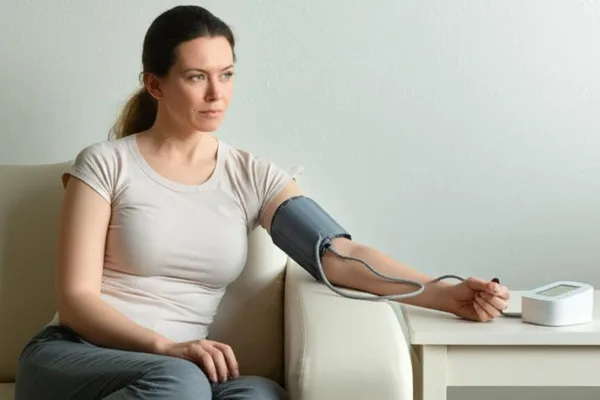
Normally, you only get your blood pressure checked when you go to the doctor. This is done using a machine called a sphygmomanometer that is attached to your arm and squeezed. But in this ambulatory method, you wear a cuff on your arm and a small device attached to a belt or waistband 24 hours a day. This device measures your blood pressure every 15-30 minutes during the day and every 60 minutes at night. It can also measure your heart rate , which is how fast your heart beats. The doctor uses this data to find out what your average blood pressure is throughout the 24 hours, changes in blood pressure, and changes in heart rate.
Why use this method?
There are many reasons why doctors use this method. Let's look at some of the main ones:
- Confirm the condition of Hypertension: Sometimes, only a doctor can diagnose high blood pressure. This way, you can know for sure if you really have high blood pressure.
- See how your blood pressure changes with your daily activities and sleep: Normally, when we sleep, the upper number (systolic) of blood pressure decreases by about 10% - 20%. But this does not happen to everyone. For some, it may stay the same or increase.
- Check if your blood pressure medication is working properly: Your blood pressure medication may not be controlling your blood pressure throughout the day. Your doctor may be able to adjust the dose, change the time you take it, or give you another medicine to control your blood pressure.
- Recognize the difference between the pressure your doctor checks and the pressure you have at home: These differences can give you some idea of your risk of developing cardiovascular disease .
This ambulatory blood pressure monitoring method can detect abnormal changes in blood pressure that may not be detected by other methods.
Identifying different pressure patterns
Using this method, the doctor can identify different pressure patterns. Let's see what they are.
What is 'White Coat Hypertension'?
Imagine, there are some people whose blood pressure is normal at home, but when they go to a doctor or hospital, their blood pressure goes up. It's like when you see a doctor's white coat, your blood pressure goes up. That's why it's called 'White Coat Hypertension' or 'White Coat Syndrome'. Because of this, even someone who doesn't actually have blood pressure may mistakenly think they have blood pressure. Between 10% and 30% of people who show high blood pressure at the doctor's office may have this condition.
Current guidelines do not recommend medication if your blood pressure is normal outside of your doctor's office using this outpatient method. However, further research is needed on this issue. Because 'white coat hypertension' may also be an early sign of a blood pressure problem, it's important for you and your doctor to be aware of this.
Sustained Hypertension
This means that your blood pressure is high whether you're at the doctor's office, at home, or wherever you are. Research has shown that this condition increases the risk of heart and kidney damage , as well as conditions like stroke .
'Masked Hypertension'
This is when your blood pressure is normal when you see your doctor, but is elevated when you check it at home or at another time. It's like the blood pressure is hidden . This condition can affect up to 30% of adults who have normal blood pressure at their doctor. If you have kidney disease , diabetes , or obstructive sleep apnea , you are at higher risk of developing this 'masked hypertension'.
Nocturnal Hypertension - High blood pressure at night
This means that your blood pressure increases while you sleep. This condition affects about two in 10 white people and about four in 10 black people. It is more common in people with diabetes and kidney disease. Research is ongoing to determine how increased blood pressure at night may affect cardiovascular disease.
Who is this method best suited for?
This ambulatory blood pressure monitoring method can be beneficial for many people. Your doctor may recommend this method in the following situations:
- According to the readings taken at the doctor's office, you have high blood pressure, but you haven't started medication yet.
- If you need to change your blood pressure medication.
- If your blood pressure is still high despite taking medication.
- If you are taking other medications that may affect your blood pressure.
- If you often feel dizzy or have low blood pressure (hypotension) .
- If you have high blood pressure during pregnancy.
Are the readings from this machine accurate?
Yes, absolutely. This ambulatory blood pressure monitoring method is a very accurate and effective way to measure your blood pressure. It gives the doctor a better amount of data than if you go to the doctor and only check your blood pressure at that time. Because it measures your blood pressure and heart rate continuously throughout the 24 hours.
How do you prepare for this?
Your doctor will tell you how to prepare for this, but in general, keep these things in mind:
- Choose a day out of these 24 hours that fits your normal routine . Maybe a weekday is better than a weekend.
- Plan to journal everything you do during these 24 hours, including when you wake up, when you go to bed, when you take your medication, when you eat, etc. Also, write down any symptoms you experience (e.g., dizziness, shortness of breath).
There are also things you should not do within these 24 hours:
- Do not do strenuous physical activity.
- Don't go bathing or swimming.
- Do not remove any part of the device without asking your doctor.
How do you do this?
Although this ambulatory blood pressure monitoring is done outside of the doctor's office, you still have to go see a doctor to get started. That's where you get these devices and instructions.
What happens when you go to see the doctor?
- You get the equipment: This includes a device that's like a small radio and a cuff. The small device is attached to a waistband or belt. The cuff and the device are connected by a tube.
- The doctor will attach the strap to your arm and adjust the device: Once everything is properly installed, the doctor will start recording data.
- You will receive instructions: The doctor will give you clear instructions. You should follow them exactly. Ask any questions you may have before leaving the office. This device will be attached to your body when you leave. The doctor will also tell you when to remove it and when to bring it back.
What happens after you get home?
- The cuff on your arm will inflate at regular intervals: This can happen every 15-30 minutes during the day, and every 60 minutes at night. The cuff inflates when the device is measuring your blood pressure. You will feel a pressure on your arm. This will only last for a short time. You will need to hold your arm still during this time to get an accurate reading.
- Sleep may be disturbed: You may wake up during a blood pressure measurement at night. This is normal. But try to ignore it as much as possible and go back to sleep.
- Continue your normal routine: Do everything else as you normally would, except for bathing, swimming, and strenuous exercise. Keep a diary as your doctor tells you.
- Take your medication as prescribed by your doctor: Ask your doctor whether you should continue taking your medication during this blood pressure measurement. Follow those instructions exactly.
How do you sleep with a blood pressure monitor?
True, you may have a little trouble sleeping. Because you're not used to sleeping with a strap on your arm. But try to relax as much as possible. Make other things that will make your sleep easier. For example:
- Put on a light song.
- Close the windows and block out the bright light.
- Keep the room at a comfortable temperature for you (not too hot or too cold).
Ask your doctor if you can make any changes to your device while you sleep. For example, if you can remove the belt around your waist and keep it near your pillow. But only if your doctor tells you to. If you have a wrist strap, it's best not to remove it until this time. Talk to your doctor about what you can do to get the best sleep.
What are the advantages of this?
This ambulatory blood pressure monitoring method is a very useful tool that helps you get the right treatment for you. Some of the benefits of this method are:
- You can measure your blood pressure accurately: This method measures your blood pressure throughout the day, not just once or twice. Since blood pressure usually changes depending on the time of day and what you are doing, this is the only way to accurately measure your blood pressure and its patterns.
- You can tell for sure if you have 'White Coat Syndrome': If your blood pressure only increases when you're at the doctor's, it means you have 'White Coat Syndrome.' Knowing that can help you avoid taking unnecessary medication.
- You can find out if you have 'masked hypertension': If your blood pressure is low when you see your doctor, but high at other times, it means your normal blood pressure is "hidden." This is a risk factor for cardiovascular disease that would otherwise go undetected. In such cases, your doctor can prescribe medication to lower your blood pressure, as well as reduce your risk of complications such as stroke.
- Your treatment plan is guided: This monitoring helps assess how you are responding to long-term hypertension medications. Your doctor can adjust your treatment plan as needed.
Are there any disadvantages?
Although this method of measuring blood pressure is noninvasive and does not cause any harm to the body , it can be a little uncomfortable for some people. The disadvantages include:
- Arm pain: The upper arm can hurt because the belt is constantly being inflated.
- Sleep disturbance: Measuring blood pressure at night may disrupt sleep.
- Skin allergies: The belt may cause a small skin rash. This usually goes away on its own.
- Cost: Some insurance companies only reimburse for these ambulatory devices in special cases. For example, if your doctor suspects you have 'white coat syndrome' or 'masked hypertension.' Ask your doctor how much it will cost you.
How are the results obtained? What do they say?
Your doctor will download the data from the device to a computer, which will analyze your pressure readings. The doctor will then talk to you about the results and what they mean for you.
Here are some of the results that the doctor can discuss with you:
- 24-hour average blood pressure: This is the average value of your pressure over the entire observation period.
- Daytime blood pressure: This is your normal pressure during your waking hours.
- Nocturnal blood pressure: This is your normal pressure during the hours you are sleeping.
- Nocturnal dipping patterns: This is the difference between your daytime pressure and your nighttime pressure. The nighttime reading should be lower.
What are good ambulatory blood pressure values?
The following are considered normal (good) values for ambulatory blood pressure monitoring:
- 24-hour average: 125/75 mmHg or less.
- Daytime BP: 130/80 mmHg or less.
- Nighttime BP: 110/65 mmHg.
- Nocturnal dipping patterns: A decrease in pressure of between 10% and 20%.
The doctor will tell you when you can expect to see the results. They will also discuss the results with you and tell you what to do next, for example, if they need to change your medication.
When do you need to call the doctor?
While you are observing this 24-hour period, call your doctor at times like these:
- If there is a technical problem with the device.
- If you have any questions about what you should or shouldn't do during this observation period.
No matter how many times you tell yourself to "calm down, calm down," you may feel a little nervous and anxious when the doctor puts the blood pressure cuff on your arm. That's normal, and it's hard to stay calm. If that's the case, this ambulatory blood pressure monitoring system can help you. This device monitors your blood pressure while you're going about your daily routine. It can show you whether the high blood pressure readings your doctor is showing are actually normal for your body.
In addition to detecting 'white coat syndrome,' this method can help your doctor diagnose and treat a variety of other blood pressure problems. Talk to your doctor about how this ambulatory blood pressure test can help you and what you can learn from the results.
The most important things to remember
Ambulatory Blood Pressure Monitoring (ABPM) is a valuable way to get a more accurate picture of your blood pressure. It can help you determine whether you have 'white coat hypertension', which is high only in the doctor's office, 'masked hypertension', which is high at home without the doctor's presence, or 'sustained hypertension', which is actually ongoing. It can also tell you a lot about whether your blood pressure medication is working properly, what time of day your blood pressure is highest, and whether it drops at night. So if your doctor recommends this test, don't be afraid to get it done. It's very important for your heart health!
` High blood pressure, pressure monitoring, all-day pressure, white coat hypertension, blood pressure, heart disease, pressure test




💬 Comments (0)
No comments yet. Be the first to share your thoughts here.
Add Your Comment