

Do you sometimes have difficulty breathing, chest tightness, or a persistent cough? Or has a doctor told you to get a little lung test done? That's when these pulmonary function tests , or ``PFTs'' for short, come in handy. Simply put, they measure how well your lungs can breathe in and out, and how efficiently they can exchange air. They really give us a good picture of the health of your lungs.
What types of pulmonary function tests (PFTs) are there?
Okay, now let's see, there are different types of these `(PFTs)`. Each test looks at different aspects of the lungs. Here are some of the main types:
- Spirometry: This is the most important and common test that is often performed. It measures how quickly and how much air you can breathe in and out. It also gives an idea of how much air you normally have in your lungs.
- Lung volumes or body plethysmography: This measures how much air is left in your lungs at different times, such as after taking a deep breath and after exhaling completely, and how much total lung capacity you have.
- Gas diffusion study: This is a somewhat specialized test. It measures how well your lungs are absorbing gases, such as oxygen, into your blood. That is, it measures the efficiency of gas exchange from your lungs to your blood.
- Cardiopulmonary exercise test (CPET): This test measures how your heart, lungs, and muscles work together during a short exercise session. This can help determine whether shortness of breath is caused by your lungs, heart, or another cause.
Of these, spirometry is the most commonly performed and most widely heard of lung function test.
When should these lung tests (PFTs) be done?
There are several reasons why your doctor may ask you to do a PFT. You should especially consider this if you have any of these symptoms:
- If you feel chest tightness, pain, or tightness.
- Cough, especially if it is persistent and comes with phlegm.
- If you feel short of breath, or if you have difficulty taking a deep breath.
- Difficulty breathing, a condition that doctors call ``Dyspnea''.
- If you hear a "whistling" sound from your chest when you breathe.
Remember, sometimes you may not have any symptoms at all. But a doctor may recommend a PFT as part of your annual checkup, or if you are a smoker, to check for any changes in your lungs.
In addition to these symptoms, doctors can learn a lot more from PFTs:
- Identify whether there is any blockage or narrowing in the airways (airways) in your lungs.
- Find out early if there is any change in the ability of the lungs to absorb oxygen into the blood.
- Measure how chronic pulmonary diseases (chronic pulmonary diseases) have affected those who continue to smoke.
- Determine if the medications you are given are helping to relieve your breathing difficulties.
- Understand whether your lungs are affected by exposure to certain substances in your work or living environment.
- Before you have any surgery or other medical treatment, decide if your lungs can handle it.
What kind of diseases do these PFTs help diagnose?
PFTs are not just a routine test. They often help diagnose, confirm, or assess the severity of conditions such as:
- Asthma: A condition that causes difficulty breathing that is common among many people.
- Chronic Obstructive Pulmonary Disease (COPD): This is especially common among smokers.
- Pulmonary fibrosis: This is a condition in which the lung tissue thickens, making it difficult to breathe.
- Weakness of the muscles that help with breathing.
- Narrowing of the trachea.
Who does these lung function tests?
These ``(PFTs)'' are usually performed by a respiratory therapist who has received special training for this purpose. He or she will explain the test to you and help you perform it correctly.
How is this lung function test done?
This is actually not as complicated as you might think.
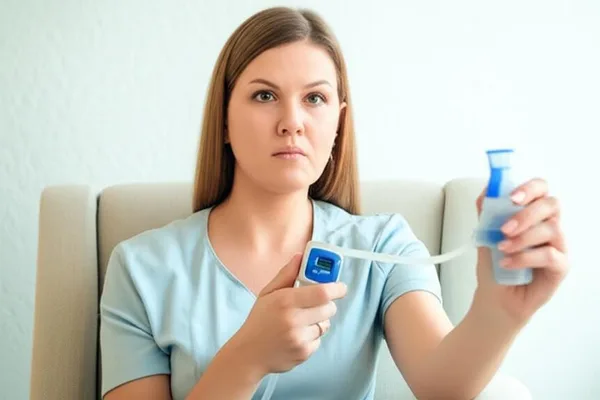
There are several pieces of equipment that are commonly used when performing a `PFT`. These include, in some tests, a transparent, airtight box (you have to sit inside it), a small soft clip that you put on your nose (this helps you breathe only through your mouth instead of through your nose), a mouthpiece that you put in your mouth, and a small electronic device that measures the rate and amount of your breathing. This is called a `Spirometer` .
How should I prepare before this test?
Before your PFT, your doctor or the testing facility may give you some advice, such as:
- You may be asked to stop taking any medication (such as an inhaler) that you are taking for breathing difficulties for a while. This is done to ensure accurate test results. So follow your doctor's instructions.
- Wear loose, comfortable clothing. Avoid clothing that is tight, especially around the chest area.
- Avoid excessive exercise the day before or the morning of the test.
- If you use tobacco products (such as cigarettes), avoid them for at least a few hours before the test.
Only if you follow these things correctly will you be able to achieve the best results .
Can I eat before the test?
It is not a good idea to eat a large meal before the test. It is also a good idea to stop drinking caffeinated beverages (such as coffee and tea) shortly before the test, as these can have a small effect on your breathing pattern.
What should I expect on the day of the test?
You will need to have a ``PFT'' done in a special pulmonary function testing lab, usually located in a hospital or outpatient department.
Before the test begins, the respiratory therapist will take some personal information from you, such as:
- Height
- Weight
- Age
- Race
- Gender
This information is used to compare your results with normal values for your age, height, and gender.
What happens during the test?
After taking your information, the respiratory therapist will take you to a room with a ``PFT'' equipment and give you instructions based on the type of test you need to have.
In Spirometry:
First, a small soft clip is placed on your nose. This is because you are supposed to breathe only through your mouth, not through your nose. Then you are given a mouthpiece. You have to hold it tightly around your lips. This mouthpiece is connected to the spirometer. Then the therapist tells you how to breathe in and out.
Sometimes you'll be told to take a deep breath and exhale slowly . Other times you'll be told to take a deep breath and exhale as fast and hard as you can . It's like blowing out the candles on a birthday cake. You have to do this several times.
In body plethysmography:
In this one, they also put a clip on your nose. Then they make you sit inside a square box that looks like glass. The therapist closes the door. You have to stay inside for about five minutes. Don't worry, it's not difficult to breathe inside.
If you have difficulty being in confined spaces (i.e., if you are ``Claustrophobic''), tell your therapist ahead of time. He or she will help you feel more comfortable.
As you breathe in and out with the mouthpiece in your mouth, the spirometer measures the changes in air pressure and volume inside the box, calculating your lung volumes.
In a gas diffusion study:
Here, too, the clip is placed on your nose. When you place the mouthpiece in your mouth, the therapist tells you to breathe in air containing a very small, safe amount of carbon monoxide (this will not harm you), hold your breath for a while, and then exhale.
When you exhale, a spirometer measures how much carbon monoxide you exhale. This determines how much of the gas is absorbed from your lungs into your blood.
In the cardiopulmonary exercise test (CPET):
In this, the therapist connects you to equipment that measures your heart rate, blood pressure, and blood oxygen levels. Then, they ask you to walk on a treadmill or ride a stationary bike.
While you exercise, those devices record various data about the performance of your heart, lungs, and muscles.
How long does this lung test take?
A PFT can typically take between 15 and 45 minutes to complete, depending on how many tests you have and your support.
If you feel tired or dizzy during the test, don't be afraid to tell the therapist. Then you can take a break and start again.
Is this test painful?
No, a lung function test is not painful. However, some people may feel a little dizzy, light-headed, or a little tired when taking a deep breath or exhaling quickly. You may have a slight cough when blowing into the mouthpiece. However, these symptoms will go away after a short while after the test.
What happens after the test?
After the test is over, you can start taking any medications your doctor told you to stop, if any, and you can resume your normal activities and exercise.
If you feel dizzy during the test, the therapist will monitor you until those symptoms go away and you are able to go home.
They will also tell you when you will receive your test results.
Are there any risks with this test?
Pulmonary function tests are very safe . As mentioned earlier, there are no major risks, except for a little dizziness and fatigue from taking deep breaths. These symptoms also go away after a while.
However, very rarely , some people may develop a condition called pneumothorax (a collapsed lung). Also, your heart rate may increase slightly during a PFT. Therefore, if you have recently had a heart attack or have any other heart conditions, it is very important to tell your doctor or therapist beforehand.
What are the results I get? What do they tell me?
The respiratory therapist compares your test scores to the average values for your age, height, gender, and race. There is a "normal range" that is expected for everyone.
What happens if I "fail" this test?
Here's the thing, there's really no such thing as a "failed" PFT. If your results are outside the normal range, meaning "abnormal," it means there may be a problem with your lungs. If so, your doctor will talk to you about it and decide if any further tests are needed to get an accurate diagnosis or what kind of treatment plan to start. So don't be afraid of the results.
When will I know my test results?
You should usually receive your PFT results within a few days . Your doctor will let you know. If you have not heard back from your doctor or clinic within a few days, you can ask your doctor or clinic about it.
If you are diagnosed with a lung disease, you may need to continue these tests in the future to monitor how your condition is progressing.
Take-Home Message
Okay, so we've talked a lot about pulmonary function tests, haven't we?
The bottom line is that PFTs are a painless, safe test to check the health of your lungs. They can detect any changes in your breathing patterns and lung function.
- If you have symptoms like a persistent cough, shortness of breath, or chest tightness, be sure to see a doctor. He or she can determine if you need a ``(PFT)``.
- Follow the instructions given before the test exactly.
- If you feel any discomfort during the test, tell the therapist.
- Don't be afraid of the results. Even if there is a problem, you can get the necessary treatment for it.
It's very important to take care of your lung health, because healthy lungs are essential for a healthy life!
` Lung tests, PFT, spirometry, breathing difficulties, asthma, COPD, lung diseases




💬 Comments (0)
No comments yet. Be the first to share your thoughts here.
Add Your Comment