
Have you ever wondered how exactly air gets into the lungs when we breathe? It's an amazing mechanism. One of the main players in this important journey in our respiratory system is the bronchi . Today we're going to talk about these bronchi and how important they are to our health.
What are these bronchi?
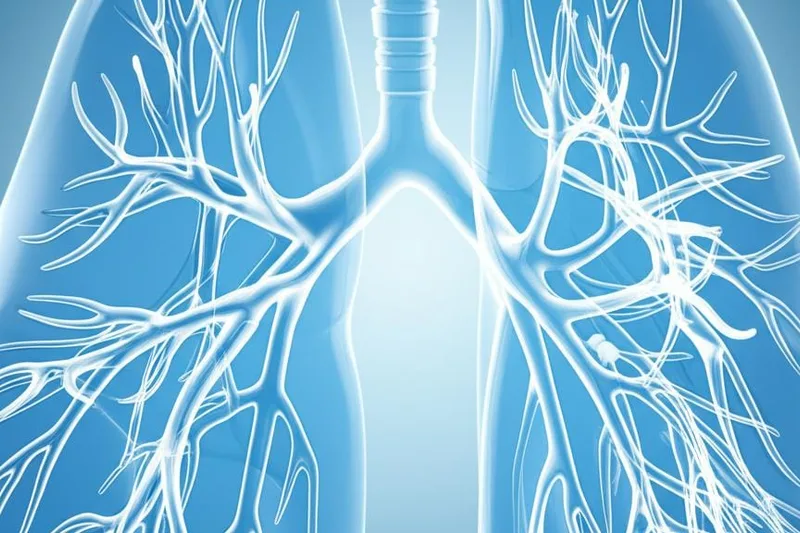
Simply put, your bronchi are two large tubes that carry air to your lungs. When you breathe, air that enters through your nose or mouth passes through your throat and down your trachea , which is your windpipe . This windpipe splits into two, like the letter Y. These two main tubes are called bronchi - one goes to the left lung, the other to the right lung. Then these two main tubes, like the branches of a tree, split into even smaller tubes inside your lungs. These are a very important part of our respiratory system . Think of them as roads, helping air get to the tiny air sacs (alveoli) inside your lungs.
What happens to the bronchi?
Here's the important thing. The main function of the airways is to carry air into the lungs and to carry air out of the lungs. It's like a road that allows vehicles to move back and forth.
Imagine you are breathing...
1. Air enters through the mouth or nose and travels down the bronchi .
2. Then, air enters the two main airways, the right and left, which are formed by the division of this trachea.
3. These bronchi divide into smaller tubes, and finally, through the smallest tubes called bronchioles, the air passes into the alveoli in the lungs. That's where oxygen is added to your blood.
Also, as oxygen is added to the blood, the unwanted carbon dioxide gas in the blood is reabsorbed into the air sacs. When you exhale, this carbon dioxide gas returns through the trachea, bronchi, and bronchioles and is exhaled through your mouth or nose.
Important: The inside of the airways is lined with a substance called mucus . This mucus moistens the air that enters and traps harmful substances such as germs and dust in the air. In addition, there are tiny hair-like structures called cilia inside the airways. These act like brooms and push the trapped germs and dust towards the back of the throat. That's when we cough or sneeze and they come out. Isn't it an amazing defense system?
Where are the bronchi located?
Your trachea is located inside your chest, inside your lungs, which are protected by your rib cage. As mentioned earlier, these are connected to the lower end of your windpipe (bronchi ). They start out as large tubes, then gradually branch out into smaller ones, eventually leading to the smallest air sacs (bronchioles) .
What are the parts of the bronchi?
The respiratory tract is not a single network of tubes. They can be divided into three main parts, like a road being divided into main roads and side roads.
- Primary/Main Bronchi: These are the first two largest bronchi – the right and left bronchi. These are the ones that connect directly to the trachea (bronchi ). These are the widest part of the bronchi.
- Secondary/Lobular Bronchi: These are the tubes that branch off from the main bronchi and go into the different lobes of the lungs. Did you know that the right lung has three lobes and the left lung has two lobes? These secondary bronchi go into each of those lobes.
- Tertiary/Segmental Bronchi: These are smaller tubes that branch into smaller segments within the lung lobes. After these, even smaller bronchioles begin.
Think of it like a road. It's like turning from the main road (Primary) to a secondary road (Secondary), and then going to another smaller road (Tertiary).
What is the structure of the bronchi?
The airways are made up of smooth muscle and a tough tissue called cartilage that surrounds them. This cartilage gives the airways good strength and prevents them from collapsing as air passes through. The main airways have cartilage rings. However, since the secondary and tertiary airways are smaller, they only have patches of cartilage. As mentioned earlier, these have mucus membranes and cilia inside.
This entire system of trachea, bronchi, and bronchioles is called the tracheobronchial tree , which means "tracheobronchial tree." Because it looks like an upside-down tree. The trachea is like the trunk of the tree, and the bronchi are like the branches.
What are the diseases that affect the bronchi?
Unfortunately, our respiratory tract can also develop various diseases. You may have heard of some of these.
- Asthma: This is a condition in which the airways are constantly inflamed, making it difficult to breathe.
- Bronchiectasis: In this condition, the airways become widened, damaged, and form sacs that collect mucus.
- Bronchitis: Inflammation of the airways. This can be short-term (acute) or long-term (chronic).
- Bronchopulmonary Dysplasia: This is a breathing problem that can occur in newborn babies. It occurs when the lungs do not develop properly.
- Chronic Obstructive Pulmonary Disease (COPD): This is a group of inflammatory diseases that affect the lungs, blocking the airways and making it difficult to breathe.
- Cystic Fibrosis (CF): This is a genetic disease that causes thick, sticky mucus to build up in the airways.
What are the common symptoms of respiratory problems?
If there is a problem with your airways, you may experience symptoms like these:
- Cough (may be a persistent cough)
- Difficulty breathing (like shortness of breath)
- Wheezing
- Bleeding with mucus
- Chest tightness, feeling of constriction
- Frequent fatigue
- Frequent respiratory infections (e.g. pneumonia, bronchitis)
What are the tests that check the health of the bronchi?
Depending on your symptoms, a doctor may order various tests to check the health of your airways and lungs.
- Spirometry: This is the most common lung function test. It measures how much air you can hold in your lungs and how quickly you can breathe out.
- Bronchoscopy: In this procedure, the doctor inserts a small, flexible tube (with a camera attached) through the mouth or nose to look inside the airways.
- CT Scan: This is a test that uses special computers and X-rays to produce detailed images of the lungs.
- Endobronchial Ultrasound (EBUS): This is similar to a bronchoscopy , but it uses ultrasound technology to help detect inflammation or cancer in the airways.
- Exhaled Nitric Oxide Test: This measures how much nitric oxide you exhale. This can tell doctors if you have inflammation in your airways.
What are the common treatments for diseases affecting the bronchi?
Treatment options depend on the condition affecting your airways. Here are some of the most commonly used treatments:
- Inhaled Medications: Medications such as bronchodilators and steroids reduce inflammation in the airways, widening them and making it easier to breathe. These can be given either through an inhaler or as a liquid in a nebulizer and inhaled.
- Oxygen Therapy: If you are not getting enough oxygen, you may need to be given oxygen from outside.
- Pulmonary Rehabilitation: This is an exercise and educational program that helps strengthen the lungs and manage lung disease.
- Oral Medications: Medications such as steroids or antibiotics may be prescribed to be taken daily or when an infection develops or the disease worsens.
- Positive Airway Pressure Therapy: Your doctor may recommend that you use a CPAP or BiPAP® machine. This helps keep your airways open.
How do I keep my bronchi healthy?
Here are some things you can do to keep your entire respiratory system, not just your airways, healthy:
- Avoid smoking and vaping. This is the most important thing.
- Avoid inhaling secondhand smoke.
- Keep your home clean and change air filters regularly.
- Exercise regularly to strengthen your heart and lungs.
- Reduce exposure to air pollution as much as possible.
- If you are regularly exposed to dust, allergens, or chemical fumes, use protective gear like a face mask.
- To protect yourself from respiratory infections, wash your hands frequently, avoid crowded places during flu season, and get recommended vaccinations.
When should I see a doctor?
If you have a persistent cough and feel like you're having trouble breathing, definitely see a doctor.
Also, if you experience any of the following symptoms of respiratory distress , you should immediately call 1990 or go to the nearest hospital emergency department:
- Blue, gray, or pale color of the lips, skin, or nails (Cyanosis)
- Chest Retractions (feeling like your chest is sinking in when you breathe)
- Rapid breathing for no particular reason
- Swelling of the nostrils (due to difficulty breathing)
- Sweating without an increase in body temperature
- Wheezing
Remember: Your airways have a major responsibility of carrying air to your lungs. Your body uses this air to get the oxygen it needs to survive. At the same time, your airways moisten the air, protecting you from germs and other things that can harm you.
Finally, remember this.
So, now you understand how important the bronchi are in our body. If they are damaged or inflamed, diseases like bronchitis and COPD can develop. Therefore, to keep your bronchi healthy, avoid smoking completely and do not inhale anything that is harmful to your lungs. Take care of your breath! Because healthy breath is the key to a healthy life.
` Trachea, lungs, breathing, respiratory system, asthma, bronchitis, healthy lungs


💬 Comments (0)
No comments yet. Be the first to share your thoughts here.
Add Your Comment