

Today we are going to talk about the kidneys, a very important organ in our body. Specifically, the outermost part of the kidney, the renal cortex . This may sound like just a word, but it is a very amazing place in our body that silently does a lot of work. So, let's learn about this in a little more detail, as if we were talking to a friend, right?
What is the Renal Cortex? Where is it located?
Simply put, the word "Cortex" often means the outermost layer or covering of an organ in our body. So, the Renal Cortex is the outermost part of our kidney. Some people also call it the "Kidney Cortex". This "Renal Cortex" surrounds the inner part of the kidney, the medulla . It's like a shell. But, this "Renal Cortex" isn't just there, it's also covered by a protective membrane, a somewhat strong tissue called the "Renal Capsule". Think of it like the skin of an onion, these are made up of several layers.
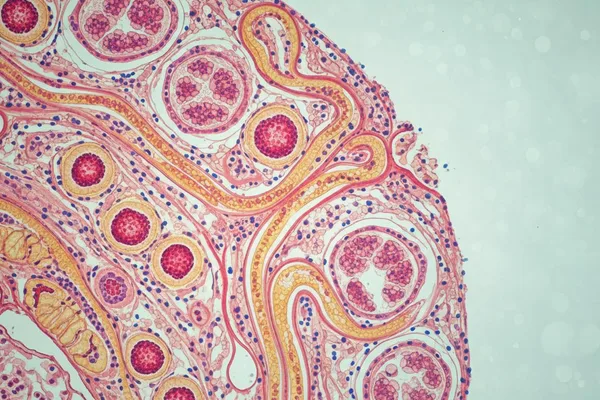
Now, in this `(Renal Cortex)`, the indispensable blood-cleaning units of our body, that is, the `(Nephrons)`, begin. It is unimaginable, there are about a million `(Nephrons)` like this in one kidney! Isn't it amazing? The main filtering unit in this `(Nephron)` is the glomerulus . This `(Glomerulus)` is connected to a channel `(Tubule). It is through this channel that waste is removed and the things that the body needs are absorbed back into the body. Inside the `(Renal Cortex)`, these channels are a little twisted, coiled, and `(Convoluted).` However, in the `(Medulla), which is the inner part of the kidney, these channels are a little straight.
Let's look at where our kidneys are located. They are located in our chest, just below the rib cage, behind the abdomen. Usually, one kidney is located on each side of the spine. To be precise, between the intestines and the diaphragm. From each kidney, a tube-like part called a ureter begins, which connects to the bladder.
The color of this `(Renal Cortex)` is brownish red . This is the outermost part of the kidney. It covers the `(Medulla)`, which is the inner part of the kidney. Inside the `(Medulla)`, there are small triangular pieces, which are called renal pyramids. The `(Renal Cortex)` covers these `(Renal Pyramids)` like a cap.
What actually happens in the Renal Cortex? What is the function of the kidney?
As part of your urinary tract, the renal cortex is directly involved in the functioning of your kidneys. The kidneys are not just an organ that removes waste. They do much more than that. Take a look:
- Regulates electrolytes and water balance: Helps maintain proper salt and water levels in the body.
- It controls your blood pressure and the amount of fluid outside your cells (extracellular fluid).
- Helps in the production of red blood cells.
- Maintains the body's acid-base balance.
- Contributes to the production of vitamin D.
- Controls calcium and phosphate balance.
- It also helps in the production of glucose (Glucogenesis): Although most of the glucose (sugar) we need is actually produced by the liver, some is also produced by the kidneys.
Just imagine how much goes on inside this tiny cortex! It's really amazing, isn't it?
What are the common diseases that can affect the Renal Cortex?
Unfortunately, there are various diseases that affect the kidneys. Some of these can also affect the ``Renal Cortex``.
- Chronic Kidney Disease (CKD): This is a gradual loss of kidney function. It is often caused by diabetes mellitus or high blood pressure.
- Kidney Cancer: Renal Cell Carcinoma is the most common type of kidney cancer.
- Kidney Failure / Renal Failure: This can happen suddenly `Acute` or it can become chronic over time. End- Stage Renal Disease is a condition where the kidneys are no longer working properly. Dialysis is then required.
- Kidney Infection (Pyelonephritis): This type of infection can occur when bacteria, such as bacteria, travel up your ureters and into your kidneys. These symptoms come on suddenly. Doctors will prescribe antibiotics for this.
- Kidney Stones: Crystals can form in your urine and block the flow of urine. Sometimes these stones can pass on their own. Or there are treatments to break them up or remove them.
- Kidney Cysts / Renal Cysts: Fluid-filled sac-like cysts can develop on the kidneys. These cysts can also damage the kidneys. Doctors will remove these if necessary.
- Polycystic Kidney Disease (PKD): This is a genetic condition. In this condition, many cysts develop on the kidneys. PKD can cause high blood pressure and kidney failure. People with PKD should be under constant medical supervision.
Some more serious situations
In addition to this, there are many other diseases related to the kidneys, some of which are really serious.
- Acidosis: When the kidneys are not working properly, the acidity of the blood can increase. This can cause many health problems. If left untreated, it can be life-threatening.
- Acute or Chronic Interstitial Nephritis: This causes the kidneys to swell, which can lead to kidney failure.
- Diabetic Nephropathy or Hypertensive Nephropathy: High blood pressure and uncontrolled diabetes damage the kidneys. This is also called `(Nephropathy)`.
- Glomerular Diseases: These diseases can cause your glomeruli to become swollen or damaged, which can lead to kidney failure.
- Minimal Change Disease: This is also a kidney disease. In this, the glomeruli are damaged and large amounts of protein are excreted in the urine.
- Proteinuria and Nephrotic Syndrome: Proteinuria is when your urine contains high levels of protein. This can be a sign of kidney damage. If your urine contains a lot of protein, it can be a sign of Nephrotic Syndrome. This is when damaged kidneys leak a lot of protein from your blood into your urine.
- Uremia: Toxins that should normally be cleared by the kidneys and excreted in the urine instead accumulate in the blood. Uremia can be life-threatening if left untreated.
What are the common signs and symptoms of kidney disease?
Many kidney problems don't show symptoms in the early stages. That's what's most dangerous. As kidney damage progresses, you may start to experience things like:
- Muscle Cramps: Muscle cramps can occur due to electrolyte imbalances in the body. This is often what causes muscle cramps. However, it can affect any muscle group.
- Dark urine or urine with blood in it: When the filters in the kidneys are damaged, red blood cells can leak into the urine. This is called ``Hematuria''.
- Foamy urine: If there are bubbles in the urine, it means there is too much protein.
- Itchy, dry skin: An imbalance in minerals and nutrients in the blood can cause the skin to become itchy and dry.
- More frequent urination: Some problems with filtering waste products may cause you to need to urinate more often.
- Puffy eyes or swollen ankles and feet: When kidney function decreases, the body starts to retain protein and sodium. This causes edema, or swelling.
- Sleep problems, fatigue and lack of appetite: If toxins accumulate in the blood, your sleep, appetite and energy may decrease.
How to check the health of the (Renal Cortex)?
Doctors use several tests to measure kidney function and diagnose kidney problems. Your doctor may recommend tests like these:
- Imaging tests: For example, X-rays, CT scans, MRIs, ultrasounds, or nuclear medicine imaging. These can show abnormalities or blockages in the kidneys. For example, they can measure the thickness of the renal cortex. If the cortex is thin, it means that the kidneys have been damaged.
- Blood tests: These can check how well your glomeruli are filtering blood.
- Kidney Biopsy: In this procedure, the doctor takes a small sample of kidney tissue and examines it under a microscope.
- Ureteroscopy: In this procedure, the doctor passes a tube (endoscope) through your urethra to look for abnormalities inside your bladder and ureters.
- Urinalysis: This test measures specific substances in the urine, such as protein and blood, to detect any abnormalities that may indicate a medical condition or infection.
- Kidney Function Tests / Renal Function Tests: These tests show how well your kidneys are working. One blood test is called `(Creatinine).` This can assess kidney function and see how efficiently your kidneys are removing waste products from your blood.
What are the treatments for diseases related to the Renal Cortex?
Treatment for diseases that affect your kidneys and renal cortex depends on the condition you have. For example, if you have an infection, your doctor will prescribe antibiotics.
If you have something that needs to be removed, such as a kidney stone, tumor, or cancer, you may need to have a procedure or surgery.
How can I keep my kidneys healthy? Very important!
It's important to have regular medical checkups to monitor the health of your kidneys. This is especially important if you have health problems like high blood pressure, obesity, and diabetes. You can reduce your risk of developing kidney problems by:
- Avoid or quit smoking. Is this even worth saying?
- Reduce your intake of excessive salt. This can affect the mineral balance in your blood.
- Drink plenty of water. This helps the kidneys flush out toxins.
- Increase daily exercise. This can help reduce high blood pressure.
- Limit the use of nonsteroidal anti-inflammatory drugs (NSAIDs). Taking too much of these can damage your kidneys.
- Maintain a healthy weight.
- Monitor your blood pressure regularly. This will help you quickly identify any levels that are higher than expected.
- Take care of your blood sugar levels and keep your diabetes under control.
What is the difference between (Renal Cortex) and (Renal Medulla)?
The kidney is made up of dense tissue. This is called the renal parenchyma . It consists of two parts called the cortex and the medulla. As we have said before, the renal cortex is the outer part of the kidney, and the medulla is the inner part.
The `(Renal Cortex)` is a bit grainy in nature. The `(Medulla)` is smoother.
Although both parts have tubules, the cortex has glomeruli, convoluted tubules, and blood vessels. This is why it has a granular appearance. The tubules in the medulla are somewhat straighter and are called collecting tubules (because they collect urine). The medulla also has loops of Henle, or U-shaped sections of collecting tubules.
When should you see a doctor about kidney problems?
If you think you have a kidney problem, you should definitely see a doctor. You may experience symptoms like these:
- Changes in your urine (such as blood in your urine or a dark color) or changes in your urination habits (such as needing to go to the toilet more often or having pain when urinating).
- Dry or itchy skin.
- Extreme tiredness.
- High blood pressure (Hypertension).
- Muscle twitching.
- Loss of appetite or a metallic taste in food.
- Stomach pain or vomiting.
- Swelling, especially around the ankles or hands.
If you have certain conditions, your doctor may order regular kidney function tests:
- If anyone in the family has a history of kidney disease.
- Diabetes.
- Heart disease.
- High blood pressure.
- Obesity or overweight.
- If you are taking certain medications regularly (e.g., blood pressure medications).
Finally, things to remember
So, if you want to take care of your kidneys, you need to start taking care of your overall health first. That means controlling your blood pressure and blood sugar levels, drinking plenty of water, eating right. And getting enough sleep, and exercising. If you notice any changes in your urination habits or any pain, talk to your doctor about it, and together you can come up with a solution. Remember, our kidneys are silent workers, so we need to take good care of them!
` Kidney, renal cortex, nephron, kidney disease, kidney function, urinary system, kidney health




💬 Comments (0)
No comments yet. Be the first to share your thoughts here.
Add Your Comment