

You may not have heard of the word ``Fimbriae`` before. But, did you know how important these little finger-like parts are, especially for a woman's fertility, that is, her ability to conceive a child (``Conception``)? Although they are a very small part of the ``Fallopian tubes``, they play a very crucial role in having a child. Today, we will talk about what these fimbriae are, how they work, and how to keep them healthy.
What are Fimbriae? Simply put...
Imagine, inside your body, connected to the uterus (`Uterus`), there are two fallopian tubes, one on the left side and the other on the right side. At the end of those fallopian tubes, closest to the ovaries (we call them `Ovaries`), there are some tiny projections that spread out like fingers. That's what we call `Fimbriae`.
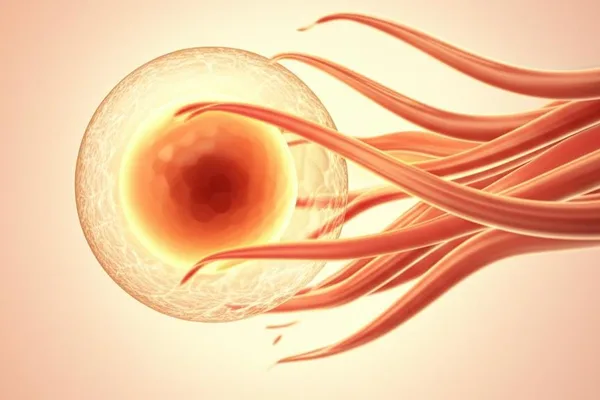
Every month, an egg (`ovum`) is released from one of your ovaries, which we call ``ovulation``. At that time, these fimbriae capture that egg. Then, they very carefully guide that egg into the fallopian tube. That's where it can meet with a sperm and be fertilized. So, the fimbriae are a tiny part of the fallopian tubes, but they are essential for conceiving a child.
Why are fimbriae so important?
Your ovaries and fallopian tubes need to work together, like a team, in unison to conceive a child. The fimbriae play a big role in that synchronization.
Think of it this way, the ovaries produce an egg. The fimbriae are there to catch that egg at exactly the right time and send it down the fallopian tube. Once it's in the fallopian tube, if you have sex, a sperm can get there and join the egg and fertilize it. So, the fimbriae are very important for this whole process to work properly.
What is the main function of fimbriae?
Simply put, the function of the fimbriae is to capture an egg and help transport it to the fallopian tube.
If your reproductive system is functioning normally, each month, as part of your menstrual cycle, an egg is released from one of your ovaries. In response, the fimbriae spread out over the ovary and grab the egg. Amazingly, these fimbriae have very fine, thread-like structures called ``cilia`` on their inner surface. These cilia move rapidly towards the uterus. This movement pushes the egg down the fallopian tube, where it can be fertilized by sperm from your partner or a donor.
- If the egg is fertilized: It becomes an embryo. The embryo is then carried through the fallopian tubes to the uterus. There, it implants itself in the uterine wall and begins to develop into a fetus.
- If the egg is not fertilized: The unfertilized egg travels through the fallopian tubes to the uterus. Eventually, the egg is shed along with the lining of the uterus during your monthly period.
So you understand, in order to conceive a child and get pregnant, the fimbriae must be able to move freely and capture an egg.
Where are the fimbriae located in the body?
There are two fallopian tubes in our body, one on the left side and the other on the right. Each fallopian tube starts at the uterus and ends at the fimbriae, near the ovaries. There are four main parts to a fallopian tube:
- Intramural part: This is the part closest to the uterus.
- Isthmus section.
- Ampulla section.
- Infundibulum: This is the part closest to the ovaries.
The outermost part of the infundibulum is called the fimbriae. They extend close to the ovaries.
The amazing thing is that when you are not ready to ovulate, the fimbriae are a little further away from the ovary. But when an egg is about to be released, the fimbriae move closer to the ovary. That's when you can easily grab the egg and gently push it into the fallopian tube.
What is the structure of the fimbriae?
The fallopian tubes are composed mainly of columnar cells, the aforementioned cilia, and several layers of muscle. These layers vary according to the different parts of the tube (intramural, isthmus, ampulla, infundibulum).
A special feature of the fimbriae and infundibulum is that they have more cilia than other parts of the fallopian tube. This is why they are able to do their job of capturing and pushing the egg.
What are the common conditions that affect the fimbriae?
Damaged fimbriae can cause infertility, which is difficulty conceiving. When they lose their ability to move freely, the fimbriae are unable to guide an egg into the fallopian tube. If these finger-like structures become stuck, the fallopian tubes can become blocked. This prevents an egg from traveling down the fallopian tube and being fertilized by a sperm.
Here are some fimbriae-related conditions that may be associated with infertility:
- Salpingitis: This is an inflammation of the fallopian tubes. It often occurs as part of pelvic inflammatory disease (PID). Untreated bacterial infections, especially sexually transmitted infections (STIs) such as Chlamydia and Gonorrhea, are the main cause. As the body fights infection, the fimbriae can become damaged and stick together.
- Pyosalpinx: This condition occurs when pus collects inside the fallopian tube. This condition is more likely to occur when the fimbriae are attached.
- Hydrosalpinx: This is a condition where fluid builds up inside the fallopian tube. Like pyosalpinx, this condition is also common when the fimbriae are stuck together, preventing the fluid from escaping.
In addition, research has found that fimbriae are also associated with some types of ovarian cancers . In particular, many ovarian high-grade serous carcinomas (HGSCs) are thought to start in the fallopian tubes rather than in the ovaries. It is suspected that these may also start in the fimbriae.
What tests are available to check the health of the fimbriae?
The same tests used to examine your fallopian tubes can also provide information about your fimbriae. These tests can help determine whether your tubes are blocked or not.
- Hysterosalpingogram (HSG): This is an X-ray test. A special dye is passed through the uterus and the fluid is watched as it flows through the tubes.
- Hysterosalpingo contrast sonography (HyCoSy): This is an ultrasound test that uses a special medium or air bubbles to look at the flow of fluid inside the tubes.
- Laparoscopy: This is a surgical procedure that involves inserting a small camera into the fallopian tubes to look directly at them. Sometimes, the doctor will also pass a liquid through the tubes during the procedure to see if they are moving freely or if there are any blockages. This is called chromopertubation.
What are the treatments for problems related to fimbriae?
In some cases, as part of a surgical procedure called a salpingostomy (or neosalpingostomy), the doctor may also perform a procedure called a fimbrioplasty. A salpingostomy removes excess fluid from the fallopian tubes and repairs any damage. Fimbrioplasty specifically repairs the fimbriae so that they can move freely again. However, these are rare surgeries and not everyone can have them. A doctor will decide if you are suitable for this procedure.
What can we do to keep the fimbriae healthy?
The best way to keep your fimbriae healthy is to protect them from bacteria that can cause long-term damage. These bacteria are usually sexually transmitted. This means that taking steps to protect yourself from sexually transmitted infections (STIs) like Chlamydia and Gonorrhea (for example, practicing safe sex) will go a long way in keeping not only your fimbriae, but your entire reproductive system healthy.
It's also important to get tested for sexually transmitted infections (STIs) regularly and seek treatment promptly if you're diagnosed , because the longer the infection lasts, the more likely it is that your fallopian tubes will be damaged.
Remember as a summary (Take-Home Message)
These tiny structures called fimbriae are very important to your fertility, that is, your ability to have a baby. Blocked fallopian tubes can make it difficult to have children, and adhesions of the fimbriae are a major cause of these blockages.
So, to keep your fimbriae healthy, reduce your risk of infection. Practice safe sex. If your fimbriae have been damaged in any way, talk to your doctor about your best options for conceiving a child. Don't worry, medical advice will give you the right guidance.
` Fimbriae, Fallopian tubes, female fertility, ovulation, infertility, sexually transmitted diseases, gynecology




💬 Comments (0)
No comments yet. Be the first to share your thoughts here.
Add Your Comment