
Have you ever wondered how we taste food or drink? Some foods are very tasty to us, while others are not so tasty. Sometimes, as soon as we put a spoiled food in our mouth, we realize, 'Oh, this is not good to eat.' All this is helped by some small organs on our tongue. Today we are going to talk about those taste buds, or `(Taste Buds)`.
What are these taste buds?
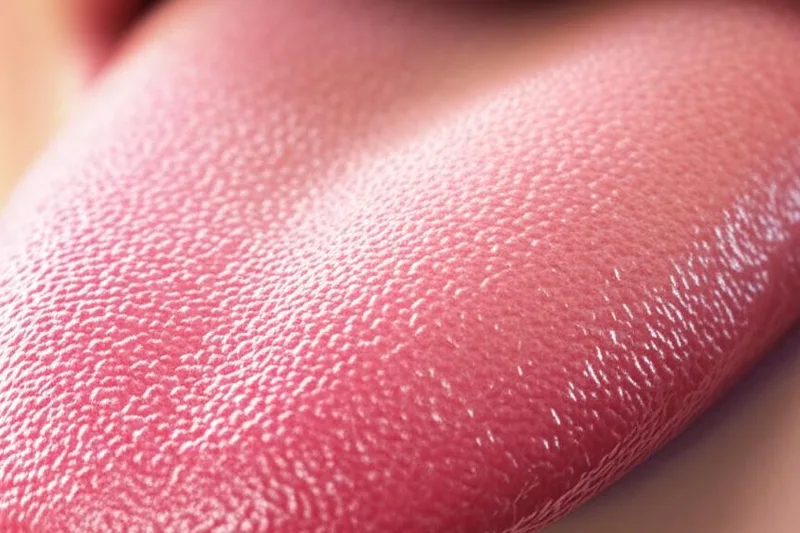
Simply put, taste buds are tiny, but very important sensory organs on our tongue. If you look at your tongue in a mirror, you will see that there are small, nut-like bumps on the tongue. Inside those bumps are the taste buds. We call these papillae . These taste buds tell us what the things we eat and drink taste like, whether they taste 'good' or 'bad'. This information is what makes eating food enjoyable and provides our bodies with the nutrients they need. Not only that, but when we put something in our mouth that is not suitable for eating, like spoiled milk or a piece of rotten meat, it is these taste buds that warn us, 'Oh, no, this is not it.'
Where are the taste buds located?
Most of the time, taste buds are all over our tongue . But to a lesser extent, they are also found on the roof of our mouth and in our throat. The taste buds on the tongue are those bumps that I mentioned earlier, called papillae. There are three types of papillae that contain taste buds:
- Fungiform papillae: These are located on the sides and tip of the tongue. There are approximately 1,600 taste buds on this area.
- Circumvallate papillae: These are located at the back of the tongue. They contain about 250 taste buds.
- Foliate papillae: These are located on the back of the tongue, on either side. There are about 20 of these papillae, each of which can contain hundreds of taste buds.
But there is a bit of a misconception that there are separate zones on the tongue for each taste. There are no such special zones. Taste buds for sweet, salty, bitter, sour and umami are scattered all over the tongue. However, some parts of the tongue are more sensitive to certain tastes . For example, the taste buds at the back of the tongue are very sensitive to bitter tastes. This is probably an evolutionary trait. Because poisonous substances often contain compounds that our taste buds perceive as bitter and unpleasant. So recognizing that something is unpleasant (and possibly dangerous) before swallowing it can save our lives.
What does a taste bud look like?
Think of it like the pith of a peeled orange, or like the bud of a rose, with lots of cells gathered together. That's what a taste bud looks like. At the top of this 'rose bud', there's a small opening called the 'taste pore' . This is where the things we eat and drink go in and connect with the taste cells inside.
What is the structure of a taste bud?
A taste bud is a collection of cells located within the papillae on the tongue that I mentioned. It has several main parts:
- Taste receptor cells: There are between 50 and 150 of these cells in a single taste bud. These cells contain receptors that extend upward into the taste pore. We call these upward-pointing fiber-like structures microvilli . These microvilli come into contact with the chemicals in the food we eat. These taste receptor cells are connected to the nerves that carry taste signals to the brain. The brain registers the chemical that comes into contact with these receptors as sweet, salty, etc.
- Basal cells: These are the basic cells that will become new taste receptor cells in the future, similar to stem cells. Our body makes new taste receptor cells about every 10 days .
- Supporting cells / Sustentacular cells: These cells are also found inside the taste buds, along with the taste receptor cells. However, even though they are present in the taste buds, they cannot detect taste. They act as support cells for other cells.
What are the main types of tastes perceived by the taste buds?
Our taste buds can detect five main types of tastes . They are:
- Sweet: Sweet foods often contain a type of sugar (e.g., sucrose, glucose, fructose, lactose). This includes things like honey, fruit, and ice cream.
- Salty: Salty foods contain both the salt we eat (sodium chloride) and minerals like magnesium and potassium. Think pretzels, chips, and movie theater popcorn.
- Bitter: Bitter foods can contain things like caffeine or compounds from plants. Bitter is a complex taste. Some people enjoy bitter foods like coffee and dark chocolate, while others don't.
- Sour taste: Sour foods like lemon and vinegar often contain some type of acid (acetic acid, citric acid, lactic acid).
- Umami: Umami is a taste that gives the impression of being meaty, or very rich, or delicious. Many foods that our taste buds perceive as umami contain a substance called glutamate. Examples of umami include tomatoes, asparagus, fish, mushrooms, and soy.
Your taste buds perceive these flavors in a combination. That's why the taste experience of food and drink is so complex. For example, a food may be mostly sweet, but it may also have some salty and umami flavors. Or a drink may be very bitter, but it may also have some sweetness. Think about it, when we eat a good chicken curry, it's the combination of many things like salty, spicy, and umami that make us feel that special taste.
How do taste buds work?
Taste buds work with olfactory receptors in our nose to give us the full flavor of a food. Imagine, when you chew food, your teeth and saliva in your mouth work together to break down the food. As you chew, chemicals in the food are released. These go to your taste buds. These chemical signals travel up the nasal passages and to the receptors in your nose. Then, when these signals from your nose and mouth come together, we get the full experience of the 'taste and smell' of a food. Imagine, when you close your nose and eat a food, the taste doesn't disappear completely, but the taste may change, or its intensity may decrease, right? Here's why.
That means, what we call 'delicious' is actually a combination of both taste and smell!
Not only that, but there are other types of cells in your mouth and throat that can sense how hot or cold a food or drink is. When you say 'hot', you mean temperature as well as spiciness. When you say 'cold', you mean temperature as well as some taste sensations, like mint or eucalyptus. It's the combination of many of these sensory cells that shapes the experience of what we eat and drink.
How many taste buds do we have?
An average adult has between 2,000 and 10,000 taste buds. As we age, the number of these taste buds decreases. This means that young children have more taste buds than adults. Also, the size and number of taste buds vary from person to person.
Because of these differences, even though everyone can taste the five main tastes, the way in which those tastes are perceived, that is, the perception and experience, can vary from person to person. The food you loved as a child may not be as appealing as you grow up. Similarly, the way you taste tastes can change over time as you grow older.
How big is a taste bud?
Taste buds come in all sizes. On average, one is about 30th of a millimeter in diameter and 16th of a millimeter in length. Can you imagine how small that is?
How long does it take for Rasa Naharika to be renewed?
New taste receptor cells are produced from those basal cells about twice a week (usually every 10 days). This means that our taste buds are constantly being renewed. However, as we age, the rate at which these new cells are produced can slow down, and the total number can also decrease. That's why the way we taste tastes changes at different times in our lives. The foods you like as an adult may be different from the foods you liked when you were younger. Also, your taste perception changes as you get older.
What are the common diseases and disorders that affect the taste buds?
There is a group of conditions that affect our ability to taste, which we call 'taste disorders' . Some of them are:
- Ageusia: Complete loss of the sense of taste.
- Dysgeusia: Distortion of the sense of taste (e.g., tasting something sweet as bitter).
- Hypergeusia: Exaggerated sense of taste.
- Hypogeusia: Decreased sense of taste.
- Phantom taste disorder: Persistent unpleasant taste in the mouth even when there is nothing in it.
Additionally, any of the following can affect your taste buds and make food taste different:
- Infections of the mouth or throat, including gingivitis.
- Inflammatory conditions in the mouth (swelling, redness).
- Vitamin B12 or zinc deficiency.
- Metabolic diseases such as diabetes mellitus or hypothyroidism.
- Neurological diseases such as Parkinson's disease and multiple sclerosis.
- Nerve damage.
- Gastroesophageal reflux disease, or chronic acid reflux (GERD).
- Smoking or chewing tobacco.
- Excessive alcohol consumption.
- Some medications, such as chemotherapy, for cancer treatment.
- Dry mouth.
- Burning tongue.
- Swelling of a taste bud.
How do we keep our taste buds healthy?
The good news is that your taste buds are constantly being repaired and replaced. This means that an injured taste bud will usually heal on its own. However, if damage continues, such as from repeated infections or smoking, the taste buds may stop healing and your ability to taste may be affected.
So, here are some things you can do to prevent damage to your taste buds:
- Do not use tobacco products. This is very important.
- Limit alcohol consumption.
- Keep your teeth, gums, and tongue clean. That means maintaining good oral hygiene.
- Let the food cool down a bit before eating. Don't burn your tongue by eating hot food in a hurry.
- Do not place extremely cold things like ice directly on your tongue.
If you take care of these little things, you can keep your taste buds healthy and enjoy a delicious meal every day.
Take-Home Message
Okay, so we've talked a lot about taste buds today, haven't we? Remember, these little organs are what help us taste food. They do this job in conjunction with the smell cells in our nose.
The taste buds are an amazing part of our body that is small but does a big job!
If you have a minor injury to your taste buds, there is nothing to worry about. It will usually heal within a week or two, and you will be able to enjoy food again. In the meantime, be careful not to burn your tongue by letting your food cool down before eating. In particular, avoid using tobacco products, as this can cause long-term damage to your taste buds.
So, for a delicious life, a healthy taste buds are very important!
` Taste buds, taste buds, taste of the tongue, sense of taste, types of taste, taste of food, tongue, smell, loss of taste, tongue diseases, papilla, umami


💬 Comments (0)
No comments yet. Be the first to share your thoughts here.
Add Your Comment