
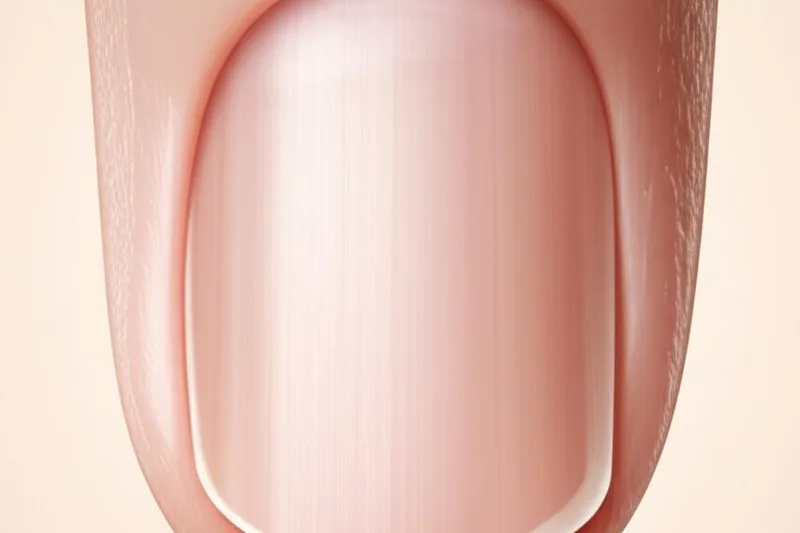
Have you ever wondered how those little nails on your hands and feet are formed? Have you ever wondered if they just grow up as part of the body, or if there is a special place and process for them? The answer to that question is the Nail Matrix . To be precise, this is the factory that makes your nails. Let's talk about this in detail today.
What is the Nail Matrix? Simply put...
Simply put, the nail matrix is where your fingernails and toenails start to grow. Think of it like a seed from which a plant grows. The nail matrix has two main parts:
1. Germinal Matrix
2. Sterile Matrix
These two components work together to build your nails and keep them healthy.
What happens to the nail matrix?
The main function of your nail bed is to produce new cells. These new cells are what gradually join together to become your nail.
- About 90% of your nail growth comes from the germinal matrix , which is the part that primarily contributes to nail growth.
- The remaining 10% of cells are made up of the sterile matrix . But this has another important function: to help your nail adhere and stay attached to the skin beneath it (the nail bed).
Think of it like building a brick wall. The germinal root provides a lot of bricks (cells) to push up. While providing a few bricks from the sterile root, it also helps the nail (nail) to fit snugly against the wall (skin).
What happens if the nail matrix is damaged?
Oh, yes. Accidents or certain diseases can damage your nail bed. If that happens, it can interfere with nail growth.
If there is minor damage:
Usually, if something minor happens, like a bruise or a cut, the appearance of the nail may change for a while. You may see things like this:
- A blood clot (bruise) under the nail - some say "the nail turned black."
- Ridges on the nail - can appear as stripes across or lengthwise.
- Dents on the nail .
- A change in the feeling when touching the nail .
If there is major damage:
Imagine, for example, that your finger got stuck in a door, or something heavy fell on your finger. If such a severe injury occurs, the nail can even come off . But don't worry, most of the time, once the nail root heals, a new nail will start to grow back. However, you will have to wait a few weeks for the new nail to grow out.
However, if the nail root is severely damaged , part or all of the nail may not grow back. This depends on the extent of the damage.
Where is the nail matrix located?
The germinal matrix of your nail is located just below the skin, where the nail begins . The sterile matrix is located directly beneath the nail . This means that we can't see much of the nail bed.
But, where your nail begins, some people have a white part that looks like a crescent moon, right? That's called the lunula . This lunula is the only part of the nail that we can see from the root. But not everyone can see this. It's okay if you don't see it, it's normal.
The Nail Matrix and Lunula are just parts of your nail system. There are also several other parts:
- Cuticle: The white or colorless skin where the nail begins. Many people cut this, but it's not a good idea.
- Lateral Nail Fold: The skin on either side of the nail.
- Nail Plate: This is the hard part we call the "nail".
- Nail Bed: The skin beneath the nail plate. This is where the nail is attached.
- Proximal Nail Fold: The skin below the cuticle, where the nail begins.
Do you know what the nail matrix is made of?
Your nail bed is made up of a special type of cell. The main job of these cells is to make new fingernails and toenails. Just imagine, it takes about 196 layers of cells to make just one nail! These layers come together to form your nail.
Unlike hair follicles, which produce hair, the nail matrix is constantly producing new nail cells. Hair follicles rest at certain times. But the nail matrix is not like that, it is constantly working!
What health conditions can affect the nail matrix?
Yes, some diseases and other factors can affect the nail bed. Let's see what they are:
- Fungal Infection: Some types of mold can cause infections, especially on the toenails. The nails can then become yellow, thick, cracked, or discolored. Sometimes we see that some people's toenails are yellow and thick. That's it.
- Illnesses: A major illness like a heart attack, or an illness like COVID-19 or pneumonia , can disrupt the growth of new nails, causing Beau's lines to appear across the nails.
- Injuries: If a finger gets stuck somewhere, gets hit hard, or something heavy falls on the foot, the nail bed can be injured. This can cause blood clots under the nail, streaks, and discoloration. The nail may even come off. Some injuries can also lead to nail infections.
- Medications: Cancer medications like chemotherapy and some other medications can temporarily affect the nail bed. This can lead to Beau's lines , slow nail growth, and Mees' lines (white lines across the nail) and discoloration of the nail. However, these changes often go away once the medication is stopped.
- Peripheral Artery Disease (PAD): This disease reduces blood flow to the legs and feet. When blood flow is reduced in this way, it also affects the nail roots. This can slow down the growth of nails.
Additionally, some skin diseases and other medical conditions can also affect the nail bed. For example:
- Eczema: If eczema is severe, it can affect the nail bed and temporarily interfere with nail growth. This can lead to Beau's lines , pitting, and changes in the texture and color of the nail.
- Psoriasis: About 80% of people with psoriasis develop a condition called nail psoriasis . This can cause white streaks, pitting, and brittleness of the nails.
- Subungual Melanoma: This is a very dangerous condition. Subungual Melanoma is a type of skin cancer that occurs at the base of the nail. The main sign of this is a brown or black spot or line on one of the nails. If you notice this kind of discoloration on one of your nails, you should definitely see a doctor.
What are the common symptoms of a nail matrix problem?
If you notice any changes in the appearance or texture of one or more of your nails, it could be a sign of a problem with the nail bed. If the nail bed is damaged, or if you have a condition that affects the nail bed, you may notice things like these on your nails:
- Large or small dents.
- Horizontal ridges or lines .
- Pain or aching .
- Cracking or peeling nails .
- Colored spots or stripes .
- A change in the appearance of the nail , for example, thickening or crumbling.
It can sometimes be difficult to tell if it's just a change or if it needs treatment. So, if you notice any changes in your nails, whether on your hands or feet, it's best to see a doctor for advice . That way, the cause can be identified and treatment can be given if necessary.
How do I know if my nail matrix is damaged?
Not all nail changes mean that the nail root has been damaged. Some nail problems may affect the nail bed, nail plate, or the skin around the nail (nail folds) rather than the nail root.
Therefore, only your doctor can tell you for sure whether this is a problem with the nail bed or something else. If you notice any changes in your nails, from a small discoloration to streaks or lines, let your doctor know.
How to treat nail matrix problems?
Treatment for a condition at the base of the nail depends on the cause. For example:
- Medication: Toenail fungus infections are usually treated with antifungal pills prescribed by your doctor. If you have nail psoriasis , there are medications that can help control the condition. These can be pills, injections, or topical treatments, depending on your needs.
- Relieving nail injuries: If you have a bruise under your nail, there is a procedure that can be done to remove the blood clot. This is called nail trephination . This can help reduce pain and help the new nail grow properly. However, this should be done within 48 hours of the injury, before the blood clot forms.
- Surgery: A condition like subungual melanoma must be removed surgically. First, the doctor will take a biopsy , which is a tissue sample, to diagnose the condition. If melanoma is confirmed, the affected area at the nail base and under the nail will be surgically removed. If the cancer has spread, other treatments, such as chemotherapy or radiation, may be needed.
How do I care for my nail matrix?
Accidents are possible. So, you may not always be able to prevent nail root injuries. However, you can do the following to help prevent nail root problems:
- Trim your nails properly: Trim your toenails straight across. This will help prevent ingrown toenails. Trim your fingernails so that the corners are slightly rounded. But never cut them too short . Do not cut or push back the cuticles, whether at home or at a salon. This can lead to infection.
- Manage health conditions: If you have a condition that can affect your nails, such as psoriasis , see a doctor regularly to manage it.
- Reduce the risk of foot fungus: Avoid walking barefoot in public bathrooms and locker rooms. These are places where fungus can spread. Change out of wet shoes and socks as soon as possible.
- Protect your hands: If you work with any tools or machinery, be aware of pinch points. Wear gloves if your company recommends it. If you work with chemicals, be sure to wear gloves.
- Treat nail changes or injuries: See a doctor if your nails change color, have pits, ridges, lines, or a change in texture.
- Wear appropriate footwear: If you play sports, wear shoes that are appropriate for the sport and the right size for you. When your shoes wear out and hurt your feet, get new ones. Avoid wearing tight shoes . If you work in heavy lifting or construction, wear steel-toe boots to protect your toes.
The most important thing to remember (Take-Home Message)
Your nail matrix is like your body's "factory" for making new fingernails and toenails. Some injuries and illnesses can damage this nail matrix, affecting the way your nails look and grow.
However, with the right treatment, you can often see healthy nails grow back . Even if your nail falls off, it will grow back if you get proper medical care.
It is very rare for the nail bed to be permanently damaged and the nail to never grow back. However, if this happens, ask your doctor if you should protect your finger while doing physical activities. Over time, you will get used to being without a nail. Remember, you can live a full, active life without a single nail on your hand or foot. So don’t worry about it. Anything can be resolved by talking to your doctor.
` Nail root, nails, nail health, nail disorders, nail fungus, nail care, nail matrix


💬 Comments (0)
No comments yet. Be the first to share your thoughts here.
Add Your Comment