

Have you ever wondered how your teeth are so strong? Who protects our teeth from the things we eat and drink, from cold and hot things? That's why our teeth have a very special, very strong protective layer called 'Enamel'. This enamel is like a hero for our teeth. Let's talk about this hero of ours today.
So what is this enamel?
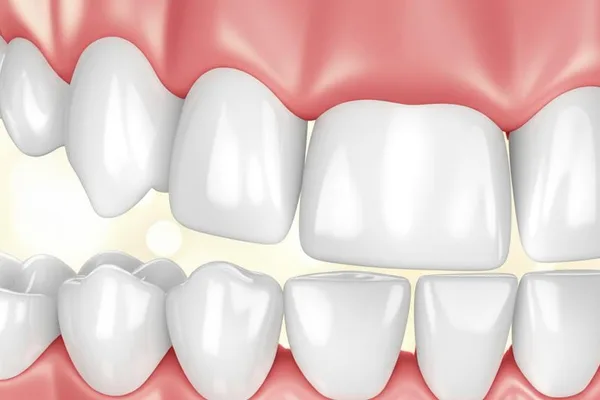
Simply put, enamel is a very strong protective coating on the top of your tooth. The part of the tooth that you can see in the mirror (that is, the part above the gum), which we also call the tooth crown, is what this enamel is located around. Surprisingly, this enamel is the strongest substance in our body! Yes, it is stronger than your bones! Can you imagine its strength? But even though it is so strong, it can still be damaged if you are not careful.
What is the main function of enamel?
The main job of enamel is to protect the sensitive parts inside our teeth – the layer of dentin beneath the tooth cavity and the tooth pulp inside – from various types of damage. Let's take a look at what it protects against:
- Tooth decay (cavities): Teeth are destroyed by acids produced by bacteria that combine with the sugar in the foods we eat.
- Erosion / wear and tear: Teeth wear down due to certain foods and drinks, such as chewing gum.
- Infection: Infection occurs when germs enter the tooth.
- Teeth sensitivity: This refers to the strange tingling sensation in the teeth when eating or drinking something hot, cold, or sweet.
What is enamel made of?
Isn't it amazing that something this strong is so strong? Enamel is made up of mostly, 95%, minerals called calcium and phosphorus . These minerals combine to form very strong little crystal-like structures, which we call ``crystallites.'' The rest, about 4% water and 1% protein, make up enamel.
How does the enamel look?
Enamel is actually semi-translucent . That means it's neither completely transparent nor completely opaque, just barely letting light through. The color of the layer of dentin underneath the enamel actually determines the color of our teeth. It can range from grayish white to light yellow. So, the combination of enamel and dentin gives your teeth that beautiful, unique color.
What causes tooth enamel to wear away?
However, even though it is so strong, enamel can wear away over time. That's when the problems begin. Let's take a look at the main reasons why enamel wears away:
- Environmental factors: Just teeth grinding together, the pressure we put on things when we chew, and the wear and tear that comes with everyday use of our teeth.
- Teeth grinding or clenching (`Bruxism`): Some people grind their teeth in their sleep, don't they? Or they clench their teeth during the day without even realizing it. That's not good for the enamel either, and it can wear away over time.
- Sugary drinks: Frequent consumption of sugary drinks like soda and packaged fruit drinks. The sugar in these drinks combines with bacteria in the mouth to form acids, which dissolve enamel.
- Foods high in sugar or starch: Eating sweets, biscuits, cakes, and other foods high in starch (like bread and rice) too often is also harmful to enamel.
- Acidic foods: Eating too much of sour candies, vinegar-based foods, and certain fruits (like lemons and oranges) can also damage enamel.
- Certain medications: Some medications can also damage enamel as a side effect. If you are taking any medication for a long time, talk to your doctor about it.
- Dry mouth (`Xerostomia`): When saliva production in the mouth decreases, the enamel is less protected. Saliva neutralizes the acids in the mouth and removes food particles.
- GERD (gastroesophageal reflux disease) or similar gastrointestinal problems: The harsh acid in the stomach can damage the enamel of the teeth by coming up into the throat and mouth.
- Bulimia nervosa: This is a mental illness related to eating. In this condition, the self-induced vomiting causes the enamel to wear away rapidly as stomach acids hit the teeth.
- Genetics: Some people are born with thin enamel, which can cause their enamel to wear away more quickly than others.
What happens if the enamel wears away completely?
Imagine what happens if the tooth's protective layer is lost? When the enamel wears away, the sensitive dentin layer inside the tooth is exposed. Then, it comes into direct contact with the things we eat and drink. This greatly increases the risk of cavities. In addition:
- Tooth sensitivity increases: Even drinking a little cold water, eating a piece of ice cream, or drinking a hot cup of tea can cause your teeth to become unbearably numb.
- The color of the teeth may change: As the enamel wears away, the yellow color of the underlying dentin becomes visible.
- There is also a higher chance of stains forming on the teeth.
- The edges of the teeth may become rough and broken.
Dentists can repair small cavities. But if left untreated, even small cavities can grow larger and develop into serious infections and painful tooth abscesses. That's why it's important to see a doctor as soon as you notice a small change in your tooth, numbness, or discoloration.
Does tooth enamel regrow?
This is a question that many people ask. No, if your enamel is completely worn away, it will not grow back. Enamel is not made from cells in our bodies, so it cannot grow back. But don't worry. Your dentist can put a dental crown over your tooth to protect it from further damage.
So, can damaged enamel be restored?
Although it is not possible to restore enamel that has been completely lost, dentists can strengthen and remineralize enamel that has been damaged, that is, slightly worn or weakened. Fluoride treatment is the main method used for this.
Let's learn a little about fluoride treatment.
Fluoride is a naturally occurring mineral. It is found in some of the foods we eat and in our water (and in some areas, fluoride is added to water). It can be taken as a tablet, or a dentist can apply a concentrated fluoride gel or varnish directly to your teeth. Dentists use fluoride to naturally restore tooth enamel, making it stronger and more resistant to decay and other damage. This is especially important for young children's teeth.
How can I take good care of my tooth enamel?
The best thing to do is to protect your enamel before it gets damaged, right? "Prevention is better than cure," that's what we say. Let's see what we can do to keep our enamel strong and healthy. Follow these tips to maintain proper oral hygiene:
- Brush your teeth at least twice a day for two minutes. This removes plaque, tartar, and bacteria from the surface of your teeth, reducing the risk of enamel erosion. If you are unsure about how to brush your teeth properly, ask your dentist.
- Floss between your teeth once a day. Flossing is just as important as brushing to remove small pieces of food, dirt, and bacteria that get stuck between your teeth where your toothbrush can't reach.
- Use toothpaste that contains fluoride. There are various types of toothpaste on the market. Choose one that contains fluoride. This helps strengthen your enamel and remineralize it daily. When choosing a toothpaste, look for the ADA (American Dental Association) Seal of Acceptance. This means that the product has been tested and approved by dental experts to be safe and effective. (In Sri Lanka, you can also look for recommendations from organizations like SLDA).
- Use a soft-bristled toothbrush. Avoid medium and hard-bristled ones. They are too harsh and can actually wear away your enamel. Brush your teeth slowly and gently. Even with a soft toothbrush, brushing too hard can damage your enamel.
- Use a straw when drinking acidic beverages (such as soda and sugary drinks). This will help reduce the amount of alcohol that comes into contact with your teeth. It is also a good idea to rinse your mouth with water after drinking.
- Stay hydrated. Drinking water throughout the day helps wash away dirt, bacteria, and food particles from your mouth. Proper hydration can also help reduce the risk of enamel loss in people with dry mouth.
- Treat underlying medical conditions. If you have conditions like dry mouth (xerostomia), GERD, or bulimia nervosa, it is important to get them properly treated.
- If you grind your teeth in your sleep (bruxism), wear a mouth guard. These are available over-the-counter (OTC) at pharmacies and supermarkets. Or a dentist can make you a mouth guard that fits your teeth exactly.
- Chew sugar-free gum. This increases saliva production in the mouth. Saliva helps keep enamel healthy.
- Ask your dentist about dental sealants. Dental sealants are thin, plastic-like coatings that are applied to the chewing surfaces of your teeth, especially the grooves in your back teeth (molars). Like little raincoats, they protect your teeth from decay, tartar, and harmful bacteria.
- See your dentist regularly, at least once a year. Keep your teeth and gums healthy by visiting your dentist for regular cleanings and checkups.
Does Teeth Whitening Damage Enamel?
This is also a problem for many people. If done correctly, under the guidance of a dentist, teeth whitening will not damage your enamel. However, some teeth whitening products, especially those used without medical advice, can damage your teeth and make them dry. If you are interested in whitening your teeth, it is best to talk to a dentist about it and find out which products are suitable and safe for you, and what method is best.
Final Take-Home Message
So, even though enamel is the strongest substance in our body, you now know that it can wear away if not taken care of properly, right? It is this enamel that protects our teeth from tooth decay, wear, and various infections.
The best way to protect enamel is to prevent it from getting damaged before it happens. That means practicing good oral hygiene habits and seeking regular dental care.
Your dentist can recommend fluoride products that are right for you, and also teach you how to strengthen your tooth enamel at home. So, start taking care of this today to keep your beautiful smile and strong teeth forever, okay? Your teeth will thank you!
` Tooth enamel, enamel, dental health, tooth decay, fluoride, oral health, dental protection




💬 Comments (0)
No comments yet. Be the first to share your thoughts here.
Add Your Comment