
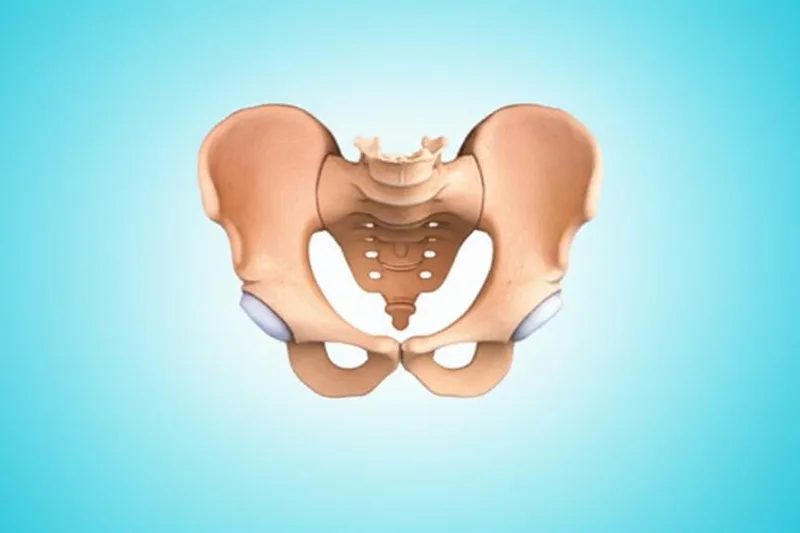
Gynecoid Pelvis... When you hear this name, you might think that this is some kind of serious disease or a complex medical condition. But it's actually nothing to be afraid of. This refers to a specific shape of our pelvic floor, that is, the hip bone system (some also call it the 'thigh bone'). Just think, just as our facial shapes and heights vary from person to person, the shape of women's pelvic floor, or what we simply call the pelvis, can also vary. So today, let's talk about this in a little more detail, okay?
What exactly is a Gynecoid Pelvis?
Simply put, if you have a gynecoid pelvis, it means that the bone structure of your pelvis is round and wide . This is one of the most common pelvic shapes seen in women.
Your pelvis is the set of bones in your lower abdomen, between your lower back and your thighs. Generally speaking, a woman's pelvis is slightly lower and wider than a man's pelvis. Biologically, this bone structure is what provides the best space for the fetus during pregnancy, labor, and delivery.
How common is this gynecoid pelvis? Is it normal?
Yes, a gynecoid pelvis is completely normal . It's one of the four main pelvic shapes. According to researchers, about 50% of women have this type of pelvis. However, it's not as common among men.
What are the main shapes of the pelvis?
Doctors classify pelvic shapes mainly based on differences in the upper part of the pelvis, called the `pelvic inlet`. There are four main types of shapes:
- Android Pelvis: This is the most common pelvic shape seen in men. It is more conical or wedge-shaped than the gynecoid pelvis. It is wider at the top and narrows towards the bottom. Among women, this shape is more likely to be seen if you are a bit taller.
- Anthropoid Pelvis: This pelvis is oval in shape , slightly narrower than other shapes. People with this type of pelvis may have longer muscles in the buttocks than those with a gynecoid pelvis.
- Gynecoid Pelvis: This is the pelvis we are talking about. It has a wide, round shape . It is the most common shape seen in women. It is the most suitable for vaginal childbirth of all the other pelvic shapes.
- Platypelloid Pelvis: This is a pelvis that is flat in shape . It can be very wide, but is often shallow. This is the rarest pelvis shape . About 5% of women have this type of pelvis.
How does the shape of the pelvis affect childbirth?
Now you may be wondering, what does the shape of the pelvis have to do with childbirth? The upper part of the pelvis, called the pelvic inlet, is like the entrance to the birth canal. So, depending on its shape, it can be determined whether the baby will come out easily or not.
- Gynecoid Pelvis: Those with this can generally expect an easier, smoother childbirth .
- Android Pelvis: This is narrow, making it difficult for the baby to come out. Therefore, a cesarean section (C-section) may be necessary.
- Anthropoid Pelvis: Although narrower than the gynecoid pelvis, it is possible to have a natural birth. However, labor pains may last longer than those with a gynecoid pelvis. Changing positions during labor can help these women have an easier birth.
- Platypelloid Pelvis: People with this shape can have a very difficult time giving birth naturally. They often have to undergo a C-section.
Important: But remember, it's not just the shape of the pelvis that affects childbirth. There are many other factors. We'll talk about that later.
What are the main functions of a gynecoid pelvis?
The main function of a gynecoid pelvis is to support natural childbirth. However, in addition, any pelvis performs several other important functions:
- They help us walk, run, sit, and stand.
- The pelvis connects our legs to our torso.
- It protects the important organs inside the pelvis, such as the bladder, uterus, cervix, rectum, and vagina.
Where exactly is a gynecoid pelvis located? What does it look like? What is its structure like?
The pelvis is located in your lower abdomen, between the lower back and the top of your thighs. The gynecoid pelvis is wider, rounder, and more oval-shaped than other types.
But the most important thing is, you can't tell what shape your pelvis is by looking at it . Usually, the shape of your pelvis can only be determined through radiological tests like an X-ray.
The pelvis is made up of several bones. These bones are connected by flexible tendons (`tendons`). These tendons help the pelvis to move to accommodate the baby during childbirth.
Are there any common diseases and conditions that affect the pelvis?
Yes, there are various medical conditions that can affect our pelvis. Some of them are:
- Osteitis pubis: This is a painful inflammation of the joint where the right and left bones of the pelvis meet. This can often occur in people who engage in repetitive activities, such as those who play sports.
- Pelvic floor dysfunction: In this condition, the muscles in the pelvis are not coordinated properly, making it difficult to go to the bathroom or to control urination and defecation.
- Pelvic fracture: A break in one or more bones in the pelvis. This is often caused by trauma. Surgery may be required.
- Pelvic organ prolapse: The organs in the pelvis fall out of their normal position. They may even come out through the vagina. This is often caused by weakening of the pelvic muscles (due to childbirth, aging, or frequent straining).
- Sacroiliitis: Painful swelling of the sacroiliac joints, which connect the pelvis and lower back. This is more likely to occur if you are pregnant or have an inflammatory condition such as arthritis.
What are the common symptoms of pelvic diseases?
Diseases that affect the bones, joints, or muscles of the pelvis may cause symptoms such as:
- Chronic pelvic pain.
- Difficulty controlling urine.
- Feeling of heaviness or pressure in the pelvic area.
- Pain during sexual intercourse (dyspareunia).
- Painful or frequent urination.
- Abnormal vaginal discharge or bleeding.
If you have these symptoms, be sure to see a doctor . They can then determine exactly what the problem is and provide you with treatment that will provide you with relief.
What are the treatments for these conditions?
Depending on your diagnosis, a treatment plan for a pelvic condition may include:
- Lifestyle changes: Simple things like drinking more water and eating more fiber can help improve pelvic health. Regular exercise, quitting smoking, and maintaining a healthy weight for you can also be part of your treatment plan.
- Medication: Your doctor may prescribe painkillers (OTC or prescription) for persistent pain. If pelvic pain is more severe during certain times of the menstrual cycle, you may also consider using hormonal birth control.
- Pelvic floor physical therapy: A physical therapist helps strengthen or stretch the pelvic muscles. This can reduce pain and improve urinary control. It may also include a treatment called biofeedback.
- Pessaries: If you have prolapse and don't want to have surgery, you can use a pessary to support your pelvic organs. This is a small, removable device that is inserted into the vagina.
- Trigger point injections: Sometimes the cause of pain can be sensitive areas in the muscles (trigger points). The doctor can relieve the pain by injecting medicine into those areas.
- Joint injections: If your joints are swollen and painful, your doctor may give you a steroid injection (an injection containing a corticosteroid) into the joint. This can help reduce pain for several weeks or months.
- Surgery: Surgery may be necessary if you have severe symptoms of a pelvic condition. For example, surgery is done to correct a pelvic organ prolapse. However, doctors often recommend surgery only if other treatments have failed.
What are some simple things we can do to keep the pelvis healthy?
Many things that are good for our overall health are also good for our pelvic health. Your doctor may recommend things like:
- Maintain a healthy weight that suits your body type and age.
- Reduce or stop caffeine and alcohol consumption.
- Eating a balanced diet that includes fruits, vegetables, whole grains, lean protein, and healthy fats.
- Urinating at least every two to four hours .
- Exercise regularly (at least 150 minutes of moderate activity per week).
- Practicing pelvic floor muscle strengthening exercises, such as Kegels.
- Quitting smoking.
What should the size of the pelvis be for a normal delivery?
People with gynecoid and anthropoid pelvic shapes are often able to have a natural birth easily. However, many other factors affect whether a normal birth will occur or not:
- Dilation of your cervix.
- The flexibility of your pelvic joints and tendons.
- Problems such as umbilical cord prolapse or changes in the baby's heartbeat.
- The baby's position (e.g. transverse or breech).
- Your health history (e.g. whether you have had a previous C-section).
- The position you will be in during labor (e.g., sitting, standing, breech).
How do I know exactly what shape my pelvis is?
Although there are quizzes for almost everything on the internet, there is no way to know what shape your pelvis is without the help of a medical professional. A gynecologist can determine your pelvic shape through a pelvic exam. Or it can be determined through radiological tests such as an X-ray.
Finally, I have to say... (Take-Home Message)
Okay, so now you probably understand that a gynecoid pelvis is just one of the pelvic shapes. If you have this shape, it may be a little easier to have a natural birth. But, let's say you don't have a gynecoid pelvis, there's no need to worry about that. There are four types of pelvic shapes, and people are born with all of them.
The most important thing is, if you have any questions or concerns about your pelvic shape, be sure to talk to your doctor . Your doctor will explain to you how your pelvic shape can affect your delivery, especially if you are pregnant. Don't be afraid to ask, because this is about your health.
` Gynecoid Pelvis, Pelvis, Childbirth, Women's Health, Pelvic Shape, C-section, Pelvic Pain


💬 Comments (0)
No comments yet. Be the first to share your thoughts here.
Add Your Comment