
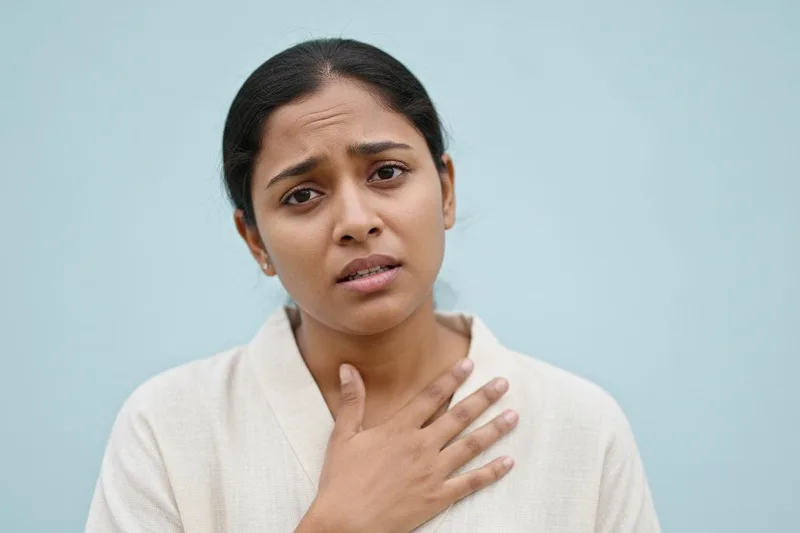
Are you also suffering from chest pain, frequent cough, and fever these days? Sometimes we think these are just a cold or a mild fever, but it can be something more serious. Today, we are going to talk about a disease called pneumonia that affects our lungs. Don't worry, if we are properly informed about this, we can protect ourselves to a great extent and recover quickly if it comes.
What is pneumonia? Simply put...
Simply put, pneumonia is an infection of your lungs . This infection can be caused by bacteria , viruses , or, very rarely , fungi . This infection causes your lung tissue to swell, or become inflamed . Sometimes the lungs can fill with fluid or pus.
Pneumonia caused by bacteria is usually more severe than pneumonia caused by viruses. Viral pneumonia often resolves on its own. Pneumonia can affect just one lung, or it can affect both lungs. When it affects both lungs, it is called bilateral or double pneumonia .
What is the difference between viral and bacterial pneumonia?
Now you might be wondering what the difference is between the two. In fact, all pneumonias involve an infection and swelling of the lungs. However, the symptoms may vary slightly depending on the type of germ (bacteria, virus, or fungus) that caused it.
Bacterial pneumonia is the most common type of pneumonia, and it can be quite severe. It may even require hospitalization. Doctors treat it with antibiotics .
Viral pneumonia often presents with symptoms similar to a cold. It usually resolves without any specific treatment.
What are the main types of pneumonia?
We classify pneumonia by the pathogen that caused it (i.e. virus, bacteria or fungus) and by how you got it. That is, whether you got it from the community, in a hospital, or while on a ventilator.
1. Community-acquired pneumonia (CAP)
If you get pneumonia in a community setting, such as at home or at work, rather than in a hospital or healthcare facility, it is called community-acquired pneumonia (CAP) . This can be caused by:
- Bacteria: The most common cause is the bacterium Streptococcus pneumoniae . It can also cause ear infections, sinus infections, and meningitis. Pneumonia caused by the bacterium Mycoplasma pneumoniae is usually less severe. It can also be caused by bacteria Haemophilus influenzae , Chlamydia pneumoniae, and Legionella (which causes Legionnaires' disease).
- Viruses: Viruses such as the common cold, influenza , COVID-19, and respiratory syncytial virus (RSV) can sometimes cause pneumonia.
- Fungi/molds: Fungi such as Cryptococcus , Pneumocystis jirovecii , and Coccidioides rarely cause pneumonia. People with weakened immune systems are often at higher risk of developing pneumonia due to fungi.
- Protozoa: Very rarely, protozoa like Toxoplasma can also cause pneumonia.
2. Hospital-acquired pneumonia (HAP)
If you get pneumonia while you're in the hospital for another illness or surgery, it's called hospital-acquired pneumonia (HAP) . It's usually a little more serious than community-acquired pneumonia. This is because it's often caused by bacteria that are resistant to antibiotics. For example , methicillin-resistant Staphylococcus aureus (MRSA) . This means that HAP can make you sicker and harder to treat.
3. Healthcare-associated pneumonia (HCAP)
This type of pneumonia can occur in long-term care facilities, such as nursing homes, or in outpatient clinics where patients receive long-term care. Like hospital-acquired pneumonia, it is often caused by bacteria that are resistant to antibiotics.
4. Ventilator-associated pneumonia (VAP)
If you have to use a breathing machine to help you breathe in the hospital (often in the intensive care unit (ICU), you are at risk of developing this type of pneumonia called VAP . It can be caused by bacteria that cause community-acquired pneumonia, as well as antibiotic-resistant bacteria that cause hospital-acquired pneumonia.
5. Aspiration pneumonia
If something like food, liquid, saliva, or vomit gets into your windpipe and enters your lungs, that is, if it gets stuck in your throat (aspiration) , and you can't cough it out, you can get a lung infection. This is called aspiration pneumonia .
How do I know if I have pneumonia, a common cold, or the flu?
It can be difficult to tell the difference between a cold, the flu, and pneumonia. Only a doctor can tell you exactly what you have. Pneumonia can be a life-threatening illness, so it's important to seek medical attention if you have any of these serious symptoms :
- Chest tightness or pain.
- Difficulty breathing.
- A fever of 38.88 degrees Celsius (102 degrees Fahrenheit) or higher.
- Yellow, green, or bloody mucus discharge.
Remember, if you have any of these symptoms, see a doctor immediately.
Who is most at risk of developing pneumonia?
You are at higher risk of developing pneumonia if :
- If you are over 65 years old or under 2 years old.
- If you have a lung disease (e.g., cystic fibrosis , asthma , chronic obstructive pulmonary disease ( COPD), emphysema , pulmonary fibrosis , sarcoidosis ) or heart disease.
- If you have a neurological condition that causes difficulty swallowing (e.g. dementia , Parkinson's disease , stroke ). These people are at higher risk of developing aspiration pneumonia .
- If you are in a hospital or long-term care facility.
- If you are a smoker.
- If you are pregnant.
- If your immune system is weak (for example, if you are receiving chemotherapy , have had an organ transplant, have HIV/AIDS , or are taking medications that suppress the immune system).
How common is pneumonia?
Anyone can get pneumonia. It's a very common disease. In the United States alone, millions of people get pneumonia each year. And, about 55,000 people die from pneumonia each year in the United States. Pneumonia is the leading cause of death in developing countries.
What are the symptoms of pneumonia?
Symptoms of pneumonia vary depending on the cause. Symptoms can range from mild to severe. Babies, young children, and the elderly may show different symptoms.
Symptoms of bacterial pneumonia
Symptoms of bacterial pneumonia can come on gradually or suddenly. They include:
- High fever (up to 40.55 degrees Celsius or 105 degrees Fahrenheit).
- Coughing up yellow, green, or bloody phlegm.
- Fatigue.
- Rapid breathing.
- Difficulty breathing.
- Rapid heartbeat.
- Sweating or feeling cold.
- Chest and/or abdominal pain, especially when coughing or taking a deep breath.
- The food is tasteless.
- Blue discoloration of the skin, lips, or fingernails (Cyanosis) .
- Confusion or change in mental status.
Symptoms of viral pneumonia
Symptoms of viral pneumonia usually develop gradually over several days. You may have symptoms similar to those of bacterial pneumonia, or you may also have:
- Dry cough.
- Headache .
- Muscle pain.
- Severe fatigue or weakness.
Symptoms of pneumonia in young children
Babies and newborns may not show any symptoms of pneumonia, or their symptoms may be different from those of adults. These include:
- Fever, chills, general discomfort, sweating/redness of the skin.
- Cough.
- Difficulty breathing or rapid breathing (Tachypnea) .
- The food is tasteless.
- Vomiting.
- Lack of energy.
- Restlessness or frequent crying.
You may see things like this in babies and young children:
- A wheezing or snorting sound when breathing.
- Decreased urination or fewer wet diapers.
- Pale skin.
- Lifeless body.
- Crying more than usual.
- Difficulty drinking milk.
Symptoms of pneumonia in people over 65 years old
People over 65 or those with weakened immune systems may have milder or fewer symptoms of pneumonia (such as cough and shortness of breath). They may also have worse symptoms of existing health conditions. Older people may experience:
- A sudden change in mental state.
- The food is tasteless.
- Tired.
What are the causes of pneumonia?
Pneumonia occurs when your immune system fights an infection that has entered the tiny air sacs (alveoli) in your lungs. This causes your lungs to swell and begin to leak fluid.
Many types of bacteria, viruses, and fungi can cause pneumonia. Bacteria are the most common cause of pneumonia in adults, and viruses are the most common cause of pneumonia in school-age children. Some common illnesses that can lead to pneumonia include:
- Common cold (Rhinovirus) .
- Covid-19 (SARS-COV-2) .
- Flu (Influenza virus) .
- Human metapneumovirus (HMPV) .
- Human parainfluenza virus (HPIV) .
- Legionnaires' disease .
- Mycoplasma pneumonia bacteria.
- Pneumococcal disease .
- Pneumocystis pneumonia.
- Respiratory syncytial virus (RSV) .
Is pneumonia contagious?
Pneumonia is not actually contagious. However, the bacteria and viruses that cause it are contagious . For example, the flu is contagious, and that flu can also cause pneumonia. However, not everyone who gets the flu gets pneumonia.
The most common cause of pneumonia , Streptococcus pneumoniae , can be spread from one person to another by touching infected surfaces or through droplets released when an infected person coughs or sneezes.
Fungal pneumonia is not contagious. Unlike fungal infections, viruses, and bacteria, it is not spread from person to person.
How is pneumonia diagnosed?
To diagnose pneumonia, a doctor will ask about your health history and do a physical exam. He or she will listen to your lungs with a stethoscope . In addition, other tests may be done or ordered. These may include imaging tests such as a chest X-ray , checking your oxygen levels with a pulse oximetry (a blood oxygen level measurement) , blood tests, or sputum tests .
Sometimes, even if your doctor confirms that you have pneumonia, they may not be able to find the exact cause.
What tests are used to diagnose pneumonia?
Your doctor may do tests to check your lungs for signs of infection, measure how well your lungs are working, and examine blood or other body fluids to find the cause of your pneumonia, such as:
- Imaging: A chest X-ray or CT scan may be used to take pictures of your lungs and look for signs of infection.
- Blood tests: Blood tests can help determine what type of infection is causing your pneumonia.
- Sputum test: You will be asked to cough up and put some sputum into a container. It will be sent to a lab to be tested for signs of infection and to determine what is causing it.
- Pulse oximetry: This test measures the amount of oxygen in your blood and can give your doctor an idea of how well your lungs are working.
- Pleural fluid culture: Your doctor uses a thin needle to take a small sample of the fluid around your lungs. The sample is sent to a lab to help find the cause of the infection.
- Arterial blood gas test: To find out how well your lungs are working, a blood sample is taken from your wrist, arm, or groin and the oxygen level in your blood is measured.
- Bronchoscopy: In some cases, your doctor may use a thin, lighted tube called a bronchoscope to look inside your lungs. He or she may also take tissue or fluid samples to test in a lab.
How is pneumonia treated?
The treatment for pneumonia depends on the cause (bacterial, viral, or fungal) and how serious your condition is. Since the cause is often unknown, treatment focuses on controlling symptoms and keeping your condition from getting worse.
Some treatment options may include:
- Antibiotics: Bacterial pneumonia is treated with antibiotics. They won't treat a virus, but your doctor may prescribe them if you have a bacterial infection along with a virus.
- Antifungal medications: Pneumonia caused by a fungal infection can be treated with antifungal medications.
- Antiviral medications: Viral pneumonia is not usually treated with medication, and it may go away on its own. To reduce the length and severity of your illness due to a virus, your doctor may prescribe antiviral medications such as Oseltamivir (Tamiflu®) , Zanamivir (Relenza®) , or Peramivir (Rapivab®) .
- Oxygen therapy: If you are not getting enough oxygen, your doctor may give you extra oxygen through a tube placed in your nose or a mask worn on your face.
- Intravenous fluids (IV fluids): Fluids given directly into a vein (IV) are used to prevent dehydration or to treat dehydration if it occurs.
- Fluid removal: If a lot of fluid has accumulated between your lungs and chest wall ( pleural effusion ), your doctor may be able to remove it. This can be done with a catheter or surgery.
Does pneumonia go away on its own?
Viral pneumonia often resolves on its own. However, you should always follow your doctor's instructions to treat your symptoms and reduce the risk of serious complications.
How do I manage the symptoms of pneumonia?
Over-the-counter medications and things you can do at home can help you feel better and manage the symptoms of pneumonia:
- Pain relievers and fever reducers: Your doctor may prescribe medications such as ibuprofen (Advil®) and acetaminophen (Tylenol®) for body aches and fever.
- Cough suppressants: Ask your doctor before taking cough suppressants for pneumonia. Coughing is important for clearing your lungs.
- Breathing treatments and exercises: Your doctor may prescribe these treatments to loosen mucus and help you breathe.
- Using a humidifier: Your doctor may recommend keeping a small humidifier near your bed or taking a steamy shower or bath. This can help make breathing easier.
- Drink plenty of water.
How soon will I feel better after treatment for pneumonia?
How quickly you feel better depends on these things:
- your age.
- The cause of your pneumonia.
- The severity of your pneumonia.
- Whether you have other health conditions or complications.
If you are a healthy person with no other illnesses, most symptoms of bacterial pneumonia usually start to improve within 24 to 48 hours of starting treatment. For viral pneumonia, you may start to feel better within a few days of starting treatment. Some symptoms, such as cough and fatigue, may last for several weeks.
How long will I be contagious if I have pneumonia?
If you have bacterial pneumonia, you are no longer considered contagious after your fever has subsided and you have been taking antibiotics for at least two days. If you have viral pneumonia, you are still considered contagious until you feel better and have been fever-free for a few days.
What should I expect if I have pneumonia?
If you are a healthy person with no other illnesses, you can recover from pneumonia quickly if you get treatment quickly. However, if left untreated, especially if you have other underlying health conditions, pneumonia can be life-threatening.
Even people who have successfully treated and fully recovered can sometimes develop long-term health problems. After recovering from pneumonia, you may experience:
- Decreased ability to exercise.
- Worsening of cardiovascular disease.
- A general decline in the quality of life.
Children who have recovered from pneumonia are at increased risk of developing chronic lung disease.
If you continue to have health problems after recovering from pneumonia, see your doctor.
What are the possible complications of pneumonia?
Pneumonia can cause complications that are serious enough to require hospitalization, including:
- Breathing difficulties: Pneumonia can cause respiratory failure or acute respiratory distress syndrome (ARDS) .
- Fluid accumulation around the lungs (pleural effusion).
- Bacteremia , or sepsis: Bacteria that cause pneumonia can enter your bloodstream and spread the infection to other organs, causing sepsis (like blood poisoning) or organ failure.
- Lung abscess: Pneumonia can cause pus-filled holes (abscesses) in your lungs.
When do you need to be hospitalized for pneumonia?
If you have severe pneumonia or complications, you may need to stay in the hospital for treatment. You are more likely to be hospitalized for pneumonia if :
- It's okay if you're under 2 years old or over 65.
- If your immune system is weak.
- If you have health conditions that affect your heart and lungs.
If you were hospitalized for pneumonia, it could take about six to eight weeks to get back to normal.
How to prevent pneumonia?
The best way to prevent pneumonia is to get vaccinated against the bacteria and viruses that commonly cause it. There are also daily health habits you can follow to reduce your risk of getting pneumonia.
Pneumonia vaccines
There are two types of vaccines that prevent pneumonia caused by pneumococcal bacteria. Like the flu vaccine, these vaccines do not protect against all types of pneumonia. But if you do get sick, it is less likely to be severe.
- Pneumococcal vaccines: Pneumovax23® and Prevnar13® protect against pneumonia bacteria. They are recommended for certain age groups or people who are at high risk for pneumonia. Ask your doctor which vaccine is right for you or your loved ones.
- Vaccines against viruses: Since some viruses can cause pneumonia, getting vaccinated against COVID-19 and the flu can reduce the risk of developing pneumonia.
- Childhood vaccinations: If you have children, ask their doctor what other vaccines they should get. Several childhood vaccines help prevent infections caused by bacteria and viruses that can cause pneumonia.
Other ways to reduce the risk of pneumonia
In addition to getting vaccinated, you can reduce your risk of developing and spreading pneumonia by following these health habits:
- Quit smoking and avoid secondhand smoke. Smoking damages your lungs and increases your risk of infections.
- Wash your hands thoroughly with soap and water before eating, before handling food, and after using the toilet. If soap is not available, use an alcohol-based hand sanitizer.
- If you or someone else has a contagious illness like a fever, cold, or COVID-19, avoid close contact with them and sharing items.
- If you have to stay in a hospital or other healthcare facility, don't be afraid to ask your doctors how to reduce your risk of developing an infection during your stay.
- Eat a good healthy diet, exercise, and get enough rest.
- Get treatment for any other infections or health conditions you have. These conditions can weaken your immune system and increase your risk of developing pneumonia.
- Avoid excessive alcohol consumption.
What should I do to feel better if I have pneumonia?
Here are some things you can do to feel better when you have pneumonia:
- Manage your symptoms as recommended by your doctor.
- Finish all medications and treatments your doctor prescribes. Don't stop taking antibiotics just because you feel better. Keep taking them until you finish all the medication. If you don't finish all the antibiotics, your pneumonia may come back.
- If your doctor has prescribed over-the-counter fever-reducing medications (aspirin, acetaminophen, ibuprofen, naproxen), take them as directed on the label. Never give aspirin to children.
- Rest well.
Most importantly, if you feel any discomfort at any time, call your doctor immediately.
What are the signs that pneumonia is getting better?
As you start to recover from pneumonia, your fever will be the first to return to normal. After that, you may notice that the amount of mucus you cough up decreases. Feeling like you can do some of your normal activities is also a good sign that you are getting better.
If I have pneumonia, when can I go back to work, school, or normal activities?
If your symptoms are gone, mild or improving, and you don't have any new or worsening symptoms, you can usually return to your normal activities:
- Shortness of breath or fatigue (lack of energy).
- Chest pain.
- Phlegm, fever, or cough.
If you are generally healthy, most people feel well enough to return to their previous activities within about a week. However, it can take up to a month to fully recover.
When should I see a doctor?
Talk to your doctor , especially if you are already sick, have an underlying health condition, or have any of the following new or worsening symptoms:
- Difficulty breathing.
- Fever or cough with phlegm.
- Fatigue.
- Change in appetite (if you feel like you have less desire to eat).
When should I go to the Emergency Room?
Go to the emergency room or call 911 if you have any of these:
- If you have difficulty breathing or feel short of breath even when you are just standing still, that's okay.
- If you have new or worsening chest pain.
- It's okay if you're confused or can't think clearly.
Can you get pneumonia without a fever?
Yes, although fever is a common symptom of pneumonia, pneumonia can occur with or without a low-grade fever. This is more likely to happen, for some reason :
- If you are over 65 or under 2 (especially newborns and infants).
- If your immune system is weak.
Is pneumonia treated differently in children?
Pneumonia in children is usually not treated differently. However, young children are at higher risk of becoming seriously ill with pneumonia and are more likely to be hospitalized for treatment than adults.
With so many causes and different symptoms, pneumonia can seem a bit confusing. It's normal to feel worried when you wonder if your symptoms indicate something serious. High fever, bloody or unusual-colored phlegm, chest pain, and difficulty breathing are all symptoms you shouldn't ignore. Don't hesitate to seek medical advice if your body is telling you something is wrong.
Let's remember the most important things (Take-Home Message)
Okay, so let's remind you again of the most important points we've discussed about pneumonia:
- Pneumonia is an infection of the lungs. It can be caused by bacteria, viruses, or, rarely, fungi.
- If you have symptoms like cough, fever, difficulty breathing, or chest pain, don't just assume it's a cold and see a doctor.
- Especially young children, the elderly, those with weakened immune systems, and those with other lung/heart diseases need to be more concerned about pneumonia.
- Getting vaccines, such as the pneumococcal vaccine and the flu vaccine, can reduce the risk of developing pneumonia.
- Avoiding smoking, washing hands well, and living a healthy lifestyle also help protect against pneumonia.
- Take the medicine your doctor prescribes exactly, on time. If it's antibiotics, finish the full course, even if you feel better.
Remember, you know your health best. If you notice anything unusual or unusual, seek medical advice immediately. Don't worry, pneumonia can often be cured with prompt treatment!
` Pneumonia, lung infection, cough, fever, difficulty breathing, pneumonia symptoms, pneumonia treatment




💬 Comments (0)
No comments yet. Be the first to share your thoughts here.
Add Your Comment