

If your doctor has prescribed abiraterone tablets for you or someone you care about, you likely have questions about how this medicine works. This medicine is commonly used to treat prostate cancer by lowering the activity of a male hormone called testosterone. Let us walk through everything you need to know about taking abiraterone safely and effectively.
Managing a cancer diagnosis can feel overwhelming, especially when you are trying to understand a new treatment plan. Having clear, straightforward information empowers you to work closely with your medical team. Let us break down the details of abiraterone into simple, easy-to-understand guidance.
Key Takeaways About Abiraterone.
- Primary Purpose: Abiraterone blocks testosterone production to help slow or stop prostate cancer growth.
- Taking Your Dose: Follow your doctor's exact instructions regarding food, as Zytiga requires an empty stomach while Yonsa can be taken with or without food.
- Important Safety: Pregnant women must never handle crushed or broken abiraterone tablets due to severe risks to an unborn baby.
- Blood Sugar Monitoring: If you have diabetes, check your blood glucose levels often because this medicine can raise sugar levels.
- Open Communication: Always report new side effects, other medicines, or herbal supplements to your doctor right away.
Know your body mass index (BMI) and weight classification
What is Abiraterone?
Simply put, abiraterone is a medicine that blocks the production of testosterone, a male hormone. It is specifically prescribed to treat certain types of prostate cancer. Think of it this way: some cancer cells need testosterone to grow and multiply. By lowering this hormone's levels in your body, the medicine helps control the cancer cells.
Sometimes, doctors may prescribe this medicine for other health conditions as well. If you have any questions or feel unsure about why you are taking it, always ask your doctor or pharmacist. They are there to explain your treatment plan clearly.
You will most commonly find this medicine under the brand names Yonsa and Zytiga. However, it may also be available under other brand names or as a generic prescription depending on your location.
Things to Tell Your Doctor Before Starting This Medicine.
Before you take your first dose of abiraterone, you must share your complete medical history with your doctor and care team. Hiding health details can interfere with your treatment and safety. Be sure to mention if you have any of the following conditions:
- Diabetes: This is very important because abiraterone can affect your blood sugar levels.
- Upcoming Surgeries: Let your medical team know if you have any planned operations or dental procedures.
- Heart Disease: Mention past heart attacks, heart failure, or any cardiovascular conditions.
- High Blood Pressure: Elevated blood pressure requires careful monitoring while on this therapy.
- Irregular Heartbeat: A history of abnormal heart rhythms or palpitations must be evaluated.
- Liver Disease: Because your liver processes and removes this medicine from your body, liver problems affect how safe it is for you.
- Low Potassium Levels: Low blood potassium requires correction before and during treatment.
- Allergies: Tell your doctor if you have ever had an allergic reaction to abiraterone, other medicines, foods, dyes, or preservatives.
- Pregnancy and Family Planning: If you are pregnant, planning to become pregnant, or nursing, you must inform your doctor right away.
Sharing these facts allows your doctor to tailor your treatment plan safely and effectively.
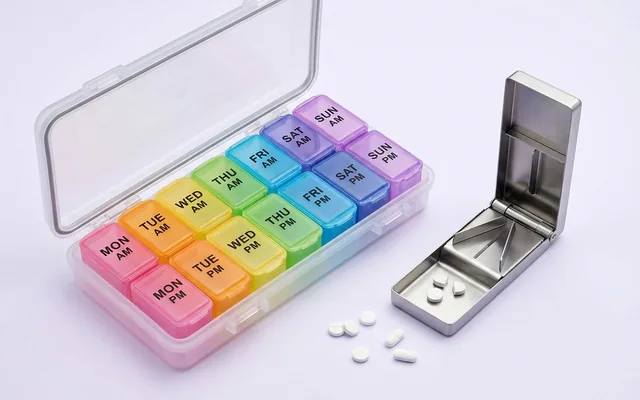
Airtight double-lock weekly medication organizer with removable day pods and a surgical stainless-steel tablet cutter for accurate half-tablet splitting and adherence.
View Clinical Details →How to Take This Medicine Properly.
Taking your medicine correctly ensures you get the maximum benefit from your treatment. These tablets are taken by mouth with water. Try to take your dose at the exact same time every day to build a helpful daily routine.
Crucial Instruction:
Never crush, chew, or break abiraterone tablets. You must swallow them whole. Altering the pill can change how the medicine enters your body.
Keep in mind that the two main brand versions have different rules for food intake:
- Zytiga: Take this brand on an empty stomach. Swallow it at least one hour before eating a meal or at least two hours after eating.
- Yonsa: You can take this brand with food or without food. If taking medicine on an empty stomach upsets your stomach, taking Yonsa with a small meal can help.
Special Warning for Pregnant Women.
This safety rule is extremely important. Pregnant women must never touch, handle, or hold abiraterone tablets. Contact with the medicine can cause serious birth defects in an unborn baby. If a pregnant caregiver must handle the bottle or pills, they must wear protective gloves at all times. Make sure everyone in your household understands this safety rule.
Do Children Take This Medicine?
Abiraterone is generally prescribed for adult men. It is not meant for use in children. If a doctor discusses treating a younger patient with this drug, have a detailed discussion about the risks and benefits.
What Happens If You Take Too Much?
If you accidentally take more than your prescribed dose, or if you suspect an overdose, contact your local poison control center or go to the nearest hospital emergency room right away. Quick action helps prevent severe health complications.
Emergency Red Flags & When to Call 911 or 999
Seek emergency medical attention right away if you experience chest pain, severe shortness of breath, sudden confusion, fainting, or signs of a severe allergic reaction.
Never share your prescription with anyone else, even if they have the exact same diagnosis. Every person's body and dosage requirements are unique.
What to Do If You Miss a Dose.
Busy schedules can sometimes lead to a missed dose. If you forget to take your medicine on time, do not panic.
Simply take your next scheduled dose at its normal time. Never take a double dose or extra pills to make up for a missed one. Doubling up increases your risk of having uncomfortable or dangerous side effects.
If you miss more than one dose in a row, or go a couple of days without taking your medicine, call your doctor promptly. They will advise you on how to safely resume your treatment schedule.
Other medicines That Can Interact with Abiraterone.
Many medicines can interact with each other. When drugs interact, they can change how well your treatment works or increase your risk of side effects.
You must never take abiraterone with this medicine:
- Thioridazine (a medicine used for certain mental health conditions) .
The following medicines can also interact with abiraterone. Tell your doctor if you take any of them:
- Seizure medicines such as carbamazepine, phenobarbital, or phenytoin .
- Dextromethorphan (found in many common over-the-counter cough syrups) .
- Pioglitazone (a medicine used for type 2 diabetes) .
- Antibiotics such as rifabutin, rifampin, or rifapentine used for bacterial infections .
This list does not cover every possible interaction. Always give your doctor a complete list of everything you take, including prescription drugs, over-the-counter medicines, herbal supplements, vitamins, and recreational substances.
Things to Watch While Taking This Medicine.
As you go through your treatment course, pay close attention to how your body feels.
- If your symptoms do not improve, or if they seem to get worse, let your doctor know right away. This helps your medical team evaluate how well the treatment is working.
Pregnancy and Breastfeeding Precautions Again.
Because of the risks involved, keep these rules in mind:
- For Women: Do not become pregnant while taking this medicine. If you become pregnant accidentally, contact your doctor right away. Pregnant women must avoid touching broken or crushed pills without gloves.
- For Men: Do not try to father a child while taking abiraterone and for at least three weeks after your final dose. Talk to your doctor or pharmacist about reliable family planning methods.
- Breastfeeding: Do not nurse an infant while taking this medicine.
Special Guidance for Patients with Diabetes.
If you live with diabetes, monitoring your health requires extra diligence during this therapy.
- Check your blood sugar levels regularly as advised by your doctor.
- Learn to recognize the symptoms of low blood sugar (hypoglycemia), such as sweating, shaking, extreme hunger, fast heartbeat, and nervousness.
- Learn the signs of high blood sugar (hyperglycemia), including extreme thirst, frequent urination, blurred vision, and unusual fatigue.
- Ask your doctor if your diabetes diet or medicines need adjustment.
- Always keep fast-acting sugar sources nearby, such as glucose tablets, hard candy, or fruit juice. Ensure family members know what to do if your blood sugar drops dangerously low and you experience confusion or seizures.
Side Effects You Might Experience.
Like all medicines, abiraterone can cause side effects. Not everyone experiences them, but knowing what to look out for helps you stay safe.
Side Effects Requiring Immediate Medical Attention.
Contact your doctor or seek emergency medical care right away if you notice any of these serious signs:
- Allergic Reactions: Rash, hives, itching, swollen face, lips, or tongue, and trouble breathing.
- Chest Pain: Tightness, pressure, or discomfort in the chest area.
- Heart Rhythm Changes: Fast, pounding, or irregular heartbeat.
- Dizziness: Feeling faint, lightheaded, or having sudden falls.
- Unusual Weakness: Extreme fatigue that does not improve with rest, or flu-like symptoms.
- Abdominal Pain: Pain in the upper right side of your stomach, which can indicate liver stress.
- High Blood Sugar Signs: Increased thirst, frequent urination, or blurred vision.
- Infection Signs: Fever, chills, persistent cough, sore throat, or burning when you urinate.
- Swelling: Noticeable swelling in your ankles, feet, legs, or hands.
- Yellow Skin or Eyes: Jaundice, which signals potential liver problems and requires urgent medical evaluation.
Common, Less Serious Side Effects.
Some side effects are milder and usually do not require emergency care, but you should mention them to your doctor if they persist or become bothersome:
- Mild cough .
- Loose stools or diarrhea .
- Flushing or redness in the face .
- Joint pain or stiffness .
- Muscle aches or general soreness .
| Side Effect Type. | Examples. / Recommended Action. |
|---|---|
| Mild Discomforts. | Examples.: Joint ache, mild cough, flushing. Recommended Action.: Report at your next regular checkup if bothersome. |
| Serious Warning Signs. | Examples.: Chest pain, yellow eyes, severe swelling. Recommended Action.: Contact your doctor or emergency services right away. |
This list does not include every possible side effect. Report any unusual symptoms to your medical team. In the US, you can also report side effects to the FDA at 1-800-FDA-1088.
How to Store Your medicine Properly.
Proper storage protects the quality and safety of your medicine.
- Keep Out of Reach of Children: Store tablets securely in a high or locked cabinet so children cannot access them.
- Controlled Temperature: Keep your medicine at room temperature, ideally between 15 and 30 degrees Celsius (59 to 86 degrees Fahrenheit). Avoid hot areas, direct sunlight, and humid rooms like bathrooms.
- Safe Disposal: Do not keep expired medicines. Ask your pharmacist about local drug take-back programs or safe disposal methods.
Take-Home Summary.
Let review the most important points to keep in mind:
- What It Is: Abiraterone lowers testosterone to help manage prostate cancer.
- Tell Your Doctor: Share all medical conditions—especially diabetes, heart issues, and liver disease—along with every medicine you take.
- How to Take It: Follow food instructions carefully (empty stomach for Zytiga, with or without food for Yonsa). Swallow whole without crushing.
- Pregnancy Safety: Pregnant women must never handle crushed tablets. Men must use birth control during treatment and for three weeks afterward.
- Diabetes Care: Monitor your blood glucose closely because this medicine can raise sugar levels.
- Side Effects: Report serious symptoms like chest pain, yellow skin, or severe swelling right away.
Wishing you the very best on your journey toward health and recovery!


No comments yet. Be the first to share your question or experience below.