
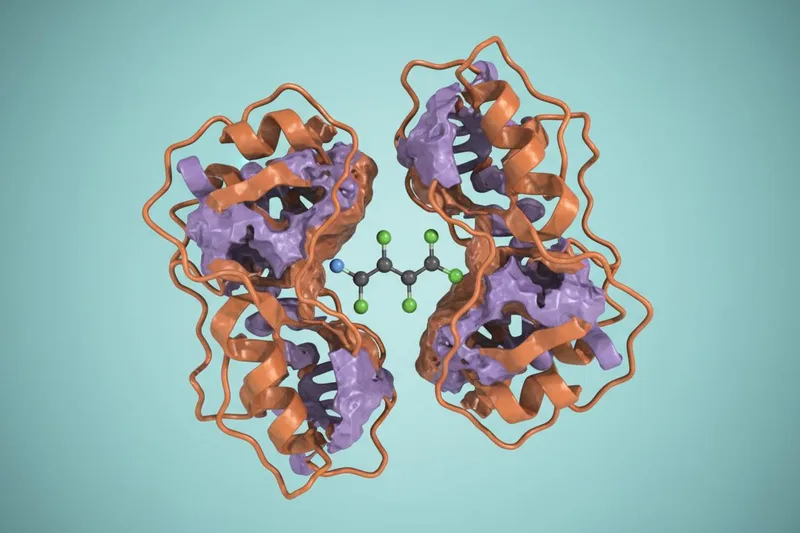
A problem that many people in Sri Lanka have is high blood pressure, or "pressure" as we all know it. So, your doctor may have prescribed you medicine for your blood pressure, or for some heart condition. Among the types of medicines that are prescribed, ACE Inhibitors are a very common and very important class of medicines. If the name of your medicine is something like Captopril, Enalapril, Lisinopril, then you may also be using this type of medicine. So today, let's talk about what these ACE Inhibitors are, how they work inside our body, and what are the most important things we need to know while using them.
Simply put, what are these ACE Inhibitors?
The full name of this is Angiotensin - Converting Enzyme Inhibitors. Although the name is a bit complicated, what it does is very simple. To understand this, let's talk about a small process that happens in our body.
Various hormones and enzymes work to control blood pressure in our body. One of the main enzymes is called `ACE (Angiotensin-Converting Enzyme).` This `ACE` enzyme is like a small factory in our body. This factory converts the substance `Angiotensin I` in our body into another powerful substance called `Angiotensin II`.
Now this guy called `Angiotensin II` is what works to increase our blood pressure. He does two main things:
1. Blood vessels constrict (constrict): Just as when a water pipe is squeezed, the water flows faster, when blood vessels become constricted, the space for blood to flow decreases, and the pressure inside the vessels increases.
2. Limits the excretion of salt and water from the kidneys: When too much salt and water is retained in the body, blood volume increases, which in turn increases blood pressure.
So what an ACE inhibitor does is stop the work of that factory called `ACE` that I mentioned earlier. That means it reduces the production of `Angiotensin II`, the hormone that increases blood pressure.
Not only that, this `ACE` enzyme breaks down a protein called `Bradykinin`, which is beneficial to our body and widens blood vessels. When you take an ACE inhibitor, because the `ACE` enzyme is not working, more of that good protein called `Bradykinin` remains in the body.
Simply put, ACE inhibitors stop the production of substances that increase blood pressure and prevent the loss of substances that reduce blood pressure. This dual action helps to control blood pressure very well.
For what situations do doctors prescribe this medicine?
ACE Inhibitors are not just a blood pressure medication. They also help protect the heart and kidneys, so doctors prescribe them for a variety of conditions.
- Control high blood pressure: This is the most important and commonly used case.
- Treat Heart Failure: When the heart is unable to pump enough blood, this medication helps reduce the workload on the heart and help it function.
- After a Heart Attack: This medicine is given to help the heart recover after a heart attack and prevent further damage.
- Protect the kidneys of people with diabetes: Diabetes can damage the kidneys over time. ACE inhibitors can help delay and prevent that damage.
- For those at high risk of heart attack and stroke: These are also prescribed to prevent these conditions from occurring in those at risk.
- For other kidney diseases: These are also used for some kidney diseases (such as `Nephrotic syndrome`, `Proteinuria`) that occur even in people without diabetes.
What are the most commonly used types of ACE inhibitors?
There are several types of ACE inhibitors on the market. Your medication may have one of the names listed below. Keep in mind that even though the generic name of the drug is the same, the brand name may vary because it is made by different companies.
| Generic Name of the Medicine | Some brand names (Example Brand Names) |
|---|---|
| Benazepril | Lotensin® |
| Captopril | Capoten® |
| Enalapril | Vasotec® |
| Lisinopril | Zestril® |
| Ramipril | Altace® |
| Perindopril | Aceon® |
How should I use this medicine?
Most people are prescribed an ACE inhibitor once a day. However, some people may need to take it twice a day. This is up to your doctor to decide.
A very important thing is what to do if you miss a dose. Imagine that you forgot to take your morning dose. If you remember during the day, take it as soon as you remember. But if you remember the next morning, which means it's almost time for your next dose, don't take the missed dose. Skip it and just take the next dose at the scheduled time. Never take two pills at once, along with the one you forgot. Doing so can cause your blood pressure to drop too low and cause dizziness.
Another important thing is that you should not stop taking this medication suddenly without talking to your doctor. If you do, your blood pressure may suddenly increase, increasing your risk of a heart attack or stroke. If you have any side effects that make the medication uncomfortable, tell your doctor. He or she will switch you to a different medication that is more suitable for you.
What are the benefits and side effects of this medication?
ACE Inhibitors are a class of drugs that doctors around the world rely on for a number of reasons.
Main advantages
- Very effective: Scientific research has proven that these are very effective in controlling blood pressure and heart disease.
- Prevents disease: Not only does it treat an existing disease, but it also helps prevent future heart attacks, strokes, and kidney disease.
- Compatible with other medications: Sometimes doctors prescribe a single pill that combines an ACE inhibitor and another blood pressure medication.
- Safe: These drugs generally have minimal side effects. Serious side effects are rare, so they can be safely used for a lifetime.
Possible side effects
As with any medication, these may cause minor side effects in some people.
| Side effect | Description |
|---|---|
| Dry cough | This is a common and typical side effect of ACE inhibitors. A persistent, hacking cough without phlegm. If this bothers you, tell your doctor. |
| Dizziness | This can happen when you suddenly stand up from a sitting position, especially when you first start taking the medication. So get up slowly. |
| Headache and fatigue | Some people may experience it. |
| Angioedema | This is a rare but serious condition. It causes sudden swelling of the face, lips, tongue, or throat. This can cause difficulty breathing. |
| Other (rarely) | Metallic taste in the mouth, nausea, skin rashes. |
Things to be careful about when using this medicine
People who should not take this medicine
- Pregnant or breastfeeding mothers. (If you are expecting a baby, tell your doctor in advance.)
- People who have previously had angioedema (swelling of the face).
- People with severe kidney disease or renal artery stenosis.
Interactions with other medications
If you are taking an ACE inhibitor, it is essential to inform your doctor about all other medications you are taking (even vitamins).
- Painkillers (NSAIDs): If painkillers like Ibuprofen and Diclofenac are used frequently, they can reduce the effectiveness of ACE inhibitors and affect the kidneys.
- Medications that affect potassium levels: Some medications can cause potassium levels in the body to increase unnecessarily (hyperkalemia).
- Salt and salt substitutes: Consult your doctor about the amount of salt you should eat. Also, be sure to ask your doctor before using "salt substitutes" that contain potassium.
When should you seek immediate medical advice?
If any of the following severe symptoms occur, go to the nearest hospital Emergency Department (ETU) immediately.
| Emergency - Go to a hospital immediately! | |
|---|---|
| Swelling of the face, mouth, tongue, or throat | This could be `Angioedema`. A very serious condition that can cause difficulty breathing. |
| Severe allergy symptoms | Skin rash, severe itching, difficulty swallowing or breathing. |
| Feeling sleepy or faint | It may be a sign of an unnecessary drop in blood pressure. |
| Symptoms of a heart attack or stroke | Severe chest pain, difficulty breathing, numbness on one side of the face or body, difficulty speaking. |
| Yellowing of the skin or eyes (Jaundice) | This may be a sign of a serious problem with liver function. |
If you are taking an ACE inhibitor, your doctor will likely order several blood and urine tests at least once a year to check your kidney function and blood salt levels. It is very important not to skip these tests.
Take-Home Message
- ACE Inhibitors are a very important and effective class of medications used to treat high blood pressure, heart disease, and kidney disease.
- Take the medicine exactly as prescribed by your doctor, at the right time, and in the right dosage.
- Do not suddenly stop taking your medication without consulting your doctor for any reason.
- If you develop a persistent dry cough, inform your doctor.
- If you develop severe symptoms such as swelling of the face, lips or throat, difficulty breathing, go to a hospital's Emergency Department (ETU) immediately.
- Tell your doctor about all other medications you are taking (including painkillers and vitamins).




💬 Comments (0)
No comments yet. Be the first to share your thoughts here.
Add Your Comment