

Dealing with stubborn acne can feel frustrating at any age. While some people see breakouts fade quickly, others struggle with ongoing skin blemishes. If you are looking for an effective way to clear your skin, you may have heard about a topical medicine called adapalene. Let us take a close look at how adapalene works and how you can use it safely.
Acne is one of the most common skin concerns worldwide. It happens when tiny skin pores get blocked with oil and dead skin cells. Adapalene belongs to a group of medicines known as retinoids. It helps regulate skin cell growth and keeps pores clear to prevent breakouts.
In this complete patient guide, we will explore everything you need to know about adapalene. You will learn proper application steps, potential side effects, important safety precautions, and tips for protecting your skin while using this treatment.
Key Takeaways
- Adapalene is a topical retinoid medicine used to treat acne by keeping pores clear.
- Apply a thin layer once daily at night on clean, dry skin as directed by your doctor.
- Your acne may temporarily appear worse during the first few weeks of treatment before improving.
- Protect your skin from direct sunlight by using a broad-spectrum sunscreen with SPF 30 or higher.
- Always inform your doctor if you are pregnant, planning to become pregnant, or breastfeeding.
Know your body mass index (BMI) and weight classification
What Is Adapalene and How Does It Work?
Simply put, adapalene is a prescription or over-the-counter medicine designed to treat acne vulgaris. It belongs to a medicine family called retinoids. Retinoids work by affecting how skin cells grow and shed on the surface layer of your skin.
Your skin has tiny openings called pores. When dead skin cells and natural skin oils mix together, they can block these pores and cause pimples, blackheads, and whiteheads. Adapalene prevents dead cells from sticking together inside the pore. This action stops blockages from forming in the first place.
You may find adapalene under various brand names such as Differin, Differin Gel, or Plixda. Depending on your specific skin needs, doctors may sometimes recommend retinoids for other similar skin concerns.
Always talk to your doctor or pharmacist if you have questions about your prescription. They can confirm whether adapalene is the right choice for your skin type and condition.
What to Tell Your Doctor Before Using Adapalene
Before you start using adapalene, you need to share important medical information with your doctor or healthcare team. This step ensures the treatment is safe and suitable for you.
Tell your doctor if you have any existing skin conditions such as eczema, rosacea, or severe dermatitis. Mention if you have naturally sensitive skin that reacts easily to cosmetics or weather changes.
Inform your doctor if you have ever had an allergic reaction to adapalene, any other retinoid medicine, or any foods, dyes, or preservatives. Share details about past allergic reactions like skin rashes, itching, swelling, or trouble breathing.
Tell your doctor right away if you are pregnant, planning to become pregnant, or nursing a baby. Some retinoids can harm a developing baby, so professional medical guidance is essential.
Give your doctor a complete list of all prescription drugs, herbal supplements, vitamins, and over-the-counter products you use. Also mention if you smoke or drink alcohol regularly.
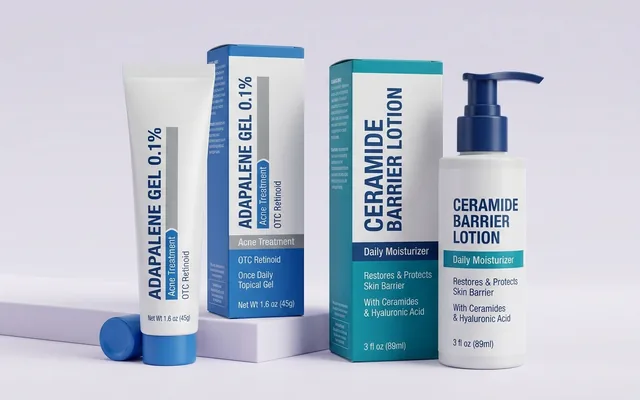
FDA-approved once-daily Adapalene 0.1% retinoid treatment gel paired with ceramide barrier lotion to regulate skin cell turnover without irritation.
View Clinical Details →How to Use Adapalene Correctly
Using your medicine correctly helps you get the best results while lowering your risk of skin irritation. Follow these simple steps for safe daily application.
- Adapalene is strictly for external use on the skin. Never swallow or take it by mouth.
- Wash your hands thoroughly with soap and water before and after applying the gel.
- Keep the medicine away from your eyes, lips, inside your nose, and mouth. Avoid broken, cut, or sunburned skin.
- Apply a thin layer of the gel to clean, dry skin once daily at bedtime, or as directed by your doctor.
- Do not apply extra medicine thinking it will work faster. Using too much can cause severe redness, peeling, and burning.
- Continue using the medicine for as long as your doctor recommends, even if you do not see immediate results.
- Children over 12 years old should use adapalene only under direct medical supervision and guidance.
What to Do If You Use Too Much
If you accidentally apply more adapalene than prescribed, your skin may become red, dry, or irritated. If this happens, stop using the medicine for a few days until your skin calms down.
Call your doctor if severe skin irritation persists or if you have any safety concerns. If someone accidentally swallows adapalene by mouth, call emergency services or go to the nearest hospital emergency room right away.
Note: Your prescription is meant specifically for you. Never share your acne medicine with friends or family members, as their skin conditions require individualized care.
What to Do If You Miss a Dose
If you forget to apply your adapalene dose at the scheduled time, apply it as soon as you remember. However, if it is almost time for your next regular application, skip the missed dose entirely.
Return to your normal routine by applying only one dose at the next scheduled time. Never apply a double dose to make up for a missed application.
Products and Ingredients That May Interact with Adapalene
Certain skincare products and topical medicines can interact with adapalene. Combining incompatible products can increase skin irritation or reduce how well your medicine works.
- Topical antibiotics such as clindamycin or erythromycin, unless specifically prescribed together by your doctor.
- Other acne treatments containing sulfur, resorcinol, or salicylic acid.
- Harsh skin-peeling agents or abrasive scrubs.
- Products containing high levels of alcohol, strong fragrances, or irritating astringents.
Keep a complete record of all products you apply to your face and body. Share this list with your doctor or pharmacist to avoid unwanted skin reactions.
Important Safety Precautions During Treatment
To ensure a safe and successful treatment journey, keep these important precautions in mind:
- Attend all scheduled check-up appointments to let your doctor monitor your skin progress. Remember that visible skin improvements often take 8 to 12 weeks.
- Do not panic if your acne seems to get slightly worse during the first few weeks of treatment. This temporary reaction is normal as the medicine clears out deep pores.
- Avoid harsh cleansers, abrasive soaps, and alcohol-based toners that dry out your skin. Use a gentle, fragrance-free cleanser instead.
- Protect your skin from sun exposure because adapalene can make your skin more sensitive to sunlight and UV rays.
- Wear protective clothing, wide-brimmed hats, and apply a broad-spectrum sunscreen with SPF 30 or higher every morning. Avoid tanning beds and sunlamps completely.
- Use a gentle, non-comedogenic moisturizer if your skin feels dry, especially during cold or windy winter weather.
- Be cautious when using hair removal methods like waxing on treated skin areas, as your skin will be more delicate.
Potential Side Effects of Adapalene
Like all medicines, adapalene can cause side effects, though not everyone experiences them. Some side effects are mild and disappear as your skin adjusts. This others require medical attention.
Side Effects That Need Prompt Medical Attention
Contact your doctor right away if you experience any of these serious signs:
- Severe allergic reactions including skin rash, hives, intense itching, swelling of the face, lips, tongue, or throat, and difficulty breathing.
- Intense burning sensation, severe skin redness, blistering, crusting, or painful peeling of treated areas.
Common Side Effects
Mild side effects often occur during the first two to four weeks of treatment and tend to fade with continued use:
- Mild skin redness, dryness, or slight stinging upon application.
- Light scaling or shedding of the outer skin layer.
- Increased sensitivity to sunlight.
- Temporary changes in skin pigmentation in treated areas.
This list does not cover every possible side effect. If you notice unusual symptoms, consult your doctor for guidance.
When to Call Emergency Services
If you experience severe allergic reactions, trouble breathing, or accidentally ingest the medicine by mouth, call 911 (US/Canada), 999 (UK), or go to your nearest hospital emergency department right away.
How to Store Adapalene Properly
Proper storage keeps your medicine effective and safe for use throughout its shelf life.
- Store the medicine tube tightly closed in a cool, dry place at room temperature between 20°C and 25°C (68°F to 77°F).
- Do not store adapalene gel in the refrigerator or freezer.
- Protect the tube from direct light and keep it safely out of reach of young children and household pets.
Disposing of Unused or Expired Medicine
Never keep expired medicines or products you no longer need in your home medicine cabinet.
- Ask your local pharmacist or doctor about safe medicine take-back programs in your community.
- Check the product packaging insert for specific disposal instructions.
- If no take-back program is available, mix the unused medicine with unappealing waste like used coffee grounds or dirt, seal it inside a plastic bag, and place it in your household trash.
Comparison of Acne Treatment Options
Review this comparison table to understand how adapalene compares with other common topical acne management choices.
| Treatment Type | Primary Mechanism / Common Side Effects |
|---|---|
| Adapalene (Retinoid) | Primary Mechanism: Unclogs pores and regulates skin cell shedding. Common Side Effects: Mild dryness, redness, sun sensitivity. |
| Salicylic Acid | Primary Mechanism: Exfoliates skin surface and dissolves oil in pores. Common Side Effects: Skin irritation, peeling, mild stinging. |
| Benzoyl Peroxide | Primary Mechanism: Kills acne-causing bacteria and reduces inflammation. Common Side Effects: Dryness, peeling, bleaching of fabrics. |
💡 Take-Home Message
Managing acne takes patience and consistent care. Here are the key points to remember about adapalene:
- Adapalene is a topical retinoid gel designed to treat and prevent acne breakouts.
- Apply the medicine exactly as directed by your doctor. Using more will not speed up results and may harm your skin.
- Always inform your doctor if you are pregnant, breastfeeding, or taking other medicines.
- Protect your skin daily with sunscreen and avoid harsh skincare products.
- Seek medical help promptly if you develop signs of an allergic reaction or severe skin irritation.
- Never share your prescription medicine with others.
- Allow time for your skin to adjust. Visible improvements usually appear after several weeks.
Acne can feel challenging, but with the right treatment plan and expert guidance, you can achieve clearer, healthier skin. Talk to your doctor whenever you have questions or concerns about your skincare routine.


No comments yet. Be the first to share your question or experience below.