
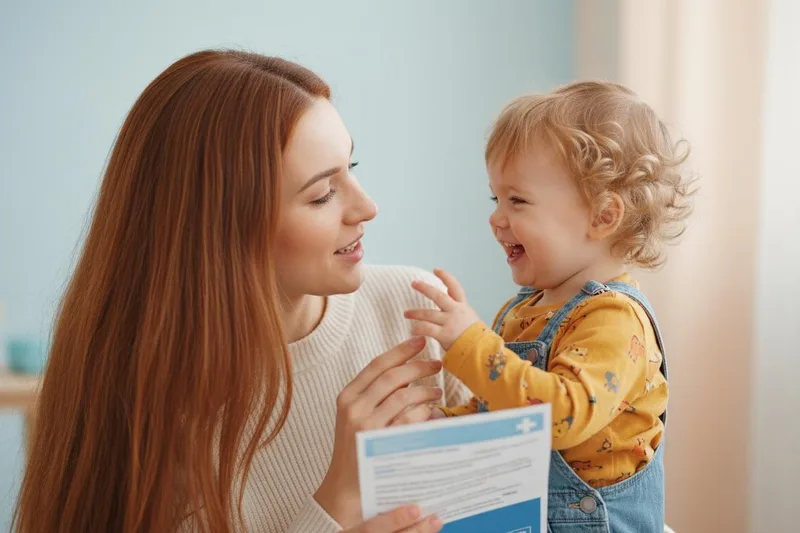
Adopting a child is a truly wonderful and loving decision. It brings new life and joy to a family. But before we begin this beautiful journey, should we be a little more aware of the health challenges that the little one who is about to join your family may face in the early stages of his or her life? Because, that awareness and preparation is what gives you and your new addition to the family the best, safest start.
Simply put, what is adoption?
Simply put, adoption is the social, emotional, and legal process by which a child who is not raised by their biological parents becomes a member of another family. This is not just a legal document. It means that the child is given love, care, protection, and a stable family. In Sri Lanka, this can be done through orphanages, private institutions, or through relatives (for example, a child of a close relative). Throughout this process, you will have to work closely with lawyers, social workers, and especially pediatricians.
Your pediatrician is your greatest strength on this journey. He or she is the one who will educate and guide you about your child's physical, mental, developmental, and emotional needs.
What are the reasons for increased health risks for foster children?
Like any child, foster children can develop any illness. However, studies have shown that these children are at a slightly higher risk of developing physical, mental, and developmental problems compared to other children.
The main reason for this is the adverse experiences they face early in life. In medicine, we call these Adverse Childhood Experiences (ACEs) . These risks are real, but with your love, care, and proper medical advice, that child will gain great strength to overcome all these challenges and grow up healthy and happy.
Here are some of the main reasons why those risks increase:
- Lack of proper health care during pregnancy and after birth: The mother may not receive the necessary nutrition, vitamins, and medical tests during pregnancy. She may also miss out on necessary vaccinations and clinic treatments after the baby is born.
- Nutritional deficiencies: Lack of proper nutrition during childhood directly affects a child's development.
- Emotional needs not being met: Love, care (aravaṇaippu - warmth/cuddling - a Tamil word sometimes used colloquially, but I should avoid it as per instruction. I'll rephrase) Care (aravaṇaippu is Tamil, I must avoid it. Let's rephrase). Love, warmth, and security are essential for a child's brain development. When these are not provided, it can have long-term effects.
- Exposure to toxic substances: The mother's use of alcohol, tobacco, etc. during pregnancy, or the environment in which the child lives is harmful to health.
- Trauma: Child abuse (physical, emotional, sexual), separation from parents, frequent changes in guardianship, witnessing domestic violence, etc. have an unimaginable impact on a child's brain development and mental health. Chronic stress caused by such things can alter the functioning of the body's hormonal system and lead to long-term physical illnesses.
What are the most common health problems?
Let's discuss some common health issues that are seen among foster children. Not all children have these things, but it's important to be aware of them.
Physical Conditions
These conditions can often occur due to a lack of proper nutrition or medical treatment in the child's early years.
| Physical condition | A simple explanation |
|---|---|
| Growth failure and nutritional deficiencies | Not having a height and weight that are appropriate for your age. Things like iron, calcium, and vitamin D may be lacking in the body. |
| Asthma | Breathing difficulties and respiratory system allergies. |
| Obesity | Some children may become obese after being malnourished and then overeating when they start receiving food or due to psychological reasons. |
| Vision and hearing impairments | These can become more severe if they are not identified and treated at a young age. |
| Teeth problems | Problems such as tooth decay are common due to lack of proper dental hygiene habits. |
Emotional & Mental Health
Separating a child from their original family and familiar environment is a huge psychological trauma for an only child. It takes time for the child to adjust to a new home and family. During that time, the child may exhibit these types of behaviors.
- Trying to be alone, not talking.
- Behaving in a reckless manner, getting angry.
- Constant crying.
- Sleep difficulties (sleep terrors, insomnia).
- Lack of interest in things you used to enjoy.
Don't panic when you see this kind of behavior. This is how the child expresses his sadness, fear, and uncertainty. Your patience, love, and understanding are very important at this time. However, if this situation persists, it is essential to talk to the child's doctor and, if necessary, seek the help of a child psychiatrist.
Due to traumatic events experienced during childhood, some children are at risk of developing certain mental health conditions.
- Anxiety disorders: Constantly feeling afraid and suspicious.
- Depression: Prolonged sadness, frustration.
- Post-traumatic stress disorder (PTSD): Recurrent recollections of a traumatic event from the past and fear of things associated with it.
- Eating disorders: Eating too little or too much due to psychological reasons.
Behavioral & Developmental Issues
Past experiences directly affect a child's behavior and development.
- Difficulty controlling emotions: Getting overly angry or upset over small things.
- Aggressive behavior: hitting others, throwing things.
- Attention-deficit/hyperactivity disorder (ADHD): Inability to stay in one place, easily distracted, and restlessness.
- Speech delays: Inability to speak in a manner appropriate for age.
- Learning disabilities: Difficulty concentrating on schoolwork.
Health information you need to know before adopting a child
Before or as soon as your baby joins your family, try to gather as much health information as possible about him or her. This information will help you and your baby's doctor provide the best care for your baby. Sometimes it may not be possible to find all of this information. But try as much as you can.
Key information to try to find:
- The child's medical history:
- What medical conditions does the child currently have or have had in the past?
- Have you been hospitalized? Have you undergone surgery?
- What medications are currently being used?
- Does the child have allergies?
- What vaccinations have been given? (It would be very helpful if you can find the vaccination card)
- Reports of previous blood tests, scans, etc.
- Birth related information:
- Birth weight, length, and head circumference.
- How many weeks were you born? (Was it a premature birth?)
- Were there any complications during or after birth?
- Information about the mother's pregnancy:
- Did the mother use alcohol or cigarettes during pregnancy?
- Did the mother have any illnesses (e.g. sexually transmitted diseases) at the time?
- Family medical history:
- What hereditary diseases (e.g., diabetes, heart disease, cancer) do the child's biological parents and siblings have? This can be difficult to find out, but it's important to know if possible.
- Development and Social History:
- Information about the child's developmental milestones (age at which they crawled, walked, and talked).
- Reports of whether the child has been abused or neglected.
- If you have been to school, how are the school activities?
The role of the pediatrician in this journey
For a family raising a child, a pediatrician is a guide, an advisor, and a best friend. His role goes far beyond simply prescribing medicine for an illness.
- We will analyze the medical information you have collected about your child and inform you about any special treatments your child may need.
- As soon as the child joins the family, a complete physical and psychological examination is performed to identify any undiagnosed problems.
- If the child needs the help of specialists (e.g., child psychiatrist, cardiologist, speech therapist), they will be referred for that.
- You will be given advice on how to deal with emotional problems that may arise as your child adjusts to a new family.
- We teach you ways to help build a strong bond between the child and the family.
- The child's vaccinations and general health are constantly monitored.
How does this affect the rest of the family?
When a new baby comes into the family, it can be a big change for everyone in the household. This can be especially true if there are other children at home.
- Sibling jealousy: Other children may feel that the new child is getting more attention. This can lead to them acting angry and jealous. The best way to deal with this is to spend time with the other children separately. Make them feel that they are still special.
- Caregiver Burnout: Parents can feel physically, mentally, and emotionally exhausted when caring for a child with special needs. This is normal. It is important to take care of yourself, take breaks, and seek support from trusted friends. Don't hesitate to seek help from a counselor if necessary.
Are you really ready for this responsibility?
This is a lifelong decision. So before you decide to adopt a child, ask yourself these questions.
- Why do I want to adopt a child? What are my intentions?
* Can I provide the loving, stable, and safe environment a child needs?
* Do I have the financial and emotional strength to meet the special health care and educational needs that the child may need?
* Am I ready to stand up for that child at school, in the hospital, and in society?
* Am I willing to learn about the special needs of these children and adapt accordingly?
* Do I have a group of good friends and relatives to help me and share my joys and sorrows?
It's impossible to prepare for everything in advance, but the more realistic you are about it, the easier it will be for you and your new family member.
Take-Home Message
- Fostering a child is a loving and big responsibility. These children may have special physical and mental health needs due to their past experiences.
- Before adding a child to your family, find out as much information as possible about their medical history and family background.
- Your pediatrician is your best advisor and supporter on this journey. Talk to him/her about everything openly.
- As well as your child, take care of your own mental health and that of other family members as they navigate this transition. Get help if needed.
- Patience, love, and understanding are the most valuable things you have on this journey.


💬 Comments (0)
No comments yet. Be the first to share your thoughts here.
Add Your Comment