
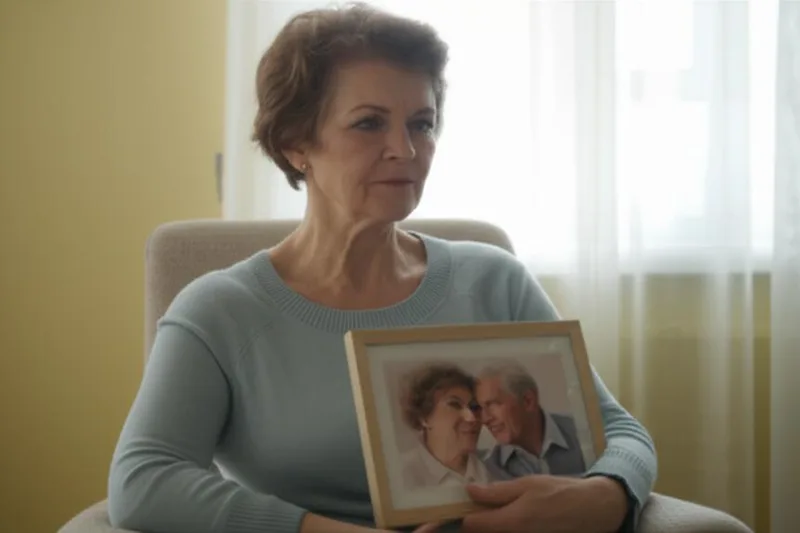
It is very normal to feel a great sense of loneliness, sadness, and guilt after your mother, father, or someone close to you, whom you have cared for so lovingly and devotedly for so long, is admitted to an assisted living/nursing home. Questions like "Did I not take good care of him/her?" and "Did I make the right decision?" must have echoed in your mind hundreds of times. Don't think that you are alone with these feelings. This is a common situation that many people experience.
How can you reduce the weight you feel?
Sometimes, making a decision like this is necessary for the safety and well-being of your loved one. But even then, you can't stop feeling sad and guilty. The best thing you can do at this time is to talk about your feelings with your family or a trusted friend. Sometimes, joining a support group with others who have gone through similar experiences or getting help from a counselor can help you feel better.
The most important thing is to share these feelings with someone, without keeping them bottled up inside. Remember that you are not alone.
What do you do if your loved one is angry?
Unless your loved one's dementia is very advanced, they may not like the new environment. Sometimes they adapt wonderfully to their new surroundings. But more often, especially early in the disease, they may blame you, cry and yell at you every time you visit, "Take me home."
At a time like this, your heart may be hurting a lot. But remind yourself why you made this decision . You made this decision because you couldn't provide them with the specialized care they need at home, right? So, be patient and give them lots of love and attention. Give them time to adjust to their new environment. Your loving affection is very valuable to them at this time.
Do you have doubts about daily care?
The biggest fear for many people is, "Will the people there take good care of my mom/dad?" This can be a bit difficult to come to terms with, because even though you're dedicated to your loved one at home, one staff member in a nursing home has to take care of several people at once.
We need to understand the reality here. You can get an idea of this difference from the table below.
| Department of Care | The care you provided at home | Care provided in nursing homes |
|---|---|---|
| Personal attention | One person got your 100% attention. | One staff member looks after 8 or more residents. |
| Training | You have love and experience. You may lack professional training. | While many have experience and training, some may have less training. |
| Troubleshooting | You can solve a problem as soon as you see it. | A problem should be reported to the relevant staff member or manager. |
How do you build a good relationship with staff?
The best way to overcome your fears and doubts is to build a good relationship with the staff .
- Speak calmly: If there is a problem, speak calmly and respectfully to the employee in question. Most of the time, this will resolve the issue. If not, speak to the Director or Nursing Director.
- Respect them: Remember, they are also hard-working, stressed people. They like to be treated with respect too.
- Visit often: Visit your loved one whenever possible.
- Share what you know: Tell the staff about your mom/dad's likes and dislikes, and ways to calm them down.
- Appreciate the good: Tell them about the good things they are doing. Also, if you feel something needs to be changed, say it gently and without hurting their feelings.
Are you afraid of losing valuables or being abused?
Abuse by professional caregivers is much less common than it is at home. But it is not impossible. If you have any suspicions that your loved one is being physically or emotionally abused, report it to the head nurse or manager immediately . If you witness abuse, report it to the head of the facility and your local Adult Protective Services Agency.
It's best to keep valuables, such as jewelry, with you, as your loved one may forget them somewhere, or they may be misplaced by another resident. Also, keep personal items such as dentures, eyeglasses, and hearing aids clearly labeled.
Don't you see the doctor often?
Doctors don't usually visit nursing homes like these every day, like they do in hospitals. This may be new to you. The frequency of visits will depend on your loved one's health and needs.
In some institutions, nurse practitioners or physician assistants are employed to provide medical services instead of doctors.
However, the best way to contact your loved one's doctor may be to give them a phone call. If you have any concerns about your loved one's health, don't forget to talk to their doctor about it .
Take-Home Message
- It's normal to feel sad, anxious, and guilty after your loved one is placed in a nursing home. Don't hesitate to talk about it.
- It will take time for your loved one to adjust to their new environment. Understand their anger or sadness, and offer them love and support.
- Build a good, respectful relationship with the care staff. It will greatly help your loved one's well-being.
- Leave valuables at home and clearly label personal items such as toothpaste and glasses. Report any suspected abuse to authorities immediately.
- Always remember that you made this decision for their safety and well-being. You did the best you could.


💬 Comments (0)
No comments yet. Be the first to share your thoughts here.
Add Your Comment