

Have you ever wondered what makes up the proteins inside your body? Think of building a pretty necklace by joining colorful beads together. In the same way, your body needs tiny units to build essential proteins that keep you alive and healthy. These tiny units are called amino acids. Simply put, they are the basic building blocks of all proteins in your body.
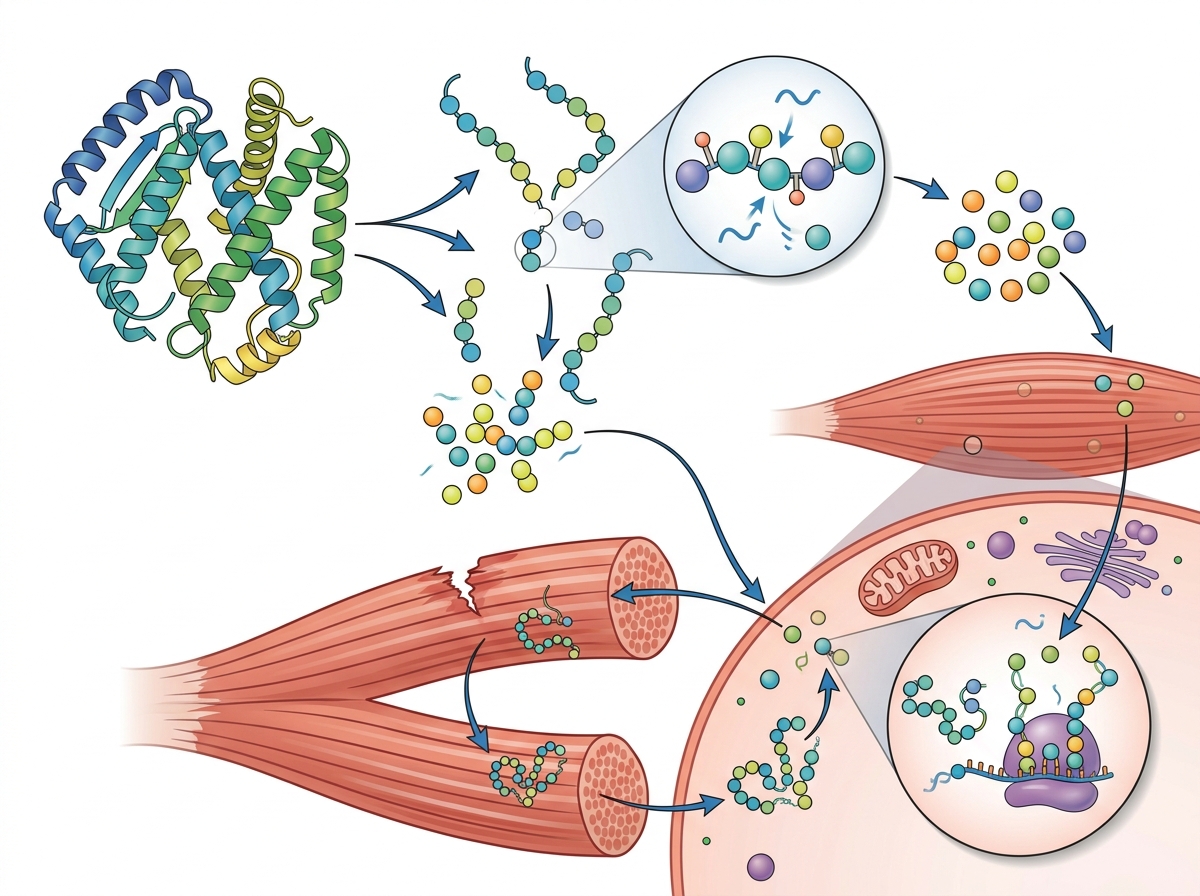
Today, we will explore what amino acids are, why they matter so much to your health, and where you can find them in your daily diet. Whether you want to boost your energy, support muscle repair, or simply understand your body better, this guide will break everything down into clear, simple steps.
Key Takeaways.
- Amino acids are the building blocks that combine to form proteins in your body.
- Your body needs about 20 different amino acids to function properly every day.
- Nine of these are essential amino acids that you must get directly from your food.
- A balanced diet containing complete and incomplete proteins provides all the amino acids you need.
- Always consult your doctor before taking any amino acid supplements to ensure safety.
What Are Amino Acids?
Think of amino acids like the letters of the alphabet. You arrange letters in different ways to make various words. In the same way, amino acids join together in different combinations to create different proteins.
Your body contains thousands of unique proteins, and each one has a specific job to do. Every protein has its own unique order of amino acids. This exact order gives the protein its specific shape and determines the exact job it performs inside your body.
What Are the Types of Amino Acids?
To function properly, your body requires about 20 different amino acids. These 20 amino acids mix and match to form all the proteins your body needs to survive and thrive.
However, your body can manufacture some of these amino acids on its own. This others must come from your food. Scientists divide amino acids into three main categories based on how your body acquires them.
Essential Amino Acids.
Essential amino acids are the ones your body cannot make on its own. Because your body cannot manufacture them, you must get them from your daily food. There are nine essential amino acids:
- Histidine: This helps make histamine, a brain chemical and neurotransmitter that supports your immune system, digestion, sleep, and sexual function.
- Isoleucine: This supports muscle metabolism and helps your immune system. It also assists in making hemoglobin and managing your energy levels.
- Leucine: This helps your body build proteins and growth hormones. It supports muscle growth, tissue repair, wound healing, and blood sugar regulation.
- Lysine: This plays a key role in producing energy and hormones. It also helps your body absorb calcium and supports your immune system.
- Methionine: This helps with tissue growth, metabolism, and natural body detoxification. It also helps your body absorb essential minerals like zinc and selenium.
- Phenylalanine: This helps your brain make chemical messengers like dopamine, epinephrine, and norepinephrine. It also helps create other amino acids.
- Threonine: This is a crucial part of collagen and elastin, which give structure to your skin and connective tissues. It helps blood clot to stop bleeding and supports fat metabolism and immunity.
- Tryptophan: This helps maintain your body's nitrogen balance. It also helps make serotonin, a brain chemical that manages your mood, appetite, and sleep.
- Valine: This is vital for muscle growth, tissue regeneration, and energy production.
Think of these nine essential amino acids as vital vitamins that your body cannot make. If you do not get them from your food, your health can suffer.
Nonessential Amino Acids.
Your body can manufacture the other 11 amino acids on its own. This is why experts call them nonessential amino acids. Even though your body makes them, they are still vital for your health. They include alanine, arginine, asparagine, aspartic acid, cysteine, glutamic acid, glutamine, glycine, proline, serine, and tyrosine.
Conditional Amino Acids.
Sometimes, certain nonessential amino acids become essential when you are ill, recovering from injury, or facing high stress. During these times, your body needs more of them than it can make, so getting them from food becomes crucial. Examples include arginine, cysteine, glutamine, tyrosine, glycine, ornithine, proline, and serine.
What Is the Structure of an Amino Acid?
Simply put, every amino acid is an organic chemical containing carbon and hydrogen bonds. Every amino acid shares a basic core structure. It features a central carbon atom, a basic amino group, a carboxylic acid group, a hydrogen atom, and a side chain known as the R-group.
The R-group makes each amino acid unique. This side chain determines the chemical nature of the amino acid and how it interacts with other amino acids and its environment.
Amino acids link together through special bonds called peptide bonds to form proteins. The specific R-groups then cause the protein to fold into a complex 3D shape. This exact shape determines what job the protein will perform in your body.
What Do Amino Acids Do for Your Body?
We know your body uses amino acids to build proteins. Because different proteins have different jobs, amino acids play a role in almost everything your body does. Here are some of their main functions:
- They help digest the food you eat.
- They grow and repair tissues throughout your body. For example, they repair your muscles after a hard workout.
- They help create hormones and brain chemical messengers called neurotransmitters.
- They act as an energy source when needed.
- They help maintain healthy skin, hair, and nails.
- They help build strong muscles.
- They strengthen your immune system to fight off illness.
- They keep your digestive system running smoothly.
How Many Amino Acids Do You Need Daily?
You do not need to eat all amino acids in every single meal. However, getting a balanced intake throughout the day is very important. Experts measure the recommended daily allowance (RDA) for essential amino acids per kilogram of body weight (or per 2.2 pounds):
- Histidine: 14 milligrams per kilogram .
- Isoleucine: 19 milligrams per kilogram .
- Leucine: 42 milligrams per kilogram .
- Lysine: 38 milligrams per kilogram .
- Methionine: 19 milligrams per kilogram .
- Phenylalanine: 33 milligrams per kilogram .
- Threonine: 20 milligrams per kilogram .
- Tryptophan: 5 milligrams per kilogram .
- Valine: 24 milligrams per kilogram .
These are general guidelines. Your age, health status, and activity level can change your exact nutritional needs. Always speak with a doctor or registered dietitian for personalized advice.
What Foods Contain Amino Acids?
You can find essential amino acids in many different foods. Animal proteins provide some of the best amino acid sources. Examples include beef, chicken, fish, and eggs. Your body absorbs and uses animal proteins very easily.
| Protein Type. | Description. | Common Examples. |
|---|---|---|
| Complete Proteins. | Contain all nine essential amino acids in adequate amounts. | Beef, chicken, fish, eggs, dairy, soy, quinoa, buckwheat. |
| Incomplete Proteins. | Lack one or more of the nine essential amino acids. | Nuts, seeds, beans, and certain grains. |
If you follow a vegetarian or vegan diet, getting all nine essential amino acids requires careful planning. Eat a variety of plant foods throughout the day so that one food supplies what another food lacks.
Should You Take Amino Acid Supplements?
Normally, if you eat a healthy, balanced diet, your body gets all the essential amino acids it needs. Some people take amino acid supplements to improve sleep, boost mood, or enhance athletic performance.
However, regulatory agencies like the U.S. Food and Drug Administration (FDA) do not strictly approve dietary supplements for safety and effectiveness the way they approve prescription drugs. Because of this, you must talk to your doctor before taking any supplement, including amino acids. Your doctor can tell you if you truly need them.
Take-Home Message.
Here are the most important points to remember about amino acids:
- Amino acids are the building blocks of proteins, much like bricks used to build a house.
- Your body needs about 20 different amino acids to function properly.
- Nine of these are essential and must come from food. This your body makes the other 11.
- Amino acids build and repair tissues, create hormones, supply energy, and boost your immune system.
- Eating a balanced diet with complete and incomplete proteins is the best way to stay healthy.
- Always consult your doctor if you have questions or consider taking supplements.
When to See a Doctor.
Seek medical attention right away if you experience severe fatigue, rapid muscle wasting, extreme hair loss, or signs of severe nutritional deficiency. If you experience a medical emergency, call 911 (US/Canada), 999 (UK), or visit your nearest Emergency Department right away.
A Note from Nirogi Lanka.
Amino acids are the foundational building blocks of proteins, essential for building body tissues, producing hormones and enzymes, and supporting immune health.
- Getting the nine essential amino acids from daily foods like meat, fish, eggs, pulses, and grains is vital because your body cannot make them.
- Using artificial amino acid supplements without proper medical advice can place unnecessary stress on your kidneys and liver.
- Eating a balanced, protein-rich diet is usually all you need for muscle growth and tissue repair.


💬 Comments (0)
No comments yet. Be the first to share your thoughts here.
Add Your Comment