
Have you noticed small wart-like bumps around your anus, the area where your poop comes out? Or maybe you have this condition without even knowing it. This is what we call anal warts. Some people also call it ``Condyloma``. Although this is a bit of a difficult topic to talk about, it is very important to be aware of this.
What are these anal warts?
Simply put, these are warts that develop inside or around your anus. The main cause of these is the virus called `(Human Papillomavirus)` or `(HPV)` for short. This `(HPV)` is a sexually transmitted infection, that is, an `(STI).` It is spread through sexual intercourse with an infected person or sometimes through skin-to-skin contact. The `(HPV)` virus can cause warts in various parts of the body, but when it appears around the anus, we call it `(Anal Warts)`.
Imagine, some people don't even know they have these warts. Because sometimes they don't cause pain or show any major symptoms. But if you have the slightest suspicion that you have something like this, it's best to see a doctor right away and get checked. Because, if left untreated, these anal warts caused by some types of `(HPV)` can even turn into cancer. But this doesn't mean that everyone will get it. Although there is no specific cure for the `(HPV)` virus, there are good treatments for these anal warts.
What do these warts look like?
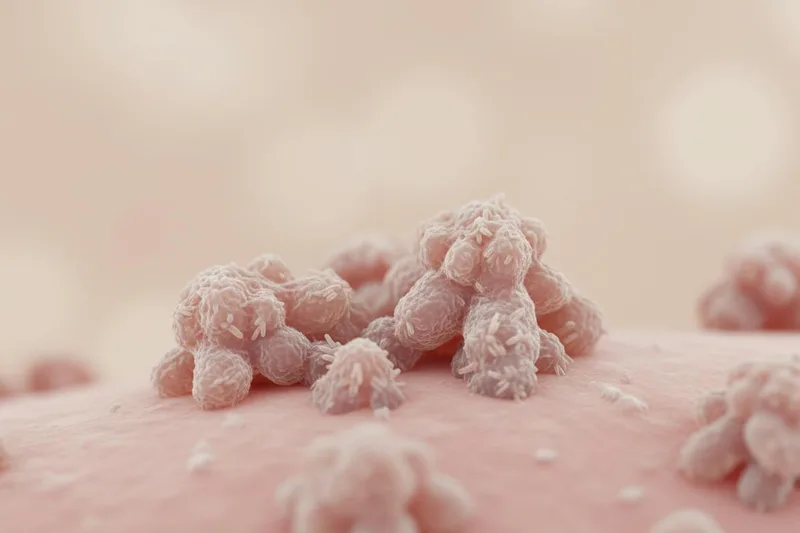
These anal warts start out as very small, soft, raised bumps. They can usually be light brown, yellow, pink, or skin-colored. Sometimes they may ooze a liquid-like substance. These warts can grow in large numbers and form clusters that resemble small cauliflowers. Some people may find this a bit upsetting, but this is how doctors describe them. If these warts are inside your rectum, where stool is stored (the `rectum`), you may not be able to see or feel them.
Who is at higher risk of developing these?
People who are more likely to develop anal warts are:
- For those who have sex or have close contact with someone who has HPV infection.
- For those who have unprotected sex (that is, without using a condom).
- For those who have multiple sexual partners.
- For those with a weak immune system (meaning those whose body's ability to fight disease is reduced).
What are the symptoms of anal warts?
Not everyone has symptoms from these anal warts. The HPV virus can remain dormant in the body for a long time without showing any signs. However, those who do have symptoms usually experience the following:
- Soft lumps on the skin inside or around the anus.
- Light brown, yellow, pink, or skin-colored bumps, sometimes grouped together in clusters.
- Bleeding , especially during bowel movements.
- Itching .
- A liquid-like discharge from the anus (this often happens when there are warts inside the anus).
How do these anal warts occur?
As we've discussed before, these anal warts are caused by the `(HPV)` virus. There are two main ways you can get infected with `(HPV)`:
1. Having sex with an infected person.
2. Direct contact with the rectum or genital area of an infected person. This can be through hand contact, or through contact with the genital or rectal fluids of an infected person.
There are many different strains of the HPV virus. According to the Centers for Disease Control and Prevention (CDC), 90% of anal warts are caused by HPV types 6 and 11. These types are rarely associated with cancer. However, the remaining 10% of anal warts are caused by other HPV types. But remember, having anal warts (although there are types that are associated with a higher risk of cancer) does not mean that you have cancer, nor does it mean that you will definitely develop anal cancer. Don't be alarmed by this, but be aware.
Are these anal warts contagious?
Yes, anal warts are easily transmitted. The human papillomavirus (HPV) virus is also contagious, and can be transmitted even without symptoms. That's why it's so important to follow safety precautions.
Do anal warts cause pain?
This varies from person to person. Some people don't even notice that they have these warts. Others may experience itching or a feeling of something stuck in their anus. Although anal warts can cause some discomfort, they are usually not very painful.
How do doctors diagnose anal warts?
Doctors usually check for anal warts by examining you. During this exam, the doctor looks for warts, as well as the skin around the anus and genital area. Sometimes a small instrument (called an anoscope) may be used to look inside the anus for warts. Women may also need to do a pelvic exam.
If the wart looks a little strange or doesn't respond well to treatment, your doctor may recommend a biopsy. A biopsy involves taking a small piece of tissue from your skin and examining it under a microscope.
What are the treatments for this?
Treatment for anal warts varies. It depends on your symptoms, where the warts are located, and the size of the warts. Sometimes, treatment may include topical ointments, surgery, or a combination of both. Very rarely, doctors will just watch the warts for a few weeks to see if they go away on their own.
Types of topical treatments for anal warts
Small warts that are only on the skin around the anus can usually be treated with topical medications. These include:
- `(Imiquimod)` (e.g. `Zyclara®` or `Aldara®`)
- `(Podofilox)` (e.g. `Condylox®`)
- `(Podophyllin)` (e.g. `Podocon-25®`)
- `(Sinecatechins)` (e.g. `Veregen®`)
It's very important to never use over-the-counter wart removers on your anus or genital area. They don't work well in these sensitive areas.
There are also treatments that "freeze" or "burn" the warts. These may cause some discomfort or swelling:
- Cryotherapy using liquid nitrogen: When liquid nitrogen is applied, the skin freezes, causing the warts to fall off.
- `Trichloroacetic acid`: When this acid is applied to the wart, it destroys and breaks it down.
- Electrocautery: This involves burning and removing warts using heat from electricity.
Surgery for anal warts
If you have large anal warts, or if you have warts inside your anus, your best option may be to have them surgically removed. This surgery involves cutting out the warts and removing them. This is usually done as an outpatient procedure, meaning you can go home and recover after the surgery. Depending on the location of the warts, you may be given local anesthesia or general anesthesia.
Recovery time varies from person to person, so talk to your surgeon about what to expect after surgery.
Do anal warts really need to be removed?
Yes, anal warts need to be removed. Your doctor will tell you what the best way is – it could be surgery, or it could be topical creams.
If left untreated, anal warts can spread and grow. Although very rare, they can also lead to anal cancer. For this reason, if you have symptoms of anal warts, be sure to see a doctor.
Do anal warts go away on their own?
Sometimes anal warts can go away without treatment. This is only possible if the warts are very small and your immune system is strong enough to fight off the virus. However, in most cases, your doctor will recommend treatment.
How can I prevent the formation of these anal warts?
Getting the HPV vaccine and practicing safe sex are the best ways to prevent anal warts. The HPV virus can be present in your body without showing any symptoms. Some people don't even know they have anal warts because they can grow inside the anus. Here are some things you can do to prevent anal warts:
- Always use a condom when having sex.
- Do not have sex with someone who has warts in the anus or genital area.
- Avoid having sex if you have warts in the anus or genital area.
- Get tested regularly for HPV and other STIs (as recommended by your doctor) and encourage your sexual partners to do the same.
- Get the HPV vaccine.
Can anal warts grow back?
Yes, anal warts can come back. Even if you finish treatment for anal warts, the `(HPV)` virus will remain in your body. There is no cure for the virus (`(HPV)`). This means you are at risk of getting anal warts again. Your doctor will talk to you about whether you need to come back for follow-up appointments.
When should I see a doctor?
If you think you have anal warts, talk to a doctor. Common symptoms include:
- Feeling lumps in the rectal area.
- Itching or burning sensation.
- Discharge of blood or other fluid from the anus.
Most of the time, anal warts are just a nuisance, not painful or cancerous. Your doctor will prescribe treatment based on your symptoms and the severity of the infection.
I understand that it can be a little difficult and embarrassing to talk about something like this. But doctors and nurses see things like this every day, and this is nothing new to them. Your health is what matters to them. So don't be afraid or ashamed to seek medical advice.
Finally, things to remember
Okay, so, here are some of the most important things you need to remember from what we've talked about:
- Anal warts are the result of a very common viral infection called ``Human Papillomavirus'' or ``HPV''.
- If you see these , definitely show them to a doctor and get them checked. Because, although very rare, some types of `(HPV)` can lead to cancer. So it's good to know in advance.
- Don't worry, there are good treatments for these warts. They can be cured with ointments or surgery.
- Don't be shy about talking to your doctor about this. No one will judge you. The most important thing is to get the treatment and care you need as soon as possible.
` Anal warts, HPV, sexual health, skin diseases, infections, condyloma, warts


💬 Comments (0)
No comments yet. Be the first to share your thoughts here.
Add Your Comment