
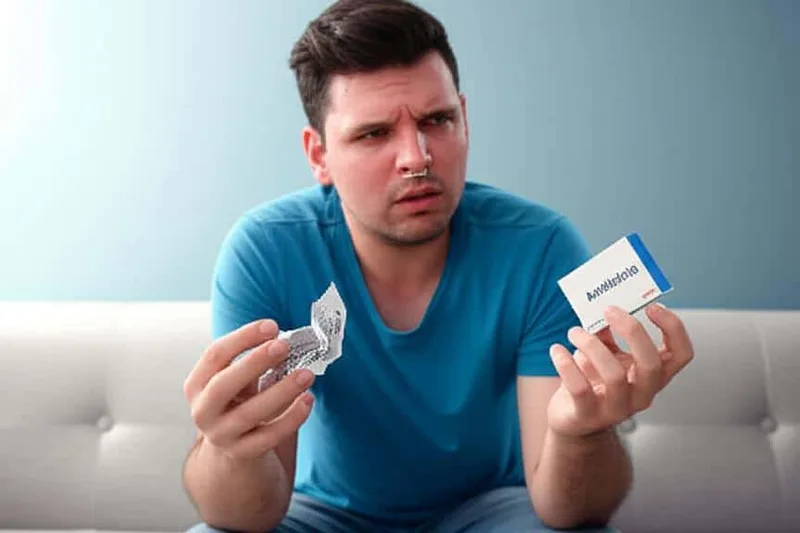
Do you also have a cold and feel really bad? Your nose is running, your head is heavy, your body aches... Even after taking the usual medicine you bought from the pharmacy, you may think, "Hmm... I'll just have to take something stronger." Then the first thing that comes to your mind is to take an antibiotic. But does that really help?
Simply put, no. The truth is, the common cold is caused by a virus. No antibiotic in the world can kill a virus. Antibiotics are designed to treat infections caused by another group of microorganisms called bacteria . That's like trying to kill two enemies with the same weapon.
What happens when you take antibiotics unknowingly?
You might be thinking, "So, even if my cold doesn't get better, what will happen if I take this medicine?" In fact, it can be very harmful. When we use antibiotics unnecessarily, over time, the ability of those medicines to treat diseases decreases. We call this condition antibiotic resistance .
Think about it this way. Bacteria are very cunning creatures. They want to survive somehow. When you take antibiotics over and over again, the bacteria in your body gradually become accustomed to the drug. They think, "Oh... this is what the drug is doing? I need to find a new way to escape from this." Then these bacteria change their genetic makeup to become resistant to the drug.
If you ever develop a serious infection due to bacteria that have changed to be resistant to drugs in this way, it may not be able to be cured with regular antibiotics.
If that happens, your doctor will have to try different antibiotics until they find the right one. In the meantime, your illness could become much more serious.
Not only that, antibiotics are not a medicine without side effects.
- Dizziness
- Vomiting
- Diarrhea
- Yeast Infections in the Vagina in Women
Side effects can range from minor ones like nausea, to severe allergic reactions, breathing difficulties, and even more serious conditions like intestinal damage due to the loss of good bacteria in the body.
So when do you need antibiotics?
Antibiotics are valuable medicines that, when used correctly, can save lives. For example, they are essential for treating some bacterial infections.
- Pneumonia
- Bronchitis
- Strep throat (a throat infection)
- Ear infection
- Some eye diseases (Pinkeye)
Sometimes, when you have a cold from a virus and your immune system is weak, a bacteria can take advantage of that opportunity and enter your body. We call this a secondary bacterial infection . In such a case, you may need antibiotics.
Symptoms that suggest a bacterial infection
A common viral cold will usually clear up within 7-10 days. However, if you have the following symptoms, it may be a bacterial infection.
| Symptom | Things to consider |
|---|---|
| Pain in the face and around the eyes | If the pain increases when bending forward, it could be a sign of a sinus infection. |
| The color of the mucus | If you have thick, yellow, or green mucus coming out. (This can also happen with some viral infections, but it's suspicious if it continues for several days.) |
| Duration of symptoms | If cold symptoms last more than a week or recur after a few days. |
| Severe fever | High fever that does not subside for several days. |
The most important thing: Even if you have these symptoms, only your doctor can determine for sure whether you actually have a bacterial infection and prescribe antibiotics. So never self-medicate.
Let's use antibiotics responsibly.
So, the next time you think about taking an antibiotic, keep these three things in mind.
1. Listen to what the doctor says.
Only a doctor can tell for sure whether you have a virus or bacteria. He or she will examine you and only give you antibiotics if they are needed.
2. Follow the instructions exactly.
Take the medicine exactly as prescribed by your doctor, at the right time, for the right number of days. Don't stop taking the medicine as soon as you feel a little better. If you do, the bacteria that haven't been completely killed can reappear and adapt to become resistant to the medicine. Also, don't keep any medicine left over, saying, "Take it if you get sick later."
3. Do not share medication with others.
Never give someone else the antibiotics that were prescribed for you. Also, never take someone else's medication. Different types of antibiotics are prescribed for different infections. It is very important to take the right medicine for your condition.
Take-Home Message
- The common cold is a viral infection. Antibiotics cannot kill viruses.
- Taking antibiotics unnecessarily leads to the development of antibiotic resistance, a serious health problem in the future.
- Only your doctor can decide whether you need antibiotics or not. Don't take medication on your own.
- If a doctor prescribes antibiotics, take them for the full prescribed number of days and in the prescribed dosage.
- Never give your antibiotics to others or use someone else's.


💬 Comments (0)
No comments yet. Be the first to share your thoughts here.
Add Your Comment