

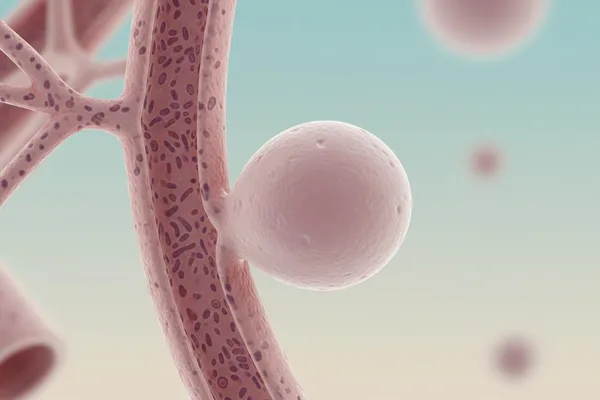
You must have heard of the aorta, the main blood vessel that pumps blood throughout our body. Imagine, what if this main vessel, right where it connects to the heart, at the "root," became a little weak and bulged out like a balloon? That's what we call an aneurysm in medicine. This is very dangerous, because at any time this weakened wall can dissect or rupture. If that happens, there can be excessive bleeding inside the body and even life-threatening consequences. So, Aortic Root Replacement is a very important surgery that is performed to stop such life-threatening conditions. Today, we will talk about this simply, in a way that you can understand.
What is this Aortic Root Replacement surgery?
Simply put, this is an operation to repair an aneurysm in the aortic root, the main artery that connects your heart. Sometimes, both the root of your aorta and the valve in it are replaced. Other times, only the root of your aorta is replaced, leaving your normal valve intact. Your doctor will decide which type of surgery is right for you based on many factors, including the condition of your valve.
What are the main types of this surgery?
There are two main methods of this surgery. One is to replace both the root of the aorta and the valve. The other is to replace only the root, leaving the valve intact. Both have advantages and disadvantages.
1. Aortic Root Replacement (ARR)
This procedure is also called the Bentall procedure . It is performed for people with an aortic aneurysm and a problem with the valve. For example, if the valve does not close properly and blood leaks backward (aortic valve regurgitation) or if the valve has become calcified (hardened).
- Main advantage: The biggest advantage of this is that you don't need to have a separate operation to repair the valve again after the surgery. Both the aneurysm and the valve problem are solved at the same time.
- Risks: If you have a mechanical valve inserted during this surgery, you will need to take blood thinners/anticoagulants for the rest of your life. There is a small risk of blood clots or bleeding due to these medications.
2. Valve-Sparing Root Replacement (VSRR)
This is the best option if your aortic valve is working properly without any problems. For example, if there is no blood leakage or thickening from the valve, this method may be chosen. This is especially the best solution for people who develop aneurysms at a young age due to genetic conditions.
This procedure involves replacing just the root of your aorta and reattaching your own natural valve to it. There are two main methods, named after the doctors who discovered them.
- Yacoub procedure: This involves remodeling the aortic valve. This is often suitable for older people who have aneurysms due to non-genetic causes.
- David procedure: This involves reimplantation of the aortic valve. This is a more common but more complicated procedure than the Jacob procedure. It is best for younger people with a genetic condition or a bicuspid aortic valve .
The biggest advantage of VSRR surgery is that there is no need to take blood thinners for the rest of your life. It also reduces the risk of stroke or infections like endocarditis.
Shall we learn a little about the aortic root?
The root of the aorta is the first part of the body's largest blood vessel, the aorta, where it connects to the heart. It's like the root of a tree. The aorta, which comes out of the heart, curves upward, like a curve. That curve starts where the root of the aorta begins. This part is very complex.
- Aortic Valve: This is where the valve that acts like a gate lets blood flow from the heart into the aorta, but prevents it from flowing back.
- Coronary Arteries: The two most important blood vessels that supply blood to the heart begin at the base of this aorta.
- Sinuses of Valsalva: This is the name given to the small swellings at the beginning of the coronary arteries.
When we are young, all these parts are very flexible. But as we age, this flexibility decreases. This is why some problems arise. Since this part is very complex, the surgeries performed on it are also complex. However, with the help of experienced and skilled surgeons, this surgery can be successfully performed and your heart can be healthy again.
Who really needs this surgery?
This surgery is needed for people who have an aneurysm in the aorta that is at risk of bursting or rupturing. Sometimes these develop due to changes in the aorta with age. Also, genetic conditions such as Marfan syndrome and Loeys-Dietz syndrome can cause fatal aneurysms at a young age.
Imagine, if someone with Marfan syndrome does not receive treatment, there is a high risk of an aneurysm bursting and death. The average age of death for people in that group is about 32 years old. However, if you have this surgery, you can extend your life span to that of a normal person. Therefore, if anyone in your family has this type of genetic disease, it is essential to talk to your doctor about your risk and decide the best time for surgery.
| Medical condition/risk factor | The diameter of the aneurysm that requires surgery |
|---|---|
| Unless there is a specific genetic condition or other risk factors | 5.5 centimeters |
| If you have Marfan syndrome | 5.0 centimeters |
| If you have other risks such as Marfan syndrome and family history, rapid growth, or planning to become pregnant | 4.5 centimeters |
| If you have other risks, such as a bicuspid aortic valve and high blood pressure | 5.0 centimeters |
The important thing is that these numbers are not the same for everyone. This decision can vary depending on your age, overall health, and factors like uncontrolled high blood pressure and smoking. So, talk to your doctor about your specific risks and the best time for surgery.
What happens before, during and after the surgery?
Since this is a major surgery, it requires good preparation.
Before surgery
Your doctor will give you a full examination. He or she will also refer you to a dentist for a dental checkup. In addition, they will perform several tests, such as:
- Blood tests: Check kidney function.
- CT or MRI scan of the heart: This can examine all parts of the aorta. Other problems can sometimes be fixed during the same surgery.
- Coronary Angiography: Check the condition of the coronary arteries that supply blood to the heart.
- Duplex Ultrasound: Checks the condition of the carotid arteries in the neck. Problems with these can increase the risk of paralysis during surgery.
Also, your doctor will ask you about these things:
- Medications you take: You should tell your doctor about any medications or vitamins you take. Some medications may require you to stop taking them before surgery.
- Other medical conditions: If you have any medical conditions such as high blood pressure, they should be well controlled before surgery.
- Your current condition: Be sure to tell us if you have any illness, such as a cold or fever.
- Smoking: Smoking should be completely stopped at least one month before surgery.
During surgery
You will be given anesthesia to put you completely asleep. Then you will be connected to a heart-lung machine (cardiopulmonary bypass) . This machine will do the work of your heart and lungs during the surgery. The surgeon will then follow these steps:
1. Median Sternotomy: An incision is made in the middle of the chest to separate the breastbone (sternum) and access the heart.
2. Aneurysm removal: The weakened and bulging part of the aorta is cut out and removed.
3. Graft Insertion: An artificial blood vessel (graft) is inserted to replace the removed part.
4. Replacing or saving the valve: You replace the valve or reinstall your own valve according to the ARR or VSRR method discussed earlier.
5. Coronary artery bypass grafting: The coronary arteries that supply blood to the heart are connected to the new graft.
6. Stitching the incision: Finally, the chest incision is stitched back together.
This surgery usually takes between four and six hours.
After the surgery
After surgery, you will need to stay in the intensive care unit (ICU) for a few days. Then you will be transferred to a regular ward. The entire hospital stay can take about a week. During this time:
- I'll give you painkillers.
- You may be connected to a machine to help you breathe.
- Special stockings are worn to prevent blood clots.
- Some people are given blood-thinning medication.
After you go home from the hospital, follow the doctor's instructions exactly. Don't rush things. Get well soon. You can't drive until you're well.
What are the benefits, risks, and success rates of the surgery?
| Section | Description |
|---|---|
| Main advantage | To prevent a potentially fatal emergency situation where an aneurysm bursts or ruptures. Simply put, this is a life-saving surgery. |
| Risks and complications | Like any major surgery, there are risks. Bleeding, blood clots, infection, heart attack or stroke, and kidney failure are possible. But these are very rare. |
| Recovery time | It can take 6 to 12 weeks or two to three months to fully recover. It is very important to participate in a cardiac rehabilitation program during this time. |
| Success and survival | These surgeries are very successful. Between 98% and 99% of people survive the surgery. Even after 10 years, about 86% - 90% of people will not need another surgery. This is a long-term solution. |
When should you see a doctor?
Pay close attention to your body during your recovery. If you notice any of the following , call your doctor immediately:
- Questions related to the incision:
- Redness, pain, swelling, or warmth around the incision.
- The bandage becomes so wet that blood or clear fluid oozes out.
- Green or yellow pus discharge.
- The edges of the incision are moving apart.
- Other questions:
- Chest pain or difficulty breathing even at rest.
- Swelling of the legs or inability to move the legs.
- Dizziness, drowsiness, or extreme fatigue.
- Coughing up blood or green/yellow mucus.
- Having a cold and getting a fever.
- Blood in the stool.
When do you need to go to the Emergency Treatment Unit (ETU)?
If you have an untreated aneurysm, go to the nearest hospital emergency department (ETU) immediately if you experience the following symptoms. These may be signs of a ruptured aneurysm:
- Sudden, unbearable pain in the chest or upper back. It may feel like something is being torn from inside the body.
- Sweating and feeling clammy.
- Difficulty breathing.
- Dizziness or lightheadedness.
- Heart rate increases.
- Nausea and vomiting.
It's normal to feel scared when you hear about heart surgery. But remember, this surgery is something that can save your life and give you the opportunity to live a healthy life for a long time. Your doctor and medical team are experienced in performing these types of surgeries. So talk to them about any questions or fears you may have.
Take-Home Message
- Aortic Root Replacement is a life-saving surgery performed to prevent the rupture of an aneurysm at the root of the heart's aorta.
- Depending on the condition of your aortic valve, this surgery can be performed with the valve (ARR) or with the valve spared (VSRR).
- This surgery is very successful. The survival rate is more than 98%. Also, it is a long-term solution.
- It is imperative to stop smoking and control diseases such as high blood pressure before surgery.
- If you develop any unusual symptoms (infection of the incision, severe chest pain) during your recovery, notify your doctor immediately.
- If you have any concerns or doubts about this surgery, talk to your doctor about it openly. They will help you.




💬 Comments (0)
No comments yet. Be the first to share your thoughts here.
Add Your Comment