

Have you or someone close to you been diagnosed with malaria, and did your doctor prescribe this medicine? Or perhaps you simply want to learn more about this treatment to protect your health? If so, this guide is written specifically for you. Let us break down everything you need to know about Artemether and Lumefantrine, often known by its popular brand name Coartem, in clear and simple terms.
Malaria is a serious infection caused by tiny parasites that enter your bloodstream through mosquito bites. When these parasites multiply inside your body, they cause severe chills, fevers, and body aches. Treating this infection quickly and correctly is vital to your recovery and well-being. This medicine acts as a powerful antimalarial agent designed to clear those harmful parasites from your bloodstream.
Key Takeaways at a Glance
- Always take this medicine with a fat-containing meal or milk so your body can absorb it properly.
- Never drink grapefruit juice while taking this treatment because it changes how the medicine works.
- Finish your full course of medicine even if you start feeling completely better.
- Tell your doctor about every single medicine, vitamin, or supplement you take.
- Use a backup birth control method because this medicine can make birth control pills less effective.
Know your body mass index (BMI) and weight classification
What is This Medicine?
Put simply, this is a special prescription medicine used to treat malaria. In medical terms, it is an antimalarial combination therapy. When malaria parasites enter your body, this medicine destroys them and helps you get better. It combines two active medicines into one: artemether and lumefantrine. Both medicines work together as a powerful team to fight off the malaria infection.
The most important rule to remember is that you must only use this medicine when a doctor prescribes it. Never take this medicine based on your own judgment, and never share your prescription with anyone else. Always follow your doctor's exact instructions for the best results.
Things to Tell Your Doctor Before You Start
Your doctor needs a complete picture of your health before prescribing this medicine. Therefore, you must share your full medical history without holding anything back. If you have any of the health conditions listed below, tell your doctor right away.
| Your Health Condition | Why Your Doctor Needs to Know |
|---|---|
| Heart disease | This medicine can sometimes affect your heart rhythm. Your doctor must monitor you closely if you have heart issues. |
| Kidney disease | Your kidneys help filter medicines out of your body. If they are weak, your doctor may need to adjust your dose. |
| Liver disease | Your liver processes this medicine. Liver problems can change how the drug works in your body. |
| Allergies | Always mention if you have allergic reactions to medicines, foods, dyes, or other substances. |
| Pregnancy or trying to conceive | Your doctor must carefully weigh the risks and benefits if you are pregnant or planning to get pregnant. |
| Breastfeeding | Medicines can pass into breast milk, so tell your doctor if you are nursing your baby. |
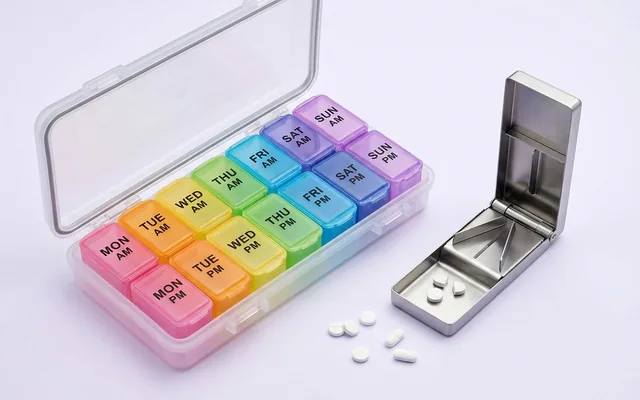
Airtight double-lock weekly medication organizer with removable day pods and a surgical stainless-steel tablet cutter for accurate half-tablet splitting and adherence.
View Clinical Details →How to Use This Medicine Correctly
How to Take Your Doses
You take these tablets by mouth with liquid. Taking your dose with a meal or with milk is best because fatty foods help your body absorb the lumefantrine ingredient properly. Taking the medicine with food ensures you get the full healing benefit.
Here is a vital rule: never drink grapefruit juice while taking this medicine. Grapefruit juice causes too much medicine to build up in your blood, which can lead to dangerous side effects. Keep grapefruit and its juice completely out of your diet during this time.
If you are giving this medicine to a young child who cannot swallow pills, you can crush the tablet. Mix the crushed powder in a clean container with one or two teaspoons of water right before giving it. Never mix and store the liquid ahead of time.
Important Instructions to Follow
- Finish your full course: Do not stop taking the medicine just because you start feeling better. Take every single dose your doctor prescribed for the exact number of days. If you stop early, surviving parasites can multiply and bring the malaria back.
- If you vomit: If you throw up within one hour of taking your dose, take another dose right away. If you vomit a second time, call your doctor right away for further guidance.
- Giving medicine to children: Doctors sometimes prescribe this medicine for children older than two months. However, a pediatrician must make that decision. Always discuss treatment plans with your child's doctor first.
What to Do If You Take Too Much
If you believe you took more medicine than prescribed, act quickly. Go to the nearest hospital emergency department (ER) or emergency room right away. In the US or Canada, call 911. In the UK, call 999. You can also contact your local poison control center for immediate help.
Other Things That Interact With This Medicine
This is a very important part of your treatment. Other medicines can change how Artemether and Lumefantrine work in your body. In turn, this medicine can affect how other drugs work. Therefore, tell your doctor about every substance you take, including vitamins, herbal remedies, and over-the-counter products.
| Never Take Artemether and Lumefantrine With These! |
|---|
|
| Tell Your Doctor If You Use These Medicines |
|---|
|
Things to Watch Out For While Taking Treatment
- Track your symptoms: If your symptoms do not improve or if they get worse, tell your doctor right away. Also, if fevers, body aches, or headaches return after you finish your medicine, let your doctor know right away. This could mean the infection was not fully cleared.
- Birth control warning: This is very important. This medicine can make birth control pills less effective. If you want to avoid pregnancy, use a backup barrier method like condoms during your treatment and for several weeks afterward. Talk to your doctor about the best protection options.
- Eating and vomiting challenges: If you struggle to eat regular meals or keep food down due to nausea, tell your doctor. Because your body needs food to absorb this medicine, poor food intake can cause the treatment to fail.
Possible Side Effects
Like all medicines, this treatment can cause side effects, though not everyone experiences them. Most side effects are mild and go away on their own.
| Get Medical Help Quickly If You Notice These Signs | |
|---|---|
| Allergic reactions | Skin rashes, itching, swelling of your face, lips, or tongue, or trouble breathing. |
| Irregular heartbeats | Pounding in your chest, feeling dizzy, fainting spells, or sudden shortness of breath. |
| Common Mild Side Effects (Tell Your Doctor If They Continue) | |
|---|---|
| Cough | Headache |
| Dizziness | Loss of appetite |
| Fever or chills | Muscle pain |
| Nausea and vomiting | Feeling weak and tired |
If you notice any unusual symptoms not listed here, speak with your doctor or pharmacist right away.
How to Store Your Medicine Properly
- Keep all medicines safely out of reach and sight of children.
- Store your tablets at normal room temperature, between 15°C and 30°C (59°F to 86°F).
- Keep the medicine away from excessive heat, moisture, and direct sunlight.
- Safely throw away any medicine that has passed its expiration date.
When to Seek Emergency Medical Help
Get emergency medical help right away if you experience severe allergic reactions, trouble breathing, chest pain, a racing heartbeat, or sudden severe confusion. Call 911 (US/Canada), 999 (UK), or go to your nearest emergency department right away.


No comments yet. Be the first to share your question or experience below.