

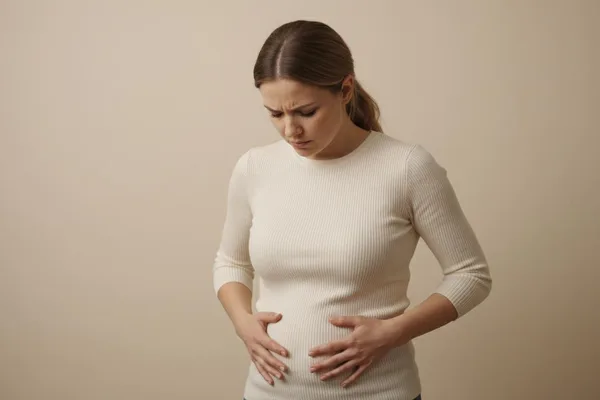
Have you ever felt like your stomach is just bloated, very heavy, and the clothes you wear suddenly feel tight? Maybe your body weight has suddenly increased by one or two kilos in a few days. This is not a normal increase, this may be due to a condition called 'ascites', which is a condition in which the stomach fills with water. This often appears as a symptom of another serious illness in our body. So let's talk about this simply today.
What exactly is Ascites?
Simply put, ascites is the accumulation of excess fluid in your abdominal cavity, or belly. This can happen gradually, or it can happen all at once.
Imagine, there is a thin membrane around the organs inside our abdomen, such as the stomach, intestines, liver, and kidneys. We call this the peritoneum. It has two layers. Normally, there is a very small amount of fluid between these two layers, so that the organs can move easily without bumping into each other. But in the case of ascites, an abnormal amount of fluid accumulates between these two layers. That's when the abdomen becomes enlarged and feels like there is a ball of water inside the abdomen.
See if you have these characteristics too.
The main symptoms of ascites are a sudden increase in the size of the abdomen and a sudden increase in body weight within two to three days. Some people may also experience swelling of the legs (edema).
| Symptom | Description |
|---|---|
| Difficulty breathing | As the amount of water in your stomach increases, it presses on your lungs, making it difficult to breathe. |
| Difficulty moving around and sitting down | The body feels uncomfortable as the belly grows. It becomes difficult to do things like sit, walk, and bend over. |
| Digestive problems | Bloating, stomach pain, loss of appetite, and constipation may occur. |
| Back pain | The increased weight in the abdomen can put additional pressure on the back and cause back pain. |
| Feeling tired | You may feel tired all the time due to physical discomfort and illness. |
Why does my stomach feel so full of water? What are the main reasons?
The main and most common cause of ascites is cirrhosis of the liver . This means that liver cells are destroyed and replaced with fibrous tissue (scars) that prevents the liver from functioning properly. But this is not the only cause.
There may be other reasons:
- Congestive heart failure
- Kidney failure
- Cancers of the abdominal and pelvic organs
- Tuberculosis
- Very rarely, a kidney disease called nephrotic syndrome can also be the cause.
How does ascites develop due to cirrhosis of the liver?
This needs a little explanation. Imagine that there is a main vein that carries blood through our liver, called the portal vein. When the liver becomes cirrhotic, that is, when the liver becomes scarred, these blood vessels become blocked. Then the blood pressure inside this vein increases significantly. In medicine, this is called portal hypertension .
When this pressure increases, our kidneys get the wrong signal to retain salt (sodium) and water in the body. Over time, the salt and water that are retained in this way, due to that increased pressure, begin to leak out of the blood vessels and accumulate in the abdominal cavity. This is how the stomach fills with water.
Who is at higher risk of developing ascites?
Anyone who has liver damage that can lead to cirrhosis is at increased risk of developing ascites. Such conditions include:
- Diseases associated with fatty liver (Metabolic dysfunction-associated steatohepatitis - MASH)
- Alcohol use disorder
- Hepatitis B and Hepatitis C viral infections
- Diseases in which the body's immune system attacks the liver (Autoimmune hepatitis)
- Genetic liver diseases like hemochromatosis and Wilson's disease
What are the possible complications of ascites?
Ascites is not just a swelling of the abdomen. It can cause other serious health problems.
Ascites is a serious sign that the liver is not functioning properly, so never ignore it.
| Side effect | Description |
|---|---|
| Constant stomach discomfort | The pain, discomfort, and difficulty breathing caused by fluid in the abdomen can make it difficult to perform daily activities such as eating and walking. |
| Infections | The fluid that collects in the abdomen can become infected with germs. This is called peritonitis. This can cause fever and severe abdominal pain. This may require IV antibiotics. |
| Fluid around the lungs (Hepatic hydrothorax) | Water in the stomach can leak into the chest and collect around the lungs. This can cause difficulty breathing, coughing, and low oxygen levels in the blood (hypoxemia). |
| Hernia | Due to increased pressure in the abdomen, things like intestines can protrude through weak spots in the abdomen. This is called a hernia. |
| Kidney failure | When cirrhosis of the liver becomes severe, it can also affect kidney function and lead to kidney failure. |
How does a doctor find this?
When you go to see a doctor, he will first ask you about your symptoms and examine your abdomen. You can get a rough idea of whether there is fluid in the abdomen by tapping it with your finger.
Then, to confirm the exact condition, the following tests can be performed:
- Ultrasound or CT scan: These types of scans can clearly see things like the amount of water in the abdomen and the condition of the liver.
- Paracentesis: This involves inserting a very thin needle into the abdomen and taking a small amount of fluid from the abdomen. This fluid can be tested to see if it contains cancer cells or bacteria. This test is very important to determine the exact cause of ascites.
What are the treatments for ascites?
The main goal when treating ascites is to reduce the amount of fluid that accumulates in the abdomen and prevent it from accumulating again.
Basic treatment methods
- Controlling salt (sodium): Doctors first advise reducing the amount of salt you eat. You can say that you should consume less than 2000 milligrams of salt per day. This means that you should reduce the amount of salt you add to your food and completely avoid foods with hidden salt, such as dried fruits, pickles, sauces, sausages, store-bought foods, and packaged foods.
- Diuretics (water pills): These medications cause the kidneys to excrete excess water and salt from the body through urine.
- Treating the underlying disease: If the cause of ascites is cancer, treating it will also reduce the amount of fluid in the abdomen.
Sometimes this treatment may not be enough...
Some people find it difficult to control their stomach acid even after controlling salt intake and drinking water pills. In such cases, they have to resort to other treatment methods.
- Paracentesis: This is both a test and a treatment. This procedure removes a large amount of fluid from the abdomen using a needle. Although this provides quick relief, it may need to be repeated as the fluid can build up again.
- TIPS (Transjugular intrahepatic portosystemic shunt) procedure: This is a slightly more complicated procedure. It involves creating a small bypass (shunt) between the portal vein, which is under increased pressure, and another vein that carries blood from the liver. This allows the blood to take a new route through the liver, bypassing the congestion, which reduces the pressure and reduces the amount of fluid in the abdomen.
- Liver transplant: For people with very severe cirrhosis of the liver, a liver transplant may be necessary as a last resort.
When should you see a doctor?
If you have a condition like cirrhosis of the liver, see your doctor immediately if you experience the following symptoms:
- If your body weight suddenly increases.
- If you feel like your stomach is getting bigger.
- If you have difficulty breathing.
If the following symptoms occur, go to the hospital's Emergency Treatment Unit (ETU) immediately without any delay:
- Fever
- Very severe stomach pain
Take-Home Message
- Ascites is the accumulation of fluid in the abdomen. This is a serious condition that is often caused by cirrhosis, a liver disease.
- The main symptoms are a large belly, weight gain, difficulty breathing, and swollen legs.
- Salt control and taking diuretics (water pills) are the primary treatment options.
- Weigh yourself daily. If you gain more than one kilogram per day for three consecutive days, inform your doctor.
- Avoid drinking alcohol completely. This further damages the liver.
- Avoid taking NSAID painkillers (e.g., ibuprofen, aspirin) without medical advice. These increase water and salt retention in the body.
- If you develop a fever and severe abdominal pain, it could be a sign of an infection. Go to a hospital's Emergency Department (ETU) immediately.




💬 Comments (0)
No comments yet. Be the first to share your thoughts here.
Add Your Comment