What is Astrocytoma? Let's learn about these tumors that form in the brain in a simple way.

What is Astrocytoma? Let's learn about these tumors that form in the brain in a simple way.

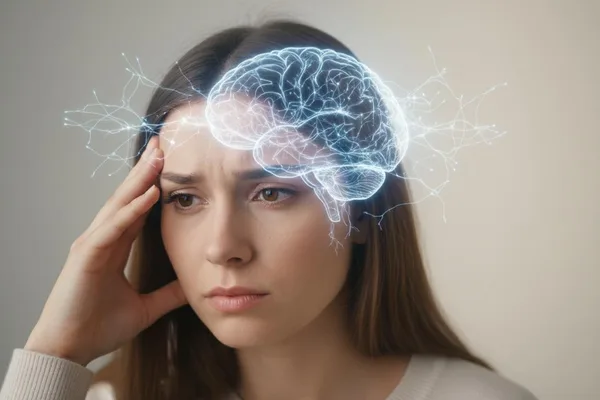
Do you often get headaches? Do you vomit? Or do you feel like your memory is gradually decreasing, or your words are slurred when you speak? Although these things can happen for normal reasons, rarely, they can be symptoms of a brain tumor. So today we are going to talk about a type of tumor that forms in the brain and spinal cord, called 'Astrocytoma'. Don't worry, let's understand everything about this simply.

Simply put, what is Astrocytoma?

Astrocytoma is a type of tumor that can develop in our central nervous system (CNS) , which is mainly in the brain, but sometimes in the spinal cord. These tumors develop from a special type of star-shaped cell in our brain called an 'astrocyte'. These astrocyte cells are a type of cell that acts as a support for other nerve cells in the brain, nourishing and protecting them. An astrocytoma tumor forms when these cells start to grow uncontrollably.

The important thing is that not all of these Astrocytomas are cancerous. Some are benign tumors. But some can also be cancerous (malignant).

Astrocytoma is the most common type of brain tumor called glioma.

Are there types and grades of Astrocytoma?

Yes, the World Health Organization (WHO) has divided Astrocytoma tumors into four main grades (Grades 1-4) based on their growth rate and ability to spread to surrounding tissues. Grade 1 is the least severe, and Grade 4 is the most severe and rapidly spreading.

Let's understand these with a table.

Grade Description and types
Grade 1 (Noncancerous)

These are benign tumors that grow very slowly and do not spread. Once completely removed by surgery, no further treatment (radiation or chemotherapy) is usually needed.

  • Pilocytic astrocytoma: Common in children. It most commonly develops in the cerebellum, a small part of the brain.
  • Pleomorphic xanthoastrocytoma: Grows rapidly and often causes seizures.
  • Subependymal giant cell astrocytoma (SEGA): These mainly occur in children with a genetic condition called `Tuberous sclerosis`.
Grade 2 (Cancerous) These are cancerous tumors. They have a tendency to spread to surrounding brain tissue. Therefore, surgery alone may not be sufficient for treatment.
Grade 3 (Cancerous) These are more aggressive and faster-growing tumors than grade 2. Often, grade 2 tumors can progress to this stage over time. Surgery alone cannot cure them. Radiation and chemotherapy are definitely needed.
Grade 4 (Cancerous) These are also called glioblastoma . This is the most aggressive, fastest-growing, and most aggressive type of astrocytoma. It is also the most common type of brain cancer in adults.

Who is most likely to get this disease?

Astrocytoma can develop at any age, but different grades are more common in different age groups.

  • Grade 1: Common among children and young adults.
  • Grade 2: Most common in adults between the ages of 20 and 60.
  • Grade 3: Common in adults between 30 and 60 years old.
  • Grade 4 (Glioblastoma): Common among adults between 50 and 80 years old.

Men are slightly more likely to develop severe (grade 3 and 4) astrocytomas.

What are the symptoms of this?

Symptoms depend on the size of the tumor and its location in the brain. Because different parts of the brain control different functions in our body, when the tumor puts pressure on that part, the symptoms related to that part appear.

Here are some common symptoms.

Symptom Description
Headaches A frequent, severe headache upon waking in the morning that does not respond to ordinary painkillers.
Nausea and vomiting Nausea and vomiting without any specific reason.
Seizures Having a seizure for the first time in life.
Mental and behavioral changes Memory loss, difficulty concentrating, personality changes (suddenly becoming angry, sad), and confusion.
Physical discomfort Vision problems (blurred vision, double vision), difficulty speaking (aphasia), numbness or weakness on one side of the body, and difficulty walking.

If you have one or more of these symptoms in a row, please see your doctor as soon as possible.

What are the causes of astrocytoma?

In fact, the exact cause of most astrocytomas is still unknown . They often occur sporadically, without any apparent cause. However, there are two risk factors that researchers have identified.

1. Radiation Exposure: Radiation therapy to the head, especially as a child, for another cancer may increase the risk of developing astrocytoma later in life.

2. Rare Genetic Conditions: Some rare, inherited genetic conditions may increase the risk of developing Astrocytoma. Examples:

  • Li-Fraumeni syndrome
  • Neurofibromatosis type 1 (NF1)
  • Tuberous sclerosis
  • Turcot syndrome

How to diagnose the disease?

When you go to the doctor, he will first listen carefully to your symptoms and examine you, especially a neurological exam.

After that, you may be referred for several tests to look inside the brain.

  • MRI (Magnetic Resonance Imaging) scan: This is the best and clearest way to detect brain tumors.
  • CT (Computed Tomography) Scan: This test is performed when an MRI is not possible (e.g., if a pacemaker is implanted).

If this scan shows something abnormal in the brain, a biopsy is then performed to find out exactly what type of tumor it is. This involves surgically removing a small piece of the tumor and examining it under a microscope. Sometimes, this tissue is taken during the same surgery (resection) that completely removes the tumor.

What are the treatments?

Treatment is determined by several factors, including the type (grade) of the tumor, its size, its location in the brain, your age, and your overall health. Neurologists, neurosurgeons, and oncologists usually work together to determine the best treatment plan.

The main treatment methods are:

1. Surgery

Surgery is the first treatment option whenever possible. This has several key advantages:

  • A tissue sample can be obtained to accurately identify the type of tumor.
  • You can reduce the pressure on the brain by removing as much of the tumor as possible.
  • The symptoms that arise can be relieved.

If grade 1 astrocytoma tumors can be completely removed surgically, the disease can be completely cured.

2. Adjuvant Therapies

In severe cases (grades 2, 3, 4), additional treatments are needed to destroy any remaining cancer cells after surgery.

  • Radiation Therapy: The use of high-energy rays (such as X-rays) to destroy cancer cells.
  • Chemotherapy: Giving drugs that kill cancer cells or stop their growth. `Temozolomide (TMZ)` is a commonly used drug for this.
  • Tumor-treating fields: This is a special device worn like a helmet. The electric fields it emits control the growth of cancer cells. This may be recommended for glioblastoma (grade 4).
  • Bevacizumab: This is a vaccine. It stops the formation of blood vessels that supply blood to the tumor, controlling tumor growth.

What is the prognosis of this disease?

The recovery and survival rate of the disease depends on several factors.

  • Grade of the tumor: The condition may become more severe as the grade increases.
  • The amount that can be removed surgically: If more of the tumor can be removed, the results will be better.
  • Age: Younger people usually get better results.
  • Overall health status: It is important that the patient's health status is good when the disease is diagnosed.

Usually,

  • Grade 1: There is a possibility of survival of more than 10 years after surgery.
  • Grade 2: More than 5 years.
  • Grade 3: Between 2 and 5 years.
  • Grade 4 (Glioblastoma): Usually about a year.

Important: Please remember that these are just average values ​​based on data from a large group of people. These may vary depending on your individual situation. Therefore, it is best to consult your doctor for the most accurate information about your situation.

Take-Home Message

  • Astrocytoma is a type of tumor that occurs in the brain or spinal cord. There are both cancerous and noncancerous types.
  • These are classified from grades 1 to 4 according to their severity. Grade 1 is the least severe, and grade 4 (Glioblastoma) is the most severe.
  • Do not ignore symptoms such as frequent headaches, vomiting, seizures, and memory loss. If these persist, see a doctor immediately.
  • Surgery, radiation therapy, and chemotherapy are the main treatment methods used.
  • Although learning about a brain tumor can be frightening, with the right treatment and medical advice, you can manage your symptoms and move on with your life. Your medical team is always ready to help you.

Astrocytoma sinhala, brain tumors, glioblastoma sinhala, brain tumor sinhala, brain cancer, headache, seizures, astrocytoma symptoms

⚠️ Important: The medical articles and information on Nirogi Lanka are for general awareness only, and are by no means a substitute for professional medical advice, diagnosis, or treatment. For any medical problem you have, consult a qualified physician immediately.

💬 Comments (0)

No comments yet. Be the first to share your thoughts here.

Add Your Comment

Please calculate: 2 + 7 =
What is Astrocytoma? Let's learn about these tumors that form in the brain in a simple way.
How the Body WorksJuly 7, 2026

What is Astrocytoma? Let's learn about these tumors that form in the brain in a simple way.

Do you often get headaches? Do you vomit? Or do you feel like your memory is gradually decreasing, or your words are slurred when you speak? Although these things can happen for normal reasons, rarely, they can be symptoms of a brain tumor. So today we are going to talk about a type of tumor that forms in the brain and spinal cord, called 'Astrocytoma'. Don't worry, let's understand everything about this simply.

Simply put, what is Astrocytoma?

Astrocytoma is a type of tumor that can develop in our central nervous system (CNS) , which is mainly in the brain, but sometimes in the spinal cord. These tumors develop from a special type of star-shaped cell in our brain called an 'astrocyte'. These astrocyte cells are a type of cell that acts as a support for other nerve cells in the brain, nourishing and protecting them. An astrocytoma tumor forms when these cells start to grow uncontrollably.

The important thing is that not all of these Astrocytomas are cancerous. Some are benign tumors. But some can also be cancerous (malignant).

Astrocytoma is the most common type of brain tumor called glioma.

Are there types and grades of Astrocytoma?

Yes, the World Health Organization (WHO) has divided Astrocytoma tumors into four main grades (Grades 1-4) based on their growth rate and ability to spread to surrounding tissues. Grade 1 is the least severe, and Grade 4 is the most severe and rapidly spreading.

Let's understand these with a table.

Grade Description and types
Grade 1 (Noncancerous)

These are benign tumors that grow very slowly and do not spread. Once completely removed by surgery, no further treatment (radiation or chemotherapy) is usually needed.

  • Pilocytic astrocytoma: Common in children. It most commonly develops in the cerebellum, a small part of the brain.
  • Pleomorphic xanthoastrocytoma: Grows rapidly and often causes seizures.
  • Subependymal giant cell astrocytoma (SEGA): These mainly occur in children with a genetic condition called `Tuberous sclerosis`.
Grade 2 (Cancerous) These are cancerous tumors. They have a tendency to spread to surrounding brain tissue. Therefore, surgery alone may not be sufficient for treatment.
Grade 3 (Cancerous) These are more aggressive and faster-growing tumors than grade 2. Often, grade 2 tumors can progress to this stage over time. Surgery alone cannot cure them. Radiation and chemotherapy are definitely needed.
Grade 4 (Cancerous) These are also called glioblastoma . This is the most aggressive, fastest-growing, and most aggressive type of astrocytoma. It is also the most common type of brain cancer in adults.

Who is most likely to get this disease?

Astrocytoma can develop at any age, but different grades are more common in different age groups.

  • Grade 1: Common among children and young adults.
  • Grade 2: Most common in adults between the ages of 20 and 60.
  • Grade 3: Common in adults between 30 and 60 years old.
  • Grade 4 (Glioblastoma): Common among adults between 50 and 80 years old.

Men are slightly more likely to develop severe (grade 3 and 4) astrocytomas.

What are the symptoms of this?

Symptoms depend on the size of the tumor and its location in the brain. Because different parts of the brain control different functions in our body, when the tumor puts pressure on that part, the symptoms related to that part appear.

Here are some common symptoms.

Symptom Description
Headaches A frequent, severe headache upon waking in the morning that does not respond to ordinary painkillers.
Nausea and vomiting Nausea and vomiting without any specific reason.
Seizures Having a seizure for the first time in life.
Mental and behavioral changes Memory loss, difficulty concentrating, personality changes (suddenly becoming angry, sad), and confusion.
Physical discomfort Vision problems (blurred vision, double vision), difficulty speaking (aphasia), numbness or weakness on one side of the body, and difficulty walking.

If you have one or more of these symptoms in a row, please see your doctor as soon as possible.

What are the causes of astrocytoma?

In fact, the exact cause of most astrocytomas is still unknown . They often occur sporadically, without any apparent cause. However, there are two risk factors that researchers have identified.

1. Radiation Exposure: Radiation therapy to the head, especially as a child, for another cancer may increase the risk of developing astrocytoma later in life.

2. Rare Genetic Conditions: Some rare, inherited genetic conditions may increase the risk of developing Astrocytoma. Examples:

  • Li-Fraumeni syndrome
  • Neurofibromatosis type 1 (NF1)
  • Tuberous sclerosis
  • Turcot syndrome

How to diagnose the disease?

When you go to the doctor, he will first listen carefully to your symptoms and examine you, especially a neurological exam.

After that, you may be referred for several tests to look inside the brain.

  • MRI (Magnetic Resonance Imaging) scan: This is the best and clearest way to detect brain tumors.
  • CT (Computed Tomography) Scan: This test is performed when an MRI is not possible (e.g., if a pacemaker is implanted).

If this scan shows something abnormal in the brain, a biopsy is then performed to find out exactly what type of tumor it is. This involves surgically removing a small piece of the tumor and examining it under a microscope. Sometimes, this tissue is taken during the same surgery (resection) that completely removes the tumor.

What are the treatments?

Treatment is determined by several factors, including the type (grade) of the tumor, its size, its location in the brain, your age, and your overall health. Neurologists, neurosurgeons, and oncologists usually work together to determine the best treatment plan.

The main treatment methods are:

1. Surgery

Surgery is the first treatment option whenever possible. This has several key advantages:

  • A tissue sample can be obtained to accurately identify the type of tumor.
  • You can reduce the pressure on the brain by removing as much of the tumor as possible.
  • The symptoms that arise can be relieved.

If grade 1 astrocytoma tumors can be completely removed surgically, the disease can be completely cured.

2. Adjuvant Therapies

In severe cases (grades 2, 3, 4), additional treatments are needed to destroy any remaining cancer cells after surgery.

  • Radiation Therapy: The use of high-energy rays (such as X-rays) to destroy cancer cells.
  • Chemotherapy: Giving drugs that kill cancer cells or stop their growth. `Temozolomide (TMZ)` is a commonly used drug for this.
  • Tumor-treating fields: This is a special device worn like a helmet. The electric fields it emits control the growth of cancer cells. This may be recommended for glioblastoma (grade 4).
  • Bevacizumab: This is a vaccine. It stops the formation of blood vessels that supply blood to the tumor, controlling tumor growth.

What is the prognosis of this disease?

The recovery and survival rate of the disease depends on several factors.

  • Grade of the tumor: The condition may become more severe as the grade increases.
  • The amount that can be removed surgically: If more of the tumor can be removed, the results will be better.
  • Age: Younger people usually get better results.
  • Overall health status: It is important that the patient's health status is good when the disease is diagnosed.

Usually,

  • Grade 1: There is a possibility of survival of more than 10 years after surgery.
  • Grade 2: More than 5 years.
  • Grade 3: Between 2 and 5 years.
  • Grade 4 (Glioblastoma): Usually about a year.

Important: Please remember that these are just average values ​​based on data from a large group of people. These may vary depending on your individual situation. Therefore, it is best to consult your doctor for the most accurate information about your situation.

Take-Home Message

  • Astrocytoma is a type of tumor that occurs in the brain or spinal cord. There are both cancerous and noncancerous types.
  • These are classified from grades 1 to 4 according to their severity. Grade 1 is the least severe, and grade 4 (Glioblastoma) is the most severe.
  • Do not ignore symptoms such as frequent headaches, vomiting, seizures, and memory loss. If these persist, see a doctor immediately.
  • Surgery, radiation therapy, and chemotherapy are the main treatment methods used.
  • Although learning about a brain tumor can be frightening, with the right treatment and medical advice, you can manage your symptoms and move on with your life. Your medical team is always ready to help you.

Astrocytoma sinhala, brain tumors, glioblastoma sinhala, brain tumor sinhala, brain cancer, headache, seizures, astrocytoma symptoms

⚠️ Important: The medical articles and information on Nirogi Lanka are for general awareness only, and are by no means a substitute for professional medical advice, diagnosis, or treatment. For any medical problem you have, consult a qualified physician immediately.

💬 Comments (0)

No comments yet. Be the first to share your thoughts here.

Add Your Comment

Please calculate: 2 + 7 =