

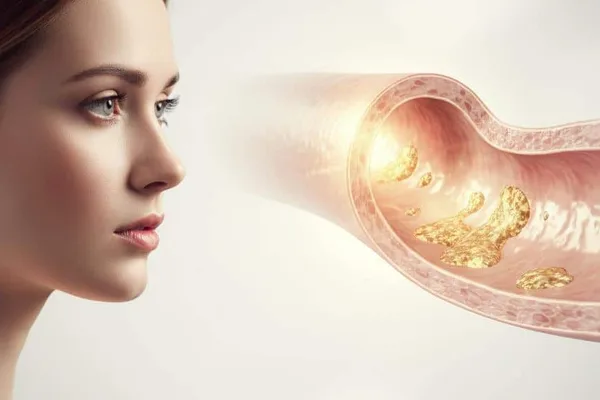
We often hear stories like "A healthy man suddenly has a heart attack." In fact, most of the time, behind such sudden, dangerous illnesses is a silent enemy that has been building up inside our bodies for years. That enemy is called "Atheroma." Simply put, this is a layer of fat and cholesterol that builds up inside our blood vessels. Some people also call this "plaque."
What exactly is atheroma?
Think about a water pipe in your house. Over time, dirt and rust build up inside the pipe, causing holes in the pipe and reducing the amount of water that can flow through it. The same thing happens inside our blood vessels. Over time, things like fat, cholesterol, and calcium begin to build up inside these vessels that carry blood throughout our bodies. This buildup is called atheroma, or plaque .
This atheroma layer is not made up of one thing. It is a mixture of things.
| Contents of the atheroma layer | What happens to them? |
|---|---|
| Cholesterol and other fats | These are the main components of atheroma. |
| Calcium | When calcium is added, this fatty layer becomes thicker and stronger. This is what is called "hardening of the blood vessels." |
| Blood cells and proteins | Various cells and proteins in the blood also adhere to this layer, making it even larger. |
| Inflammatory cells | Cells that arise due to inflammatory conditions in the body are also involved in this process. |
The most important thing is that atheroma is not a tumor. It is a health problem related to the blood vessels and heart.
Why is atheroma dangerous?
This fatty layer can harm us in two main ways when it builds up in our blood vessels.
1. Gradual narrowing of blood vessels: Over time, this layer of atheroma gradually grows larger. Then the path for blood to flow becomes narrower. Think of it like building houses on both sides of a road and crushing the road. This reduces the amount of blood going to vital organs like the heart, brain, and legs.
2. Sudden rupture and formation of a blood clot: This is the most dangerous thing. Sometimes this fatty layer can suddenly burst. Since the ruptured area looks like a wound, our body forms a blood clot to heal the wound. Because of that blood clot, the blood vessel can suddenly become completely blocked.
- If this blood clot forms in a coronary artery that supplies blood to the heart , a heart attack occurs.
- If a blood vessel supplying blood to the brain becomes blocked , a stroke occurs.
The difference between Atheroma and Atherosclerosis
Although these two words seem the same when you hear them, there is a slight difference.
- Atheroma: This refers to the fatty deposits that build up inside blood vessels. This is the substance that causes the disease.
- Atherosclerosis: This is a condition in which fatty deposits (atheroma) build up inside the blood vessels.
Simply put, atheroma is the 'dirt' that builds up in the blood vessels. Atherosclerosis is the 'disease' of that dirt. This disease doesn't develop overnight. It develops gradually over many years, perhaps from when we were young.
Who is most at risk of developing atheroma?
The main cause of atheroma is damage to the delicate lining (endothelium) of blood vessels. There are several factors that contribute to this damage, i.e., increase the risk of developing atherosclerosis.
- High cholesterol: Especially elevated levels of "bad" cholesterol (LDL).
- High blood pressure: When blood pressure increases, there is a greater chance of damage to blood vessels.
- Diabetes: Uncontrolled blood sugar levels can damage blood vessels.
- Smoking: The chemicals in tobacco directly damage blood vessels.
- Unhealthy diet: Frequent consumption of foods high in oil, fat, sugar, and salt (especially saturated fat and trans fat).
- Aging: Men over 45 and women over 55 are at higher risk.
- Family history: If someone in your family has had heart disease at a young age, you are also at higher risk.
- Inflammatory diseases: Having diseases that cause inflammation in the body, such as rheumatoid arthritis.
What kind of symptoms does the body show?
The scary thing about this is that most of the time there are no symptoms . You may not notice anything until a blood vessel is more than 70% blocked. If symptoms do occur, they will depend on the blood vessel that is obstructed.
| Affected blood vessel | Possible symptoms |
|---|---|
| Coronary arteries (blood vessels that supply blood to the heart) | Chest pain or tightness that occurs when you exercise or climb stairs (stable angina). It goes away when you rest. |
| Carotid arteries (blood vessels that supply blood to the brain) | Symptoms of a stroke. For example: drooping of the mouth, numbness in an arm or leg, difficulty speaking. |
| Veins that supply blood to the legs (Iliac or femoral arteries) | Pain in the legs, especially in the groin area, when walking. The pain goes away when you stand still for a while (claudication). |
| Renal arteries | High blood pressure that is difficult to control, decreased kidney function. |
Because there are no symptoms like these, it is important for those with risk factors to undergo regular tests on medical advice .
How to control this situation?
Here is the most important thing we need to understand. That is, we cannot completely eliminate or reverse the already formed layer of atheroma . However, we can stop this condition from getting worse or greatly slow it down. For this, lifestyle changes and, if necessary, medication will be of great help.
These are some things you can do to protect your blood vessels.
- Avoid smoking completely: If you are a smoker, quitting is the best decision you can make. If necessary, ask your doctor for help with this.
- Adopt a heart-healthy diet: Stay away from oily foods, fried foods, fast food, cakes, and biscuits as much as possible. Limit foods high in saturated fat and trans fat. Instead, include vegetables, fruits, legumes, nuts, and fish in your diet. Reduce your intake of sugar, salt, and refined flour.
- Exercise regularly: Walk, run, or bike for at least 30 minutes a day, at least 5 days a week. But talk to your doctor before starting a new exercise routine.
- Use your prescribed medications exactly as prescribed: If you have a medical condition like cholesterol, blood pressure, or diabetes, take your medications exactly as prescribed by your doctor, at the right times. Never stop taking your medications without your doctor's advice.
- Get annual medical checkups: Visit your doctor at least once a year and get your cholesterol, blood sugar, and blood pressure checked. That way, you can identify any problems early.
Take-Home Message
- Atheroma is a silent enemy that forms inside our blood vessels and can grow without showing any symptoms.
- High cholesterol, high blood pressure, diabetes, and especially smoking can quickly worsen this condition.
- You may not feel any discomfort until a blood vessel is more than 70% blocked. So be aware of the risk factors.
- Although it cannot be completely cured, its development can be controlled with a healthy lifestyle and proper medical treatment.
- Always take care of your health. If you have any concerns or doubts, be sure to talk to your doctor.




💬 Comments (0)
No comments yet. Be the first to share your thoughts here.
Add Your Comment