

Perhaps you or someone in your family has been prescribed a medicine for 'blood pressure' by your doctor. Or perhaps you have been given a medicine to control your heart rate, for chest pain, or to maintain good heart function. Beta-Blockers are a very important type of medicine that is often prescribed in such cases. When you hear this name, some people are a little scared, thinking, "What kind of medicine is this?" But in fact, this is a very useful and safe medicine that has helped save millions of lives around the world for decades. So, let's talk about this in detail today, in a way that you can understand, and in a very simple way.
What are beta-blockers in simple terms?
Okay, let's think of it this way. Think of your heart as a constant, pumping engine that pumps blood throughout your body. Sometimes this engine works too fast, or it works too hard. Then our blood pressure can increase, and our heart can feel tired.
Beta-blockers work by slowing down the engine, giving it a break, and helping it work more efficiently. These medications slow down your heart rate and relax your blood vessels . This allows blood to flow more easily throughout your body. As a result, your blood pressure decreases, which reduces the strain on your heart. Simply put, they act as a 'helper' that helps your heart work harder.
What conditions is this medicine used for?
Beta-blockers are not a single-drug regimen. Doctors prescribe them to treat a wide range of conditions. They are primarily used to treat conditions related to the heart and circulatory system, but they are also used to treat a number of other conditions.
Let's see what this is.
| Conditions treated with beta-blockers | |
|---|---|
| Cardiovascular Conditions | |
| High blood pressure (Hypertension) | This is the most common reason given. These are very effective in controlling blood pressure. |
| Angina (chest pain) | Reduce chest tightness and pain caused by insufficient blood flow to the heart. |
| Heart Attack | Protect your heart after a heart attack and reduce the risk of another heart attack. |
| Congestive Heart Failure | To support the heart when it is weak and unable to pump enough blood to the body. |
| Irregular heartbeat (Arrhythmias) | Control conditions such as tachycardia. |
| Aortic dissection/aneurysms | Treat problems that occur in the main blood vessels that start in the heart. |
| Other Conditions | |
| Migraine prevention | Some types of beta-blockers help prevent migraines. |
| Excessive worry and fear (Performance Anxiety) | Control the excessive fear, heart palpitations, and sweating that arise before going on stage or taking an exam. |
| Glaucoma | It is contained in eye drops used to reduce pressure in the eyes. |
| Hyperthyroidism | Control symptoms such as palpitations and tremors caused by increased thyroid hormones. |
| Essential Tremor | Control tremors in limbs, such as hands, that are not caused by another disease. |
How do these medicines work inside the body? (How do they work?)
To understand this, we need to know a little about a natural response in our body. Imagine that you are walking down the street and suddenly a dog jumps up. You are scared, right? What happens then? Your heart beats faster, your palms sweat, and your body trembles. We call this the "fight or flight" response.
At this time, our body releases neurotransmitters and hormones called adrenaline , epinephrine , and norepinephrine . These are what increase the heart rate and blood pressure.
Now, in order for these epinephrine and norepinephrine to work in the body, they have to go and attach to special 'receptors' on our cells. It's like a key fitting into a lock. There are several types of these receptors. The two most important types for us are:
- Beta-1 (B1) receptors: These are mainly found in your heart.
- Beta-2 (B2) receptors: These are mainly found in places like the lungs and blood vessels.
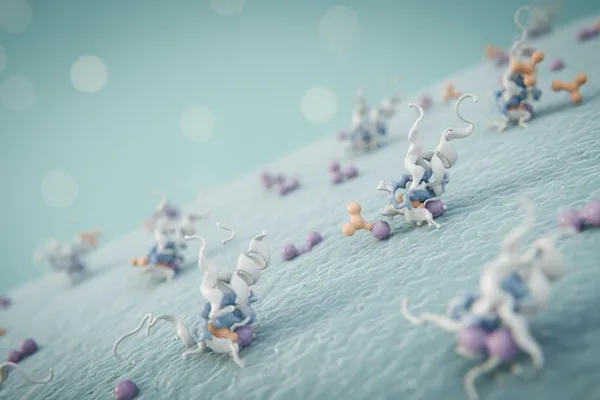
Beta-blockers work by blocking these beta receptors, like putting a different key in a lock. Then that adrenaline can't come and bind to these receptors. As a result, the heart rate doesn't increase, the blood vessels don't constrict. Instead, the heart calms down, the blood vessels relax, and the pressure is controlled. Got it?
There are two main types of beta-blockers:
1. Cardioselective (heart-specific): Some beta-blockers selectively block only the B1 receptors in the heart. These are best suited for people with respiratory diseases like asthma. An example is Metoprolol .
2. Nonselective: Another type blocks both B1 and B2 receptors. An example is Carvedilol .
Your doctor will choose the type that is most suitable for you based on your medical condition, age, and whether you have other diseases.
How long should beta-blockers be taken?
This is a question that many people ask. Beta-blockers are not something you usually take for two or three days and then stop. They often have to be used long-term . Some people take these medications for the rest of their lives. They help keep your heart and blood pressure stable, protecting you from serious conditions like heart attacks and strokes.
The most important thing is to never stop taking this medication suddenly without your doctor's advice. Doing so can cause your heart rate and blood pressure to suddenly and dangerously increase. If you have any concerns or are worried about a side effect, talk to your doctor about it.
What are the advantages of this type of medicine?
There are several reasons why beta-blockers are so widely used.
- Helps you live a healthier, longer life: Research has shown that this medicine helps increase life expectancy, especially by reducing the risk of heart disease and stroke, reducing hospitalizations due to heart failure.
- Multi-drug therapy: Heart and circulatory problems are related. Therefore, when beta-blockers are taken for blood pressure, they can also control heart rate and angina.
- Well-studied: Because these medications have been in use for decades, doctors and scientists have a very good understanding of their effectiveness, safety, and side effects.
- Lower cost: Many beta-blockers (especially generics) are less expensive, making them a great financial saver when taken long-term.
Do beta-blockers have side effects?
Like any medicine, beta-blockers can cause some side effects. But remember, not everyone gets all of these side effects. Most people can use this medicine without any problems. Even if you do get a side effect, it usually goes away after a few days as your body gets used to the medicine.
| Type of side effect | Description |
|---|---|
| Commonly seen side effects |
|
| Rare side effects |
|
If you continue to have this side effect, or if it bothers you, be sure to talk to your doctor without stopping the medication. The dosage may need to be changed, or you may need to switch to a different type of beta-blocker.
When should you see a doctor immediately?
If you experience any of the following symptoms while taking beta-blockers, do not ignore them. Seek medical advice immediately. You may need to go to the Emergency Department (ETU) of your nearest hospital.
- Severe shortness of breath
- Chest pain or tightness
- Heartbeat problems: Heart palpitations, pounding heartbeats, or a feeling that the heart is beating too fast
- Fainting
- Frequent severe dizziness
These can be signs of a serious condition, so it's important to act quickly at a time like this.
Beta-blockers are a very important, life-saving drug in our medical science. If your doctor has prescribed this medicine for you, it is to protect your heart and help you live a healthy life. Therefore, do not be unnecessarily afraid of the medicine, but follow the doctor's instructions exactly. Whatever problem or issue you have, talk to your doctor openly about it.
Take-Home Message
- Beta-blockers are a type of medication commonly used to treat conditions such as high blood pressure and heart disease.
- These work by slowing the heart rate, relaxing blood vessels, and reducing pressure on the heart.
- Never stop taking this medication suddenly without your doctor's advice. It can be dangerous.
- Minor side effects such as fatigue and dizziness may occur, but they usually subside within a few days. If you have any concerns, talk to your doctor.
- If you experience severe chest pain, difficulty breathing, or loss of consciousness, seek medical advice immediately.




💬 Comments (0)
No comments yet. Be the first to share your thoughts here.
Add Your Comment