

There are some things in our bodies that we don't think about much in our daily lives, right? Especially as a woman, the organs inside your body like your uterus. But sometimes it's very important to be aware of these things. Today we are going to talk about a special condition that many people may not have even heard of, but which can affect some women. That is, the uterus is shaped like a heart. Doctors call this `(Bicornuate Uterus)`.
What is this heart-shaped uterus (Bicornuate Uterus)?
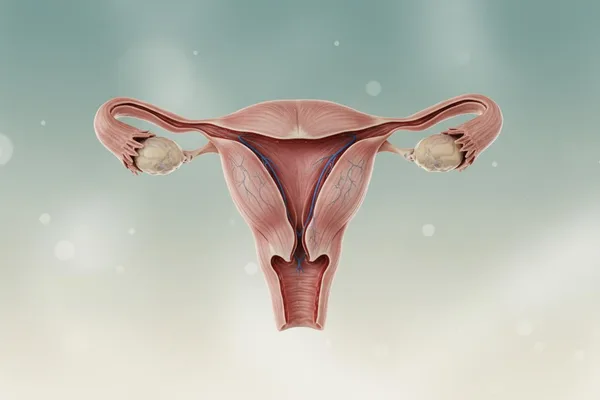
Simply put, having a bicornuate uterus means that your uterus is shaped like a heart instead of the normal round shape it is. Think of a healthy uterus as something like an upside-down pear. The wide, round top of the pear is the top of the uterus (also called the fundus). But in someone with a bicornuate uterus, the top of the uterus is inverted inward, like a heart. That's why it's called a "heart-shaped uterus."
Normally, the uterus is a single-chambered sac that can expand as the baby grows. However, in a bicornuate uterus, the top part of the uterus is divided into two parts by a layer of tissue. Depending on the extent of this division, some problems can occur during pregnancy. This is because the uterus cannot expand properly.
This is a congenital condition . This means that the uterus is shaped this way before you are born, while you are still in your mother's womb. Most of the time, this is not a big problem. However, if you become pregnant with a bicornuate uterus, the risk of miscarriage and preterm labor is slightly higher. Many people do not even know that they have this uterus, because there are no specific symptoms. However, some people may experience severe pain during menstruation or persistent miscarriages.
How common is this condition?
Bicornuate Uterus is a relatively common uterine abnormality, but it is rare overall. It affects less than 0.5% of women. Most women only discover that their uterus is abnormally shaped after they have been pregnant and have had multiple miscarriages.
Is it bad to have a heart-shaped uterus?
No, it's not that bad or dangerous. Most of the time, you don't even know you have one, because there are no visible symptoms. However, the irregular shape of the uterus can cause some complications during pregnancy. If a doctor tells you that you have a `(Bicornuate Uterus)`, it's best to understand it and talk to him about how it affects your life.
What are the symptoms of a (Bicornuate Uterus)?
If you have symptoms of a bicornuate uterus, these may include:
- Frequent miscarriages (usually more than three times).
- Irregular vaginal bleeding.
- Severe pain during menstruation.
- Pain during sexual intercourse (dyspareunia).
- Pelvic pain (`(Pelvic pain)`).
But remember, sometimes you can have this condition without any symptoms. Because it's something you're born with, the symptoms you experience may seem like "normal" things. Most of the time, you only find out about it after you get pregnant or have had multiple miscarriages.
What is the reason for this?
As mentioned earlier, a bicornuate uterus is a condition that is present at birth (congenital). The uterus forms when a fetus is developing in the womb – between 10 and 20 weeks.
During this development, there are two tubes called Mullerian ducts . Normally, these two tubes join together to form one uterine cavity. However, in someone with a bicornuate uterus, these two tubes do not join completely. Therefore, the uterus becomes like two cavities. This division can be very deep, or it can be so small that it never causes any problems.
The important thing is that this heart-shaped uterus is not hereditary. This does not mean that just because you have this condition, your children will also have it.
How is the condition (Bicornuate Uterus) diagnosed?
Many people only find out about this after they have had repeated miscarriages. When this happens, doctors examine the shape of the uterus. That's when this abnormality is discovered. Sometimes it can be discovered accidentally, either during a routine ultrasound scan during pregnancy or while seeking treatment for severe menstrual cramps.
First, a pelvic exam is performed, and then your doctor will use various imaging techniques to confirm whether you have a bicornuate uterus. This is done to measure the depth of the dilation and to differentiate it from other uterine abnormalities.
- Ultrasound: This is the first test used to detect a heart-shaped uterus. Once the condition is diagnosed, the doctor may use other advanced tests to get a clearer picture. Three-dimensional ultrasound (3D ultrasound) tests are also very useful for this.
- MRI (Magnetic Resonance Imaging): This is the most detailed way to get pictures of the uterus because it can see the uterus from different angles and dimensions.
Are there different types of bicornuate uterus?
Your doctor may describe your bicornuate uterus as partial or incomplete . These terms refer to how far the top of the uterus has descended toward the cervix.
- Partial bicornuate uterus: In this case, the division between the two cavities is slightly less. The uterus is heart-shaped, but the groove dividing the uterus is not as deep.
- Complete bicornuate uterus: In this case, the opening at the top of the uterus is very deep. Therefore, the separation between the two uterine cavities is very clear.
Can a Bicornuate Uterus be corrected?
In most cases, this condition does not require surgical treatment.
However, in some special cases, a surgery called Metroplasty is performed. However, there are different opinions about this surgery, so not everyone does it. This surgery attempts to shape the uterus into a normal pear-shaped shape. This surgery can be done laparoscopically . That means it is a surgery done through small incisions, without a large incision. The surgery involves removing the tissue that causes the uterus to sink or form a heart.
If you have a ``Metroplasty'' surgery, you should wait at least three months before trying to have a baby again, because otherwise there is a risk of the uterus rupturing during childbirth.
What are the complications of this surgery?
Surgery to correct a bicornuate uterus may have the following risks:
- Excessive bleeding (`(Hemorrhage)`).
- Infection (`(Infection)`).
- Uterine adhesions/scarring.
If you are recommended to have this type of surgery, your doctor will thoroughly explain the procedure, its risks, and your chances of a successful pregnancy.
Can a bicornuate uterus be prevented?
No. There is nothing you can do to prevent a heart-shaped uterus. It is a congenital condition. It is not caused by anything your parents did or didn't do.
If I have a (Bicornuate Uterus), can I not have a baby?
Yes! You can have a baby even if you have a `(Bicornuate Uterus)`. However, there is a slightly higher risk of complications during pregnancy. The main reason for this is that your uterus cannot grow as large as it needs to for the baby to grow. Your doctor will talk to you about what precautions you should take during pregnancy and how this condition will affect your pregnancy and delivery.
How does a bicornuate uterus affect my pregnancy?
A bicornuate uterus usually does not affect your ability to conceive. However, the shape of the uterus does put you at a slightly higher risk of pregnancy complications, such as:
- Miscarriage (`(Miscarriage)`).
- Preterm birth and early labor.
- Low birth weight of the baby (due to insufficient space for growth in the womb).
- Irregular vaginal bleeding.
- The fetus is in a breech position, transverse position, or other position other than head down.
- Increased chance of having a cesarean section (`(Cesarean delivery)`).
- Excessive bleeding after childbirth (`(Postpartum hemorrhage)`).
- Placenta previa (placental abruption) or other problems with the placenta.
- High blood pressure during pregnancy.
- Incompetent cervix.
When you are pregnant with a bicornuate uterus, the main thing in management is to have more follow-up (monitoring) . You will need to have more prenatal ultrasound scans than usual. This is so your doctor can check the size and shape of your uterus and the position of your baby and placenta. The unusual shape of your uterus means that your baby is more likely to be breech, so you are more likely to have a C-section.
But remember, people with a bicornuate uterus can have a healthy pregnancy and a normal delivery. All of these precautions are taken to protect you and your baby during pregnancy and delivery.
Will a bicornuate uterus affect my labor and delivery?
Yes, your delivery can be affected by this heart-shaped uterus. Because the uterus is irregularly shaped, it may not be large enough to accommodate a full-term baby. This means your baby may be in an awkward position or too tight in the womb. With a `(Bicornuate Uterus)` , the baby is more likely to be in a `(breech)` position. For this reason, doctors often recommend a `(C-section)`.
Will my baby have birth defects if I have a bicornuate uterus?
No. Just because you have a bicornuate uterus doesn't mean your baby will have a birth defect. But you do have a higher risk of preterm labor (before 37 weeks of pregnancy). This means your baby may be born prematurely, or before some organs or systems are fully developed.
Are there other health risks associated with a bicornuate uterus?
If you are not pregnant or have no hope of becoming pregnant, there are no major health risks to worry about. However, those with a bicornuate uterus are at increased risk of endometriosis and recurrent miscarriage .
If you are pregnant, the main risks associated with a bicornuate uterus are:
- Miscarriages.
- Early childbirth.
- Children with low birth weight.
- The baby is in a breech or transverse position in the uterus.
When should I see my doctor?
If you have irregular vaginal bleeding, or if you experience lower abdominal pain during menstruation or during sex, see your doctor immediately. These could be symptoms of a ``Bicornuate Uterus``.
If you are pregnant and have been diagnosed with a bicornuate uterus, and you have any signs of previous labor (such as uterine contractions or water breaking), notify your doctor immediately.
What questions should I ask my doctor about Bicornuate Uterus?
Here are some questions you can ask your doctor about this condition:
- Do I need to have surgery to correct my `(Bicornuate Uterus)`?
- What are the health complications that can occur due to a `(Bicornuate Uterus)`?
- What are the risks of getting pregnant with a `(Bicornuate Uterus)`?
- Can I still get pregnant?
- How will this affect my delivery?
- Will my baby be born healthy?
Is it possible to have twins with a bicornuate uterus?
This is very rare, but not impossible. Both twin pregnancies and a bicornuate uterus are associated with a number of risks, including preterm birth, low birth weight, miscarriage, and malpresentation. Malpresentation is when the baby is in a position other than the head down in the uterus before birth.
If you have been diagnosed with a bicornuate uterus, talk to your doctor about the health complications you should be aware of. He or she will explain the risks to you based on your health history and symptoms. Although people with a bicornuate uterus are at higher risk of pregnancy complications, most people give birth to healthy babies.
Take-Home Message
Okay, so now you have a better understanding of the `(Bicornuate Uterus)` or heart-shaped uterus that we talked about. Here are some important things to remember:
- This is a congenital condition , not your fault.
- Many people can have this condition without any symptoms .
- Some people may experience frequent miscarriages and menstrual cramps.
- This is not a dangerous condition, but it requires special care and monitoring during pregnancy.
- It is possible to have a healthy baby even with a ``Bicornuate Uterus''.
- If you have any questions or doubts about this, the best thing to do is to talk to your gynecologist. He or she will give you the right advice.
Don't be afraid, be aware. The more you know about your body, the healthier you can be!
` Bicornuate Uterus, Heart-Shaped Uterus, Uterine Abnormalities, Miscarriage, Premature Delivery, Women's Health, Pregnancy




💬 Comments (0)
No comments yet. Be the first to share your thoughts here.
Add Your Comment