
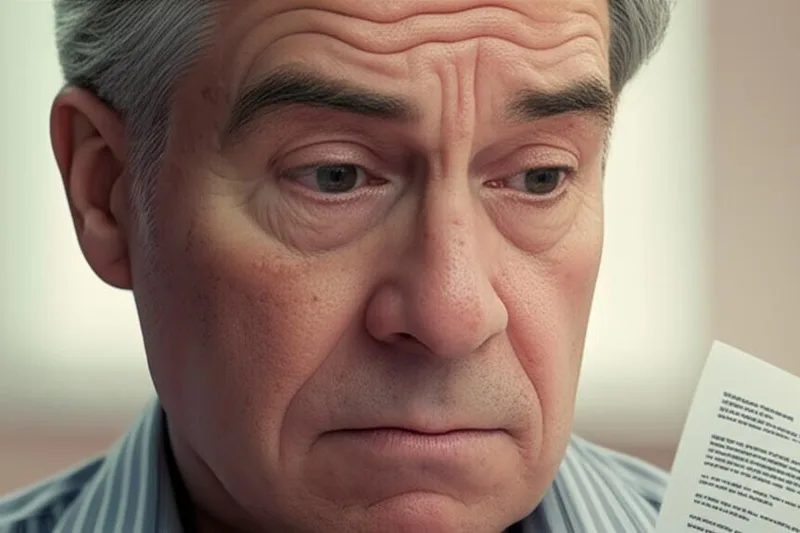
Have you ever heard of the name 'bile duct cancer'? Although the name may sound a bit strange, this is a cancer that occurs in an important part of our body that helps with the digestion process. It's normal to feel scared when you hear a word like this. But don't worry, we'll talk about this condition, cholangiocarcinoma, in a simple, clear, and understandable way.
Simply put, what is bile duct cancer?
To understand this, let's first look at what these bile ducts are. Think of them as thin tubes that carry a liquid called 'bile' from our liver to the gallbladder and small intestine. This bile helps digest the fats in the food we eat.
So, bile duct cancer is when abnormal cells inside these bile ducts start to grow uncontrollably.
For some people, treatment can completely cure this cancer. For others, it may not be possible to completely eliminate it. In such cases, you may need to continue to receive treatments such as chemotherapy and radiation to control the cancer. Being well-informed about this, and talking about it with your doctor, your medical team, and your loved ones, will give you great strength to face this challenge.
What are the main types of bile duct cancer?
Doctors classify this cancer based on where it starts. To understand this clearly, see the table below.
| Cancer type | Simple explanation |
|---|---|
| Extrahepatic type | This is the most common type. It is also more treatable. It is also divided into two categories: - Perihilar cancer: A type that forms where the right and left bile ducts of the liver join. - Distal cancer: The type that develops where the common bile duct passes through the pancreas. |
| Intrahepatic type | A somewhat rare breed. This breed is only seen in 5% to 10% of the population. |
What are the causes and risk factors for developing this cancer?
The exact cause of this cancer has not yet been discovered. However, research has found that certain things can increase the risk of developing it. In particular, long-term inflammation is a major risk factor.
Here are some such risk factors:
- Primary Sclerosing Cholangitis: This is a long-term inflammation of the bile ducts. This causes scarring of the bile ducts. Many people with this condition also have Ulcerative Colitis, an inflammation of the large intestine.
- Bile duct stones: These are similar to gallstones, but are much smaller in size.
- Choledochal cysts: Some people are born with this condition. These are sac-like cysts filled with bile that form along the bile ducts. If left untreated, these can turn into cancer.
- Liver fluke infection: This is rare in Sri Lanka, but is common in Asian countries. It is caused by eating raw or undercooked fish infected with parasitic worms.
- Cirrhosis: Excessive alcohol consumption and diseases like hepatitis can damage the liver and cause scar tissue. This also increases the risk of bile duct cancer.
The important thing is that not everyone with these risk factors will develop cancer. Similarly, someone without any of these risk factors can also develop this cancer.
Other risk factors
- Obesity
- Diabetes
- Viral hepatitis
- Excessive drinking
- Inflammatory bowel disease (such as Crohn's disease and Ulcerative colitis)
What are the symptoms of bile duct cancer?
The symptoms of this cancer may not be visible in the early stages, but as the disease progresses, these symptoms may appear.
| Symptom | Description |
|---|---|
| Yellowing of the skin and eyes (Jaundice) | This is the most common symptom. It occurs when the bile ducts become blocked and bile builds up in the body. |
| Stomach or intestinal pain | There may be pain in the upper right side of the abdomen. |
| Itchy skin | Another symptom that occurs with yellow fever. |
| Light-colored stools and dark-colored urine | The stool becomes light-colored because bile is not being absorbed into the intestines. Also, the urine becomes dark-colored because bile is being excreted from the body. |
| Other features | Fever, nausea and vomiting, loss of appetite, weight loss, and extreme fatigue. |
Important: These symptoms can also be caused by other medical conditions. Therefore, if you have any of these symptoms, be sure to see your doctor for advice.
How is the diagnosis made?
Your doctor will first do a physical exam and ask about your health history, family history of cancer, and lifestyle (such as alcohol consumption and smoking). Then, they may do some tests to confirm the diagnosis:
- Blood tests: These help to check liver function and check for tumor markers.
- Imaging tests: An abdominal ultrasound, CT scan, or MRI scan can help determine the presence of a tumor, its size, and location.
- Endoscopy: This involves looking inside the body using a thin tube with a camera attached. There are several specific tests that can be performed using this method.
- ERCP (Endoscopic Retrograde Cholangiopancreatography): An endoscope is used to inject a special dye into the bile ducts and take X-rays to check for tumors.
- Cholangioscopy: This procedure helps to look directly inside the bile ducts.
- Biopsy: This is the definitive test that confirms the disease. A small piece of tissue is taken from the bile duct and examined under a microscope to see if there are cancer cells.
What are the treatments?
Treatment options depend on the type of cancer, how far it has spread, and your overall health. You may need one or more treatments.
- Surgery: If the cancer is found in the early stages, surgery can remove the cancerous part. Sometimes, it may be necessary to remove part of the bile duct, part of the liver, the gallbladder, or nearby lymph nodes.
- Radiation therapy: This involves using high-energy rays to destroy cancer cells. It is used to shrink a tumor before surgery or to destroy any remaining cells after surgery.
- Chemotherapy: This involves giving drugs to kill cancer cells. These can be given as pills or intravenously (into a vein).
- Biliary drainage: If the bile duct is blocked, a small tube called a stent can be inserted to allow bile to flow. This can reduce symptoms such as jaundice.
- Liver transplant: This is a very rare treatment. In some cases, it can even cure the cancer.
Lifestyle changes and mental well-being
Even while undergoing cancer treatment, it is very important to try to stay as healthy as you can.
- Avoid alcohol and smoking: Giving up both of these habits will greatly aid your recovery process.
- Exercise: It's normal to feel fatigued due to cancer. However, talk to your doctor about starting a light exercise program that's right for you. Even something as simple as walking is enough.
- Psychological support: It's normal to feel scared and anxious about the future when you find out you have cancer. Talking about this with someone you trust (family member, friend, counselor) can help you feel more confident.
Take-Home Message
- Cholangiocarcinoma is a cancer that occurs in our bile ducts.
- Watch for symptoms such as yellowing of the skin and eyes, stomach pain, dark urine, and light-colored stools.
- If you have any of these symptoms, don't panic, see your doctor immediately, and don't try to diagnose yourself online.
- Treatment options vary from patient to patient. Your doctor will explain the best treatment for you.
- You are not alone on this journey. Get support from your medical team, family, and friends.




💬 Comments (0)
No comments yet. Be the first to share your thoughts here.
Add Your Comment