
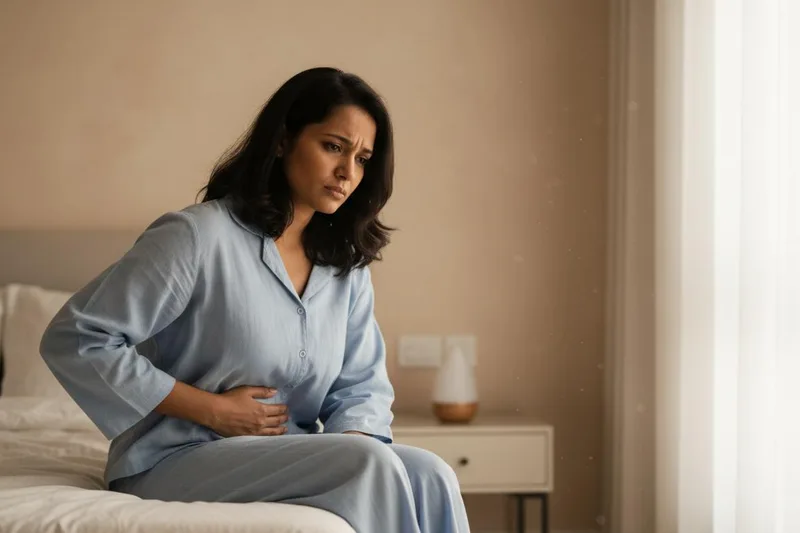
Have you ever felt like you had a hard time starting to urinate , or that you still had urine in your bladder after you finished urinating ? Maybe your urine stream is slow and intermittent. Do you have to get up several times during the night to urinate ? These are not symptoms to ignore. Bladder Outlet Obstruction (BOO) is a possible medical cause of this discomfort. Today, we will talk about this in a simple way that you can understand.
Simply put, what is Bladder Outlet Obstruction?
Think of your bladder as a balloon filled with water. The opening of this balloon is where urine exits the urethra. Bladder Outlet Obstruction means that there is a blockage somewhere along the way that urine exits the bladder. This blockage slows down the flow of urine, or it can stop it completely.
This condition is most common in men over the age of 65. But it can also occur in women, young people, young children, and even in the fetus. This condition, which occurs in the womb, is also called Fetal Lower Urinary Tract Obstruction (LUTO). It is a somewhat complex and rare condition.
Women, especially those with a prolapsed bladder (cystocele), are more likely to develop this obstruction.
What are the symptoms of this condition?
A person with Bladder Outlet Obstruction can experience a variety of discomforts. When these symptoms come together, we medically call them Lower Urinary Tract Symptoms (LUTS). Take a look to see if you have these symptoms too.
| Symptom | What does this mean? |
|---|---|
| Difficulty starting to urinate | Even if you try to urinate , it takes a few seconds or more for the urine stream to start. |
| Bladder not emptying completely | Even after you finish urinating, you feel like there's still urine inside. |
| Weak, intermittent urine stream | The urine doesn't come out forcefully, it comes out very slowly. Sometimes the stream stops for a while, then starts again. |
| Frequent urination at night | When you're sleeping well, you have to get up to urinate two or three times a night or more. |
| Frequent need to urinate | I have to urinate many times a day, but only a small amount comes out each time. |
| Urgent need to urinate | As soon as I feel the need to urinate , I can't hold it in and I have to run to the washroom. |
| Pain in the lower abdomen or on either side of the back | A bladder fullness due to urinary retention can cause lower abdominal pain or pain on both sides of the back due to effects on the kidneys. |
| Pain during urination | Burning or pain when urinating (especially if there is an infection) |
Why is this happening? What are the reasons for this?
There can be several reasons for this urinary tract obstruction.
The main reason affecting men
The most common cause of this condition in men is an enlarged prostate gland . We medically call this Benign Prostatic Hyperplasia (BPH) . The prostate gland is a small gland located below the bladder, surrounding the urethra. As we age, usually after the age of 50, this gland gradually begins to enlarge. This is not cancer. However, as this gland enlarges, it begins to block the urethra. That is when difficulty urinating occurs.
Other common causes
In addition to BPH, a number of other factors can affect this.
- Urethral Stricture: Scar tissue can form in the urethra due to an infection, accident, or surgery, making the passageway narrow.
- Bladder Stones: When minerals accumulate in the bladder and form stones, they can become lodged in the urethra and block the passageway for urine.
- Pelvic Organ Prolapse: In some women, especially older women who have had several children, the bladder or uterus may drop down into the vagina. This can cause the urethra to bend and become blocked.
- Severe Constipation: In a person with severe constipation, the stool that fills the rectum can press on the bladder and urethra.
- Cancerous conditions: These blockages can also be caused by cancerous conditions such as prostate cancer, bladder cancer, and cervical cancer.
- Nervous system problems: This condition can also occur when the bladder muscles do not function properly due to a problem with the brain, spinal cord, or nerves connected to the bladder.
The most important thing is that if you have these symptoms, don't just assume, "This is normal as you get older," and definitely see a doctor. Because only if the cause is found out exactly can proper treatment be given.
How does the doctor diagnose this disease exactly?
When you see a doctor with these symptoms, he or she will first listen carefully to your symptoms. Then, they will examine you. During this time, they may recommend several tests to determine the exact cause.
| Test | What do you see in this? |
|---|---|
| Urinalysis | Your urine will be checked for infection, blood, or other abnormalities. |
| Blood Test | Find out if the kidneys are affected by urinary retention (checking things like creatinine levels). |
| Ultrasound Scan | This examines the kidneys, bladder, and prostate (in men). It can check for blockages, bladder stones, and post-void residual urine . |
| Cystoscopy | In this, a thin tube with a small camera attached is passed down your urethra, and the doctor watches what's going on inside your bladder and urethra on a screen. This can clearly see if there's any blockage, narrowing, or stones anywhere. |
| Urodynamic Testing | This is a special test that measures the pressure and muscle function of the bladder as it fills and empties. |
What are the treatments for this?
The best thing is that there are different treatments for Bladder Outlet Obstruction, depending on the cause. Your doctor will choose the treatment that is most suitable for you.
- Types of medicines:
- For obstructions caused by an enlarged prostate (BPH), medications such as alpha-blockers are given that relax the muscles around the gland.
- Sometimes medications such as Finasteride, which reduces the size of the prostate, are also given.
- Other treatments:
- Women can find relief from problems caused by pelvic organ prolapse with a device called a pessary, which is placed inside the vagina.
- Physical therapy to strengthen the pelvic floor muscles also helps some people.
- Surgery and other methods:
- Catheterization: If the urethra is completely blocked, a temporary tube (Foley catheter) is inserted into the bladder to drain urine. Some people practice self-catheterization at home.
- Surgery to remove the blockage: For conditions like BPH, instruments are passed through the urethra to remove the blocked parts of the prostate (surgery such as TURP).
- Laser Lithotripsy: If there are stones in the bladder, they are crushed and removed using laser beams.
- Urethroplasty: If the urethra is narrowed (stricture), surgery is performed to restore the normal shape of the urethra.
Most of the time, these surgeries are performed using minimally invasive methods. That means they are performed without large incisions and through small holes, so the hospital stay is shorter and recovery is quicker.
When should you seek immediate medical advice?
This is very important. In some cases, this can be an emergency.
If you have unbearable pain in your lower abdomen , or if you are unable to urinate even after trying for hours , it is an emergency. Also, if you have symptoms of a urinary tract infection, such as fever, chills, and shaking , go to the nearest hospital's emergency department (ETU) immediately .
If left untreated, this condition can lead to serious complications such as urinary tract infections, kidney damage, kidney failure, and bladder stones. So don't ignore the symptoms.
Take-Home Message
- Don't ignore urination difficulties (weak stream, difficulty starting, frequent urination) thinking that they are "just normal as you get older."
- Although the main reason for this is that men's prostate gland enlarges with age, this condition can also occur in women and young men for other reasons.
- If not treated quickly, this condition can cause permanent kidney damage, so early diagnosis and treatment are very important.
- If you have these symptoms, don't be shy or afraid to see a doctor. In most cases, this condition can be well controlled with medication or simple methods.
- If you experience unbearable pain or complete urinary retention, it is an emergency. Go to a hospital's Emergency Department (ETU) immediately.




💬 Comments (0)
No comments yet. Be the first to share your thoughts here.
Add Your Comment