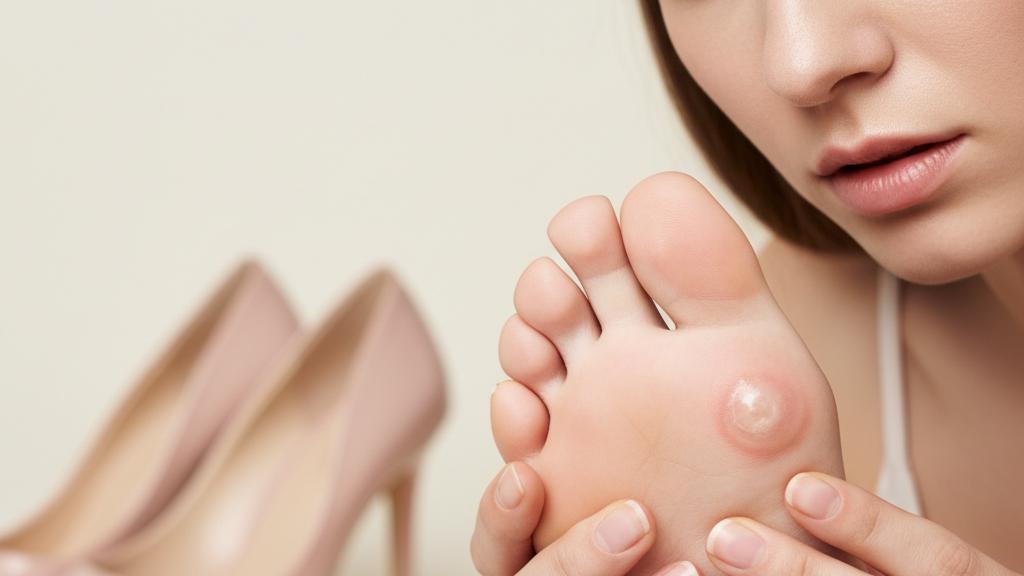
Do you ever feel that stinging sensation on your heels or toes after wearing a pair of new, stylish shoes? When you get home, you find a small, fluid-filled blister. Or perhaps you’ve noticed blisters on your palms after working in the garden with a shovel. Almost everyone has experienced this at least once. Some of us ignore them, while others find them quite bothersome. So, what exactly are blisters? Why do they form? What should you do when you get one? Let’s talk about this clearly today.
What Exactly Are Blisters?
Simply put, a blister is a small pocket of fluid that forms under the top layer of your skin. To understand this properly, we need to know a little bit about how your skin is structured.
Our skin is mainly composed of three layers:
1. Epidermis: This is the thin, outermost layer of skin that you can see.
2. Dermis: This is the thicker layer beneath the epidermis, containing blood vessels and nerves.
3. Subcutaneous fat: This is the deepest layer.
A blister forms just under that top layer, the Epidermis. When the skin is injured for some reason, the top layer separates from the layer beneath it, and the space between them fills with fluid.
Usually, the fluid inside a blister is clear or slightly white. However, sometimes if the injury is deep enough to damage the blood vessels underneath, the blister may fill with blood, appearing as a blood blister.
If germs enter the blister and it becomes infected, the fluid can turn into a milky white or yellowish pus. Blisters are most common on the hands and feet, but they can form anywhere on the body.
What Are the Main Causes of Blisters?
There are several reasons for blisters. Some underlying medical conditions can also cause them. However, here are the most common types we see in daily life and their causes.
| Type of Blister | How They Form & Examples |
|---|---|
| Friction Blisters | This is the type we all experience most often. They occur when a specific area of the skin is repeatedly rubbed—in other words, caused by friction. Examples:
|
| Blood Blisters | These form when a piece of skin is pinched hard. The blood vessels beneath the skin break, and instead of clear fluid, the pocket fills with blood. Examples:
|
| Heat Blisters | These occur due to burn injuries when the skin is exposed to extreme heat. Generally, these happen with second-degree burns. Examples:
|
Do You Always Need to See a Doctor for a Blister?
Generally, you do not need to see a doctor for a minor blister. Most of the time, they heal on their own in a few days.
However, if the blister was caused by a severe burn, or if you suspect it has become infected, you must consult your healthcare provider.
How to Identify an Infected Blister
Pay close attention to these signs. If you notice any of these, seeking medical advice promptly is the best course of action.
- The fluid inside the blister is not clear but is filled with yellow or green pus.
- The skin around the blister is deeply red, swollen, feels hot to the touch, and is very painful.
- You notice red streaks radiating out from the site of the blister.
If you ignore these signs of infection, the germs can spread throughout your body, leading to serious health issues. So, please be very careful.
How to Care for a Blister at Home
There are simple steps you can take at home to help a blister heal faster and manage the discomfort.
1. Keep it clean: Gently wash the area using mild soap and water. Do not scrub hard.
2. Use an ointment: You may apply an antibacterial cream or ointment. Consult your doctor or pharmacist about the best choice for you.
3. Protect it: Cover the blister with a clean bandage or a piece of sterile gauze. This prevents further friction and damage.
Most importantly: Do not forget to change the bandage at least once a day and keep the area clean.
Always remember! Never pop, prick, or break the blister, and do not peel off the skin. The intact layer of skin serves as a natural barrier (like a natural bandage) to protect the healing skin underneath from infection. Let it dry and shed on its own.
Most blisters heal on their own within a few days. Until the blister heals, try to reduce pressure on the affected area. For example, if you have a blister on your foot, wear comfortable, loose-fitting footwear that does not rub against the spot.
Can You Prevent Blisters?
Yes, in most cases, a little care and preparation can help prevent blisters.
| Type of Blister | Preventive Measures |
|---|---|
| Friction Blisters |
|
| Blood Blisters |
|
| Heat Blisters |
|
Finally, blisters are generally nothing to panic about, but they can be quite painful and inconvenient. For athletes or people who walk a lot, they can be a significant annoyance. If you keep the blister clean and protected, it should heal on its own in a few days. However, if you see signs of infection, do not hesitate to consult your doctor.
Take-Home Message
- Most blisters are harmless and heal on their own within a few days.
- Never pop, break, or remove the skin of a blister; the skin acts as a natural protective shield.
- Keep the area clean and protected with a bandage or gauze.
- If you notice signs of infection such as redness, swelling, increased pain, or pus, see your doctor immediately.
- The best way to prevent blisters is to wear well-fitting footwear, use gloves when working, and be cautious around heat sources.
Blisters, Blood blisters, Heat blisters, Skin blisters, Blister treatment, Why do blisters form, Infected blisters