
Have you ever thought that a small part of your body could save someone's entire life? It's like a superhero thing, isn't it? That's what bone marrow donation is. Maybe you've heard about it, or maybe you've seen it in a movie. But many people are a little afraid of it, a little unclear about it. So today we'll talk about it very simply, in a way that you can understand.
Simply put, what is bone marrow donation?
Bone marrow donation is the process of taking a portion of the bone marrow, that is, the stem cells, from a healthy person and giving it to someone with a blood disorder. This is also called ``bone marrow harvesting''.
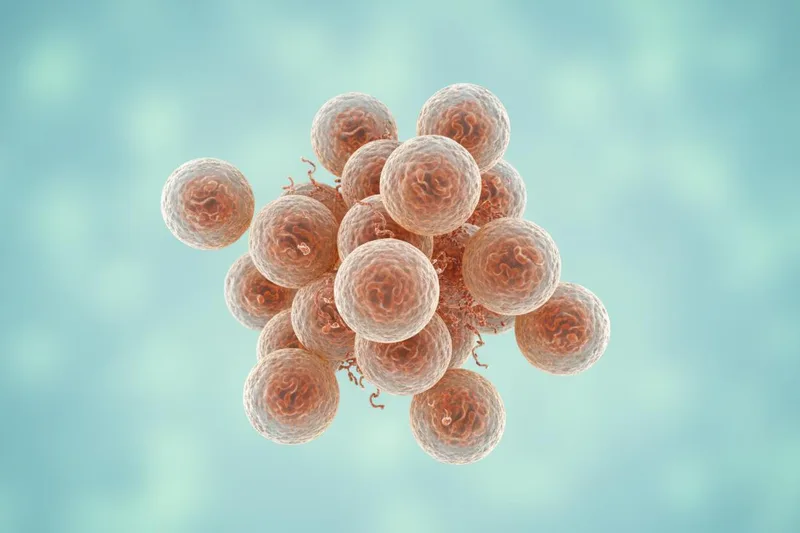
Think about it this way, inside the big bones of our body, like the hip bone and the sternum, there is a soft tissue that is like a sponge. That's what we call the bone marrow. This is our body's 'blood-making factory.' The red blood cells that you need to live, the white blood cells that protect you from disease, the platelets that help clot blood when you bleed, all of these are made by a wonderful type of cell inside this bone marrow. We call them stem cells .
Now, when some people develop a blood cancer like leukemia or aplastic anemia, their 'blood-making factory' stops working properly. At that time, when these stem cells taken from the bone marrow of a healthy person are given to that patient, those cells go and settle in the patient's bone marrow and start making new, healthy blood. It's like removing a broken machine and putting in a brand new machine to restart the factory.
The most important thing is that the person donating the bone marrow does not feel any pain during this process, because it is done under general anesthesia.
Why do some people need a bone marrow transplant?
As we mentioned earlier, this need arises when a person's bone marrow is not working properly or is producing diseased cells. Every year, thousands of people develop conditions that can be cured with a bone marrow transplant. Bone marrow transplants are mainly performed for the following conditions:
- Cancers that develop in the blood (e.g. leukemia, lymphoma (non-Hodgkin lymphoma))
- Diseases in which the bone marrow does not function properly (e.g. aplastic anemia)
- Some hereditary blood diseases (e.g. thalassemia)
- Immune system weaknesses
For a patient like this, receiving new, healthy bone marrow is like receiving a second life.
Biggest challenge: Finding the right person!
The biggest challenge here is finding a bone marrow donor who is an exact match for the patient. How do you check this match?
Imagine that every cell in our body has an 'identity card'. This is what we medically call HLA (Human Leukocyte Antigens) . These are a special type of protein found in our blood. Now, in order to transplant bone marrow into someone, the identity cards, or `HLA` types, of the donor and the recipient must be as similar as possible. To put it simply, they are like a lock and key. Only if this match is perfect will the body accept the newly transplanted cells without rejecting them as 'foreign enemies'.
On average, about 30% of people are able to find a matching bone marrow donor from someone in their own family (a brother or sister). But the remaining 70% have to receive this gift of life from someone outside the family, someone they don't even know. That's why bone marrow donor registries are maintained all over the world.
Does race or ethnicity affect matching?
Yes. This is a very important point. Generally, the probability of HLA matching is higher among people of the same ethnic or racial background. The genes that control our immunity show some differences depending on our ethnicity.
This means that if a person in Sri Lanka needs a bone marrow transplant, he or she has the best chance of finding a suitable donor in Sri Lanka. This is why it is so important for people from all ethnic groups and communities to register as bone marrow donors. Then, if someone needs one, they will be able to find a suitable donor quickly.
How do I register to be a bone marrow donor?
If you want to register as a bone marrow donor in Sri Lanka, there are several main places where you can get information. The National Cancer Institute, Maharagama plays a key role in this regard. You can also find out more about this through the National Blood Transfusion Service.
The registration process usually goes like this:
1. Providing information: First, we will obtain basic information and details about your health condition.
2. Taking a sample: Next, a sample is taken to find out your `HLA` type. This is very simple. You may need to take a few cells from a `cheek swab` from the inside of your mouth. Or you may need to take a very small amount of blood.
3. Enrollment: Your HLA type is analyzed and that information is entered into the donor registry.
After that, there's nothing you can do. You'll only be contacted if your HLA type matches a patient anywhere in the world. That means that just because you've registered doesn't mean you'll be a bone marrow donor. You may never get a call. But if you do, it means you have a chance to save someone's life.
What are the reasons for being ineligible for bone marrow donation?
Although anyone is welcome to join this noble cause, certain health qualifications are considered to ensure the safety of both the donor and the recipient. The following conditions are generally considered ineligible for bone marrow donation.
| Reason for disqualification | A simple explanation |
|---|---|
| Age | Generally, people over the age of 60 are not allowed to donate. |
| HIV/AIDS | A person infected with HIV cannot donate. |
| Severe arthritic conditions | Severe conditions such as rheumatoid arthritis . |
| Autoimmune diseases | Autoimmune diseases are diseases in which the body's own immune system attacks the body. |
| Blood clotting diseases | Blood-related diseases such as hemophilia . |
| Cancer | If you have previously received treatment (chemotherapy, radiation) for cancer. |
| Diabetes | Diabetics who take insulin injections cannot donate. |
| Heart disease | Serious heart conditions. |
| Hepatitis B or C | If this viral infection is present in the body. |
| Kidney disease | Chronic kidney disease. |
This list is not exhaustive. If you are interested in donating, but have a health condition, it is best to discuss it with your doctor . They will be able to review your medical history and determine if you are a good candidate.
How does the bone marrow donation process work?
Imagine, you're registered, and one day you get a call saying you're a good fit for a patient. What happens after you accept? Let's take a step-by-step look at it.
1. Before surgery
First, your overall health will be checked. This is to make sure that you are completely fit for this. For this, several tests will be performed.
- Blood tests: Complete blood count (CBC), kidney and liver function tests (CMP), and clotting time tests (PTT).
- Tests for infections: Check for various infectious diseases such as HIV, hepatitis, and cytomegalovirus (CMV).
- Other tests: An ECG and a chest X-ray are performed to check the heart's function.
After all of this, the anesthesia doctor will examine you and prepare you for surgery.
2. During surgery
This happens in an operating room.
- First, you will be given general anesthesia. So you won't feel any pain , you will be completely asleep.
- They will turn you onto your stomach and make you lie down.
- Then, the doctor inserts a special hollow needle through the skin at the back of your hip bone and extracts the bone marrow fluid.
- Why choose the hip bone? Because it contains the most and healthiest bone marrow and stem cells in our body.
- You may need to insert the needle several times to get the required amount.
- Typically, you will receive between 1 and 2 pints (about 0.5 - 1 liter) of liquid bone marrow. While this may sound like a lot, this is less than 10% of your total bone marrow . Your body will regenerate this amount within a few weeks.
- The whole process takes about an hour .
3. After surgery
- You will be taken to the recovery room. You will have to stay there for about an hour.
- The nurses will wait for you to regain consciousness and will constantly check things like your pulse and blood pressure.
- A bandage will be placed where the needle was inserted. They will also check for any unusual bleeding.
- Once you are able to drink fluids, the saline tube (IV tube) will be removed.
- The nurses will encourage you to do things like take deep breaths and cough to help relieve the effects of the sleep deprivation.
You may feel a little tired and nauseous. But that will gradually improve. You can usually go home the same evening or the next day. But you can't drive yourself, you need someone to drive you.
Side effects and recovery time
As with any surgery, there are very small risks. There are possible reactions to the anesthesia, infections, and damage to a nerve or muscle where the needle was inserted. But these are very rare .
During the recovery period, you may experience:
- Pain in the lower back and hip area: You may feel sore and stiff for a few days, as if you have been injured. Your doctor will tell you to take a simple painkiller (e.g. paracetamol) for this.
- Bruising: The area where the needle was inserted may be blue.
- Fatigue: Some people feel tired and have difficulty walking for several days.
- Iron deficiency: You may be asked to take iron supplements for a few days to help restore your red blood cell levels.
Most people can return to their normal activities after a few days of rest . It may take about two to three weeks to fully recover.
The most important thing is the mental satisfaction you get from this process. The feeling that another person, maybe a little child, is alive again because of you is priceless. That's the biggest advantage here.
If you develop signs of infection, such as fever, redness, swelling, or severe pain at the injection site, you should call your doctor immediately .
Finally, can the donor and recipient ever meet? Yes. But only if they both want to. These coordinating bodies also help organize such meetings.
Take-Home Message
- Bone marrow donation is a noble act that can save the life of someone suffering from terminal diseases such as blood cancer.
- The procedure is performed under complete anesthesia, so the donor does not feel any pain . It is a very safe surgery.
- The biggest challenge is finding an HLA match for the patient. Therefore, it is important to register as many donors as possible.
- Your body will regenerate the amount of bone marrow you receive within a few weeks , and it won't cause you any long-term harm.
- If you are interested in becoming a donor, you can obtain more information from institutions such as the Maharagama Apeksha Hospital or the National Blood Donation Service.




💬 Comments (0)
No comments yet. Be the first to share your thoughts here.
Add Your Comment