
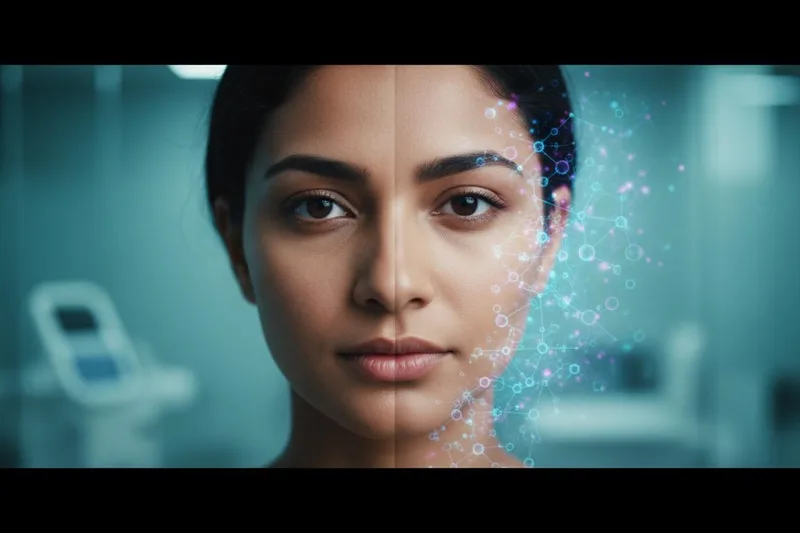
What do you think of when you hear the word 'Botox'? Most of the time, you probably think of the ageless, wrinkle-free faces of movie stars, right? True, Botox is a very popular thing in the beauty industry. But did you know that Botox goes far beyond that, and is a very important drug used to treat many medical conditions? Let's talk about this from the beginning, very simply.
Simply put, what is Botox?
Botox is actually a brand name. It contains a neurotoxin called Botulinum Toxin . Don't be afraid of the word "toxin." It comes from a bacterium called *Clostridium botulinum*. This bacterium can be found naturally in soil and some contaminated foods. If this toxin is ingested in large quantities, it can cause a dangerous condition called botulism .
However, Botox used medically is made in a laboratory under very controlled conditions. There, the toxin is purified, diluted, and sterilized in very small amounts to make it into a medicine. Therefore, it is very safe when administered by a qualified doctor.
So how does this work? Imagine that your brain sends a message to a muscle to "contract." This message comes through the nerves. What a Botox injection does is temporarily block the nerve signal to the muscle in question. It's like telling the muscle to "take a break, don't contract now." When the muscle stops contracting in this way, many of the problems associated with it are solved. This effect is not permanent, it usually lasts for a few months.
What are the main uses of Botox?
Let's break down the uses of Botox into three main categories: cosmetic reasons, other medical reasons, and pain management.
1. Cosmetic Uses
This is something that many people know. Botox is very effective in reducing fine lines and wrinkles, which are caused by the frequent contraction of facial muscles as we age.
| Treatment area | A simple explanation |
|---|---|
| Forehead | To reduce horizontal wrinkles that appear on the forehead when surprised or angry. |
| Between Eyebrows | To eliminate frown lines that appear between the eyebrows when you are angry or when you look intently. |
| Crow's feet | To reduce wrinkles that extend out from the corners of the eyes when smiling (crow's feet). |
| Lips, chin, jawline, and neck | To control fine wrinkles and sagging skin in these areas and give a youthful appearance. |
2. Other Medical Conditions
Botox is not just limited to cosmetic purposes. It has been used to treat a variety of medical conditions for decades.
| Medical condition | A simple explanation |
|---|---|
| Chronic Migraines | Pain control for those who have headaches more than 15 days a month. |
| Excessive sweating (Hyperhidrosis) | Stop uncontrollable sweating from places like armpits, palms, and soles. |
| Eye muscle problems | For conditions like strabismus and involuntary blinking of the eyelids (blepharospasm). |
| Muscle stiffness (Spasticity/Dystonia) | Control involuntary muscle contractions in the limbs after conditions such as paralysis. For conditions such as cervical dystonia. |
| Bladder problems (Overactive Bladder) | In cases such as the need to urinate frequently and the inability to control urine. |
3. Pain Management
Botox can also partially control the transmission of pain signals to the brain, so it is also used to provide relief for some chronic pain conditions.
- Back pain
- Neck pain
- Jaw pain (TMJ pain)
- Nerve pain/Neuropathy
- Osteoarthritis-related pain
The most important thing is that only your doctor can decide whether Botox is appropriate for each of these conditions. It is never a good idea to make that decision alone.
Things to know before and after treatment
Okay, now you have a good idea about Botox. If you are considering getting this type of treatment, you should also be aware of these facts.
How do you prepare before treatment?
When you go in for treatment, you should tell your doctor about all the medications, vitamins, and supplements you are currently taking. Especially if you are taking blood thinners (e.g., Warfarin) and nonsteroidal anti-inflammatory drugs (NSAIDs) such as aspirin and ibuprofen, as these can increase the risk of bleeding or bruising at the injection site. You should also avoid drinking alcohol for 24 hours before treatment.
What happens during treatment?
This is a very simple and quick process.
- This is an outpatient procedure. That means you don't have to stay in the hospital. You can go home after the treatment.
- The doctor uses a very fine needle to inject a very small amount of Botox into the relevant muscles.
- The pain is usually very minimal. You may feel a slight stinging sensation, like an ant bite. If necessary, a topical numbing agent can be applied to the area before the injection.
What should I do after treatment?
To get the most out of your treatment and minimize side effects, these things are important:
- Do not touch, squeeze, or massage the treated area for 12 hours. Doing so can spread the medicine to unexpected areas.
- Do not lie down for 3-4 hours after the treatment. Sit in a chair and stay upright.
- Do not do any strenuous exercise or heavy lifting for 24 hours.
Other questions you may have about Botox
How long does it take to see results? How long do the results last?
You will usually start to see a difference after three to four days. It may take one to two weeks to see full results.
These results usually last for about 3-4 months . Over time, as the effects of the medication wear off, the muscles start to work again. Wrinkles may reappear, and problems like migraines may return. If you want to maintain the results, you should talk to your doctor about re-treatment.
Are there any side effects of Botox?
Most side effects are very minor and will get better in a day or two.
- Slight pain, swelling, redness, or bruising where the injection was given.
- Feeling flu-like symptoms.
- Headache.
- Neck pain.
However, although it may occur very rarely, there are serious symptoms that should be reported to the doctor immediately .
- Vision problems (blurred vision, drooping eyelids).
- Shortness of breath (dyspnea).
- Difficulty speaking or swallowing.
- Numbness or a feeling of lifelessness in an untreated area.
- Symptoms of a urinary tract infection, such as blood in the urine (hematuria).
If this happens, call your doctor immediately or go to the nearest hospital's Emergency Department (ETU).
Also, remember that botulism, a naturally occurring toxin, is a medical emergency. If you ever suspect poisoning, call the National Poisons Information Center at the Colombo National Hospital immediately .
Who is not suitable for Botox?
Although Botox is generally safe, it is not suitable for some people.
- For pregnant or nursing mothers.
- For those with neuromuscular diseases.
- For those with drooping eyelids (ptosis).
- For those with very weak facial muscles.
Are Botox and Dermal Fillers the same thing?
No. This is a place where many people get confused.
- Botox temporarily paralyzes muscles, reducing the wrinkles caused by the contraction of those muscles.
- Dermal fillers are gel-like substances used to *fill* areas of wrinkles and loss of volume (e.g. cheeks, lips). They are made from substances such as hyaluronic acid.
Simply put, Botox relaxes muscles, and fillers plump up the skin. Sometimes, you can use both for the best results. Your doctor will explain this to you.
Take-Home Message
- Botox (botulinum toxin) is an approved medication that is used not only for cosmetic purposes but also to treat many medical conditions, such as migraines, excessive sweating, and muscle spasms.
- This treatment should only be performed by a qualified and experienced doctor . Never go to cheap, unqualified places for these treatments.
- The effects of Botox are temporary. Re-treatment may be required, usually after 3-6 months.
- Before treatment, it is very important to give your doctor a complete description of all medications you are taking and all of your medical conditions.
- Botox is not a one-size-fits-all solution. Your doctor is the best person to decide whether it's right for you.


💬 Comments (0)
No comments yet. Be the first to share your thoughts here.
Add Your Comment