
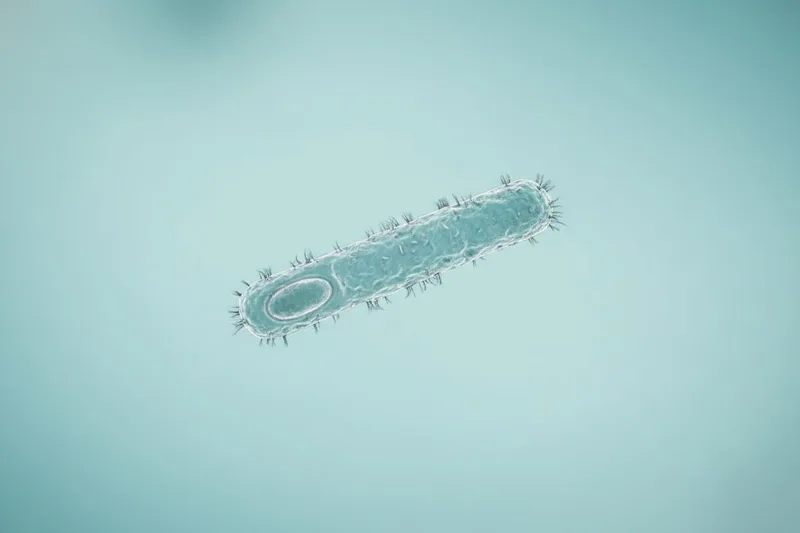
Have you ever heard of this rare but serious disease called botulism? This is a very dangerous disease. That's why it's important to be aware of it. Today, we'll talk about it in a simple way that you can understand.
What is this botulism?
Simply put, botulism is a serious illness caused by a bacterium called Clostridium botulinum. This bacterium produces a very dangerous poison, or toxin . This poison attacks our body's nervous system . If not treated properly, this condition can be fatal.
The important thing is that botulism is very rare. However, it can be fatal, so if you suspect that you or your young child has symptoms of botulism, you should go to the nearest emergency room immediately . Symptoms can include drooping eyelids and other symptoms that affect the muscles of the face, eyes, and throat. Eventually, it can also affect the muscles involved in breathing.
What happens if Clostridium botulinum enters the body?
Imagine that the toxin produced by this bacterium, Clostridium botulinum, attacks our nervous system. What happens is that our muscles, the muscles that move us, talk us, and swallow us , become weak and inactive (paralyzed) . If this toxin attacks the nerves that control our breathing, it can be life-threatening.
There are different types of botulism. The most common types are foodborne botulism, infant botulism, and wound botulism. In addition, there are rare types called iatrogenic botulism and adult intestinal toxemia botulism.
What are the main types of botulism?
Let's now look at these types of botulism in a little more detail.
Foodborne botulism
This happens when you eat food that has been contaminated with spores of the bacteria Clostridium botulinum. If food is not stored properly, these bacteria begin to grow. As the bacteria grow, they add toxins to the food.
Foodborne botulism is often caused by improperly prepared or stored home-made canned foods, such as pickles and moju . Although rare, store-bought canned foods can also cause botulism if they are not properly prepared. Other food sources include:
- Herbal oils.
- Baked potatoes wrapped in aluminum foil.
- Canned cheese sauces.
- Bottled garlic.
- Canned tomatoes.
- Carrot juice.
- Food that has been kept warm or food that has been left out for a long time without being refrigerated. Imagine what happens if you leave things like rice pudding and vegetables that you made in the morning out until night.
Infant botulism
Babies can get botulism if they ingest spores of the bacteria Clostridium botulinum. When these spores enter the baby's intestines, they grow and release a toxin. It's not always clear where these spores come from. However, they are commonly found in soil and dust. When these spores are in the air, they can be inhaled by the baby.
These spores can also be found in honey . Healthy children and adults do not develop botulism if they ingest these botulinum spores. However, for some reason, this toxin is produced in the bodies of babies under one year old . That is why experts say that honey should not be given to babies until they are at least one year old. This is something that many parents need to remember.
Wound botulism
Wound botulism can occur if spores of Clostridium botulinum enter a wound. When these spores enter the wound, they grow and release toxins into our bloodstream.
This type of botulism is most commonly seen among people who inject illegal drugs intravenously . Rarely, the condition can occur after surgery or a serious injury.
Iatrogenic botulism
This is a very rare condition. This condition can occur if you take too much of Botox®, an injectable form of botulinum toxin. Botox® is a purified and highly diluted toxin from the bacterium Clostridium botulinum. Some people use Botox® for cosmetic purposes, such as to reduce wrinkles. Or they use it for medical reasons, such as migraines.
Botox® is very unlikely to cause botulism. However, if you are getting a botulinum toxin injection, it should only be done by a licensed medical professional who knows how to administer it safely and in the correct dosage.
Adult intestinal toxemia botulism
This is also called adult intestinal colonization. This is also a very rare type of botulism. It can happen if Clostridium botulinum spores enter your intestines. The spores grow and produce a toxin, just like in babies. If you have a serious medical condition that affects your digestive system , you are more likely to get this type of botulism.
How common is this disease?
Botulism is a very rare disease . For example, in 2018, the US Centers for Disease Control and Prevention (CDC) reported only 242 confirmed cases of botulism. Of these, the majority were infant botulism. It is difficult to find statistics on this in Sri Lanka, but it is clear that it is rare on a global scale.
What are the symptoms of botulism?
Now let's look at the symptoms of this disease. It can affect babies and adults differently.
Symptoms in infants
Infant botulism symptoms can range from mild to severe. Symptoms can appear within three to 30 days after exposure to Clostridium botulinum spores. These are the main symptoms:
- Drooping eyelid `(ptosis)` .
- Decreased facial expression.
- Drooling.
- Weak cry .
- Decreased or slow milk or food intake.
- Decreased gag reflex.
- Constipation .
- Weakness or lethargy.
- Difficulty breathing.
If you are a mother with a small baby, you should be very careful about these symptoms. If your baby seems more lethargic than usual, doesn't want to breastfeed, or cries less loudly, see a doctor immediately.
Symptoms in adults and young children
Symptoms of botulism in older children and adults usually begin in the muscles of the face, eyes, and throat . If left untreated, symptoms can spread to other parts of the body. Symptoms can appear within hours to days after botulinum spores are ingested. These are the symptoms:
- Drooping eyelid `(ptosis)` .
- Double vision or blurred vision.
- Dry mouth (xerostomia)
- The story is confusing.
- Difficulty swallowing (dysphagia) .
- Difficulty breathing.
- Weakness or numbness in the limbs.
- Nausea and vomiting (common in foodborne botulism).
What causes botulism?
Botulism is caused by a bacterium called Clostridium botulinum. Sometimes, it can also be caused by bacteria called Clostridium butyricum or Clostridium baratii. You may not get sick if you come into contact with this bacterium or its spores. However, under certain conditions , these spores begin to grow.
These growing bacteria release toxins. When the toxins are released, they quickly enter the bloodstream and attach to our nerves. Botulism occurs when those nerves stop working. Conditions that help the spores grow and multiply are:
- An environment with little or no oxygen (e.g. inside canned food)
- Decreased acidity, sugar, or salt.
- Cooking temperature is too low. (Sometimes even boiling temperatures do not kill spores.)
- Having a certain amount of water.
- The storage temperature is too hot.
Where is Clostridium botulinum most common?
Spores of the bacterium Clostridium botulinum are common in soil, but they rarely cause illness. They can sometimes be found in canned vegetables, fish, or meat. Home-canned foods are more likely to be contaminated with this bacteria than store-bought foods. Babies under one year of age can get Clostridium botulinum toxin from honey.
How is botulism diagnosed?
To diagnose botulism, your doctor will do a physical exam . He or she will ask you about your symptoms and check for any weak or dysfunctional muscles.
The symptoms of botulism can be similar to those of other conditions, such as stroke, meningitis, and Guillain-Barré syndrome . Therefore, your doctor may need to do additional tests to confirm botulism.
What tests are done for this?
To confirm a diagnosis of botulism, your doctor can perform a test to see if your blood, stool, or vomit contains the toxin. Suspected food samples can also be tested for the toxin.
Other tests the doctor may use are:
- A brain scan.
- A spinal fluid exam.
- Nerve and muscle function tests (e.g. electromyography) .
It can take several days for the results of these tests to come back, so if botulism is suspected, the doctor may start treatment immediately .
How is botulism treated?
Depending on the cause of botulism and the severity of the condition, your doctor may use different treatments. The most common treatment is for your doctor to give you a medicine called an antitoxin . The antitoxin stops the toxin from working in your blood. This prevents the toxin from doing any more damage. However, the antitoxin cannot reverse damage that has already been done . You may need to stay in the hospital for weeks or months to recover.
If you have trouble breathing, your doctor may put you on a ventilator . This machine helps you breathe. You will need to stay on this machine until the dysfunction affecting your breathing resolves.
If you have wound botulism, you may need to have surgery to remove the infected part of the wound. After surgery, you will need to take antibiotics to prevent the infection from coming back.
Can botulism be completely cured?
There is no specific treatment to completely cure botulism, but mild nerve damage can be treated. Antitoxins can stop the toxin from causing further damage. This means that if treatment is given quickly, the condition can be prevented from getting worse.
What are the possible complications of botulism?
Botulism can cause paralysis of the muscles that help you swallow and breathe. Although antitoxin helps in most cases, some people can die from breathing problems and infection . In addition, botulism can cause health problems such as:
- Extreme fatigue .
- Persistent weakness.
- Difficulty breathing (dyspnea) .
- Aspiration pneumonia and infections caused by something getting stuck in the throat.
- Nervous system problems.
What can you expect after treatment?
Depending on the severity of your condition, recovery from botulism can take weeks, months, or even years . Most people who receive prompt treatment make a full recovery in less than two weeks .
How can you protect yourself from botulism?
This is the most important part. There are a few things you can do to protect yourself from the most common types of botulism.
Protection against food-borne botulism
- Refrigerate food within two hours of cooking. Refrigeration prevents bacterial spores from forming.
- Cook the food well.
- Do not use canned food that appears damaged or swollen (these may be signs of gas produced by bacteria).
- Sterilize home-canned foods by boiling them in a pressure cooker at 121 degrees Celsius (250 Fahrenheit) for 30 minutes .
- Get rid of seasoned food that smells bad .
Protection against infant botulism
- Do not give honey to babies under one year old. This is something you should definitely remember.
- If botulism develops , breastfeed your baby to prevent the disease from getting worse.
Protection against wound botulism
- Do not inject illegal drugs.
- If a wound becomes red, painful, swollen, or has signs of infection, such as pus, seek medical attention immediately.
- Thoroughly clean wounds contaminated with soil and dust.
Protection against healthcare-associated botulism
- If you are getting injections like Botox®, get them only from a licensed medical professional .
What happens if you get botulism? (Outlook)
Botulism is a disease that can be fatal if left untreated. However, with early diagnosis and treatment, many people can recover completely from the disease and continue to function normally for the rest of their lives.
Botulism is a serious illness that attacks your body's nervous system, causing weakness and muscle paralysis. Botulism poisoning is rare, but it can be fatal if left untreated. If you or your child has any of the symptoms of botulism, go to the nearest emergency room right away. With prompt medical attention, botulism can be treated.
Finally, things to remember
Okay, so now you know a lot about botulism. Here are some important things to remember:
- Botulism is a dangerous disease caused by a toxin produced by the bacterium Clostridium botulinum.
- It can be spread through food, wounds, and rarely through medical treatment .
- It is very important not to give honey to babies under one year old .
- This can be largely avoided by taking care of food safety (cooking well, storing properly).
- If you notice symptoms , seek medical advice immediately . Prompt treatment can be life-saving.
I hope this information is useful to you. Stay healthy!
` Botulism, Clostridium botulinum, food poisoning, child health, neurological diseases, toxins, food safety


💬 Comments (0)
No comments yet. Be the first to share your thoughts here.
Add Your Comment