
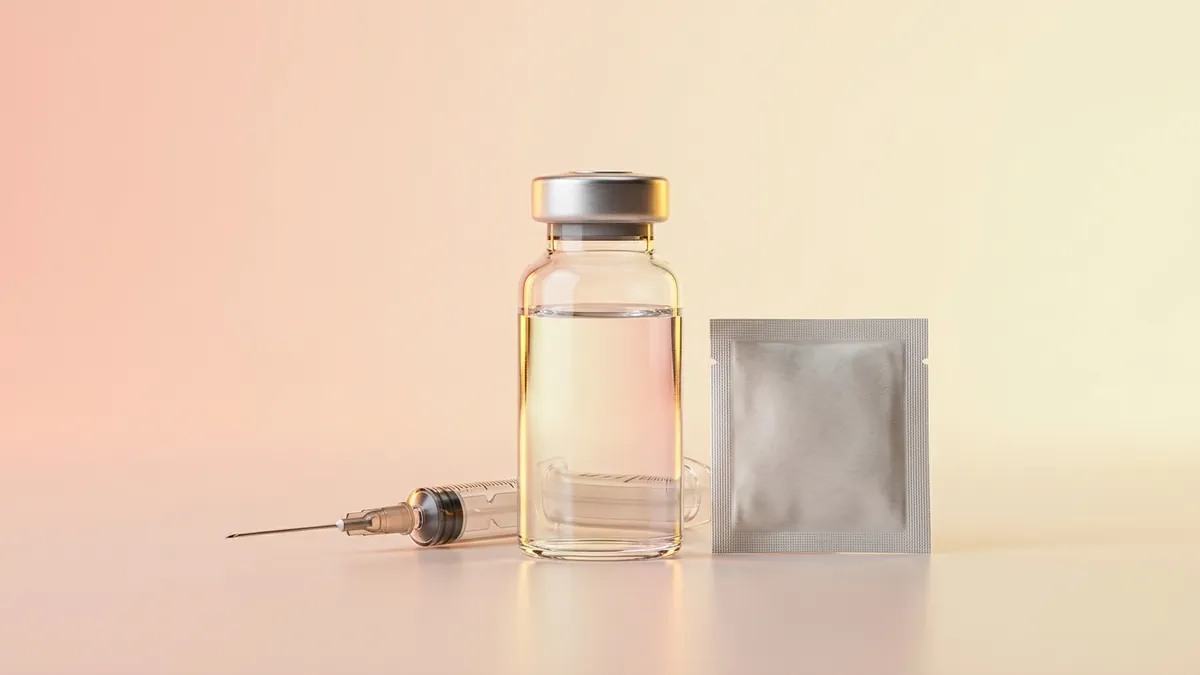
Talking openly about a sudden drop in sexual desire can feel awkward, even in a doctor's office. Many women quietly assume they simply have to live with a fading sex drive, or they worry that nothing medical can be done about it. Yet persistent low sexual desire is far more common than most people realize, and we doctors see patients navigating this exact concern every week at local family clinics across the United States, the United Kingdom, Canada, and Australia.
When a drop in libido starts causing real frustration, sadness, or strain in your daily life, medical options do exist. One targeted prescription treatment designed specifically for this condition is Bremelanotide injection (often prescribed under the brand name Vyleesi in North America). Understanding how this medication works, who it actually helps, and what safety precautions you need to follow makes all the difference before you consider using it.
📌 Key Takeaways at a Glance
- Targeted Purpose: Bremelanotide injection treats acquired, generalized low sexual desire (hypoactive sexual desire disorder) specifically in premenopausal women.
- Not for Everyone: It is not approved for men, women who have already gone through menopause, or anyone seeking general sexual performance enhancement.
- As-Needed Dosing: You inject a single prefilled dose under the skin of your abdomen or thigh at least 45 minutes before sexual activity — never more than once in 24 hours or 8 times a month.
- Heart & Blood Pressure Check: Because the medicine temporarily raises blood pressure, your doctor must confirm your cardiovascular health is stable before prescribing it.
- Safe Needle Disposal: Always place used autoinjector pens straight into an FDA- or locally approved sharps disposal container — never into household trash.
What Is Bremelanotide Injection and What Is It Used For?
Bremelanotide injection (brand name Vyleesi) is an as-needed prescription medication used to treat acquired, generalized hypoactive sexual desire disorder (HSDD) in premenopausal women. Unlike hormone pills, it activates melanocortin receptors in the brain to help restore low sexual desire that causes personal distress and is not linked to other medical or relationship issues.
To put that into everyday terms, think of how sexual desire actually starts. It does not begin in the body — it begins in the brain's chemical signaling pathways. Bremelanotide belongs to a class of medicines called melanocortin receptor agonists. Rather than acting like estrogen, testosterone, or blood-flow medications used for men, it gently stimulates specific receptors in the central nervous system that help balance the brain signals involved in sexual interest and arousal.
Pretty surprising, right? Most people assume any medication for intimacy works purely through hormones or circulation, so learning that this treatment targets brain pathways is an eye-opener. Because it works on a short-term basis rather than building up daily in your system, you only use the injection when you anticipate wanting sexual activity.
Who Is Bremelanotide Injection Suitable For — and Who Should Avoid It?
We doctors prescribe Bremelanotide injection carefully because it is only approved for a very specific group of patients. Before writing a prescription, your Primary Care Physician (PCP) or family GP will look closely at your symptoms and menstrual history to confirm that you meet every clinical criterion for acquired, generalized hypoactive sexual desire disorder (HSDD).
In general, this medication is considered only when all of the following apply to you:
- You are premenopausal: You have not yet gone through menopause and are still having menstrual cycles.
- Your low desire is "acquired": You previously had a satisfying level of sexual desire, and that desire noticeably dropped over time.
- Your low desire is "generalized": The lack of interest happens regardless of your partner, the setting, or the type of sexual activity.
- It causes genuine personal distress: You feel troubled, frustrated, or saddened by the loss of desire — not simply pressured by someone else.
- Other causes have been ruled out: Your symptoms are not driven by an untreated medical condition (such as thyroid disease or anemia), depression, chronic stress, relationship conflict, or side effects from another prescription drug.
Just as importantly, who should not use this medicine? Bremelanotide injection is not suitable for postmenopausal women, nor is it approved for men. It also cannot be used simply to boost sexual stamina or physical performance. If you have uncontrolled high blood pressure (hypertension) or known cardiovascular disease, we doctors advise avoiding this medication altogether.
What Should You Tell Your Doctor Before Starting Bremelanotide?
Have you ever wondered why your doctor asks so many detailed questions before prescribing a new injection? With Bremelanotide, your complete health picture directly determines whether the medication is safe for your heart, blood vessels, and overall wellbeing.
Before you take your first dose, make sure you share every detail of the following with your family doctor or specialist:
- Heart and blood vessel conditions: Tell your doctor if you have coronary artery disease, arrhythmias, a history of stroke, or any other form of heart disease.
- High blood pressure: Let your clinic know if you have ever been diagnosed with elevated blood pressure, even if you think it is mild or borderline.
- Allergies and sensitivities: Mention any past allergic reactions to bremelanotide, other injectable medicines, foods, latex, or pharmaceutical dyes.
- Pregnancy or family planning: Inform your doctor immediately if you are pregnant, suspect you might be pregnant, or are actively trying to conceive.
- Breastfeeding: Tell your clinician if you are nursing a baby, as it is not yet fully known whether the drug passes into human breast milk.
- All current medications and supplements: Bring a complete list of every prescription tablet, over-the-counter pain reliever, vitamin, or herbal remedy you take regularly.
Remember how we talked about ruling out other causes of low libido earlier? Sharing your full medication list also helps us check whether a current antidepressant, blood pressure pill, or hormonal contraceptive might be contributing to your low desire in the first place.
How Exactly Do You Use Bremelanotide Injection Safely?
Giving yourself an injection at home can sound intimidating at first, especially if you have never used a pen device before. Fortunately, Bremelanotide comes in a single-dose, prefilled subcutaneous autoinjector — meaning you inject it just under the skin rather than deep into a muscle, and the needle stays hidden inside the pen before and after use.
You will never be left to figure this out alone. Before you use it at home, your doctor, nurse, or local pharmacist will walk you through how to inspect the clear liquid inside the pen, clean the skin with an alcohol swab, and press the autoinjector firmly against your abdomen or front thigh.
To use Bremelanotide injection safely and effectively, follow these strict dosing rules:
- Time your dose properly: Inject one dose under the skin of your abdomen or thigh at least 45 minutes before you anticipate sexual activity. Everyone's body responds slightly differently, so over time you and your doctor can discuss the timing that works best for you.
- Respect the 24-hour limit: Never administer more than 1 dose within a 24-hour period, even if you do not feel an immediate effect.
- Stay within the monthly cap: Do not use more than 8 doses per month. Using it more frequently raises your risk of persistent blood pressure spikes and skin discoloration.
- Dispose of the pen safely: Immediately after injecting, place the used autoinjector into an approved hard-plastic sharps disposal container. Never throw loose needles or used pens into your household garbage or recycling bin. If you do not have a sharps container, ask your pharmacy or family GP clinic how to get one locally.
Makes sense, right? Treating it strictly as an occasional, as-needed therapy protects your cardiovascular system while keeping your routine straightforward.
What Should You Do If You Take Too Much Bremelanotide?
Think about it for a second: because Bremelanotide can temporarily tighten blood vessels and raise blood pressure, accidentally injecting two doses within 24 hours puts extra strain on your heart and circulation. An overdose can trigger severe nausea, vomiting, dizziness, facial flushing, or a dangerous surge in blood pressure.
If you realize you have injected more than the prescribed amount — or if someone else accidentally uses your autoinjector — do not wait to see if symptoms appear. Take immediate action based on where you live:
- United States & Canada: Call 911 if symptoms feel severe, or contact Poison Control immediately at 1-800-222-1222 (US) or your provincial Poison Centre / 1-844-764-7669 (Canada), or go to the nearest hospital Emergency Room (ER).
- United Kingdom: Call 999 for urgent medical emergencies or 111 for immediate NHS clinical guidance, or head straight to your nearest hospital Accident & Emergency (A&E) department.
- Australia: Call 000 for an ambulance or contact the Poisons Information Centre at 13 11 26, or visit the nearest hospital Emergency Department.
Bring the medication carton or used autoinjector pen with you so hospital doctors know the exact dose and timing.
What Important Precautions Should You Keep in Mind During Treatment?
Beyond following the injection instructions, a few practical everyday habits will keep your treatment running smoothly. Look at what happens here when Bremelanotide interacts with your stomach, other medications, or family planning:
- Watch out for oral medication interactions: Bremelanotide temporarily slows down how fast your stomach empties. Because of this, it can delay or reduce how well your body absorbs certain swallowed tablets — especially oral pain relievers or medications taken by mouth for alcohol or opioid dependence, such as naltrexone. In fact, we doctors advise avoiding Bremelanotide altogether if you take oral naltrexone, because it can block naltrexone from working properly.
- Use reliable birth control: Animal studies suggest that Bremelanotide may harm an unborn baby if used during pregnancy. If you could become pregnant, use effective contraception while taking this medication. If you miss a period or decide you want to start trying for a baby, stop using the injection and talk with your doctor right away.
- Give it a fair 8-week trial, then review: Do not get discouraged if the very first dose feels subtle, or if mild stomach upset distracts you initially. Keep a simple mental note of how you feel after each use, and schedule a follow-up visit at your PCP or family GP clinic. If your sexual desire and distress have not improved after 8 weeks of appropriate use, we doctors generally recommend discontinuing the medication and exploring other options.
What Are the Possible Side Effects of Bremelanotide Injection?
Like every prescription medicine, Bremelanotide can cause unwanted side effects in some women. Most reactions are mild to moderate and fade within a few hours, though a few require prompt medical attention.
The most common side effect we see in clinical practice is nausea — affecting roughly 4 in 10 women, particularly after the first injection. Taking the dose after a light, bland snack (like dry crackers or toast) and sipping cool water rather than heavy, greasy meals or alcohol often helps settle your stomach. Other everyday side effects include temporary facial flushing (warmth and redness), headache, vomiting, and mild redness, itching, or bruising where the needle entered the skin.
However, two less common reactions deserve extra awareness: a temporary rise in blood pressure paired with a slower heart rate for up to 12 hours after dosing, and focal hyperpigmentation (patches of darker skin on your face, gums, or breasts), which happens more often in women with darker skin tones and may not always fade completely after stopping the drug.
| Side Effect or Symptom | What Is Happening & What You Should Do |
|---|---|
| Mild Nausea or Stomach Upset | Very common after the first few doses as the medicine stimulates brain receptors linked to digestion. What you should do: Sip water, rest quietly, and stick to light foods. If nausea stays severe with every dose, ask your family doctor about anti-nausea options or whether to continue treatment. |
| Facial Flushing or Headache | Brief widening of surface blood vessels can cause warmth across your face and chest or a mild throbbing headache. What you should do: Cool down in a comfortable room and stay hydrated. Contact your PCP or GP clinic if headaches become severe or refuse to ease. |
| Injection Site Redness or Bruising | Minor irritation under the skin of the abdomen or thigh where the autoinjector needle entered. What you should do: Rotate your injection spot each time and avoid bruised or scarred skin. Seek medical review if redness spreads, feels hot, or oozes pus. |
| Darkening of Skin, Gums, or Breasts | Melanocortin stimulation can trigger localized patches of darker pigment (focal hyperpigmentation), which can sometimes be permanent. What you should do: Check your skin and gums periodically and report any new dark spots to your doctor promptly so you can decide together whether to stop the medicine. |
| High Blood Pressure Spike or Slow Pulse | Bremelanotide can temporarily raise systolic and diastolic blood pressure and lower heart rate for up to 12 hours. What you should do: Do not take another dose within 24 hours. If you feel dizzy, chest-tight, or short of breath, seek urgent medical care immediately. |
How Should You Store Bremelanotide Autoinjectors Safely?
Proper storage keeps the liquid medication stable, sterile, and safe for your household. Just like we noted a moment ago with needle disposal, treating your autoinjector pens carefully protects both you and everyone else at home.
- Keep away from children and pets: Store all unused pens and your sharps disposal container on a high shelf or inside a locked cabinet out of sight and reach.
- Maintain cool room temperature: Keep unopened autoinjectors at or below 25°C (77°F). Avoid leaving them in a steamy bathroom cabinet, near a kitchen stove, or inside a warm car glovebox.
- Never freeze: Do not place Bremelanotide in the freezer. If an autoinjector accidentally freezes, throw it safely into your sharps container and use a fresh pen.
- Protect from direct light: Leave each pen inside its original cardboard carton until the moment you are ready to inject.
- Check expiration dates: Never inject expired medicine, or any liquid that looks cloudy, discolored, or contains floating particles.
✔️ What You Should Do & ❌ What to Avoid
- ✔️ Do have your blood pressure checked by your family doctor before starting treatment and periodically during follow-up visits.
- ✔️ Do inject at least 45 minutes before sexual activity into clean skin on your abdomen or front thigh, rotating sites each time.
- ✔️ Do drop every used autoinjector pen straight into an approved puncture-resistant sharps container immediately after use.
- ❌ Do not use more than 1 injection in 24 hours or exceed 8 injections in a single month.
- ❌ Do not use Bremelanotide if you have uncontrolled high blood pressure, heart disease, or if you are pregnant or trying to conceive.
- ❌ Do not combine this medication with oral naltrexone, and never throw loose used autoinjectors into regular household trash.
🚨 When to Seek Immediate Emergency Care (Red-Flag Symptoms)
If you or someone near you develops any of these red-flag symptoms, do not wait — call 911 (or 999 in the UK / 000 in Australia) immediately or go straight to the nearest hospital Emergency Room (ER / A&E):
- Signs of a severe allergic reaction: Swelling of your face, lips, tongue, or throat, hives, severe itching, or sudden trouble breathing or swallowing.
- Dangerous blood pressure surge: Sudden, severe headache, blurred vision, confusion, or a home blood pressure reading spiking dangerously high after an injection.
- Chest pain or heart symptoms: Chest pressure, tightness, shortness of breath, fainting, or an unusually slow or pounding heartbeat.
- Accidental overdose: Injecting more than one dose within 24 hours followed by severe vomiting, extreme dizziness, or feeling faint.
💡 Key Take-Home Message
- Specific Medical Role: Bremelanotide injection is an as-needed prescription treatment for premenopausal women experiencing distressing, acquired, generalized hypoactive sexual desire disorder (HSDD).
- Strict Eligibility: It is not a performance enhancer and is not safe or approved for men, postmenopausal women, pregnant women, or people with uncontrolled high blood pressure or heart disease.
- Safe Dosing & Disposal: Inject once under the skin of the abdomen or thigh at least 45 minutes before intimacy (maximum once every 24 hours and 8 times monthly), and dispose of used pens in a sharps container.
- Ongoing Doctor Partnership: Monitor for nausea, blood pressure changes, or skin darkening, and follow up with your family doctor after 8 weeks to evaluate whether the treatment is truly helping you.



No comments yet. Be the first to share your question or experience below.