
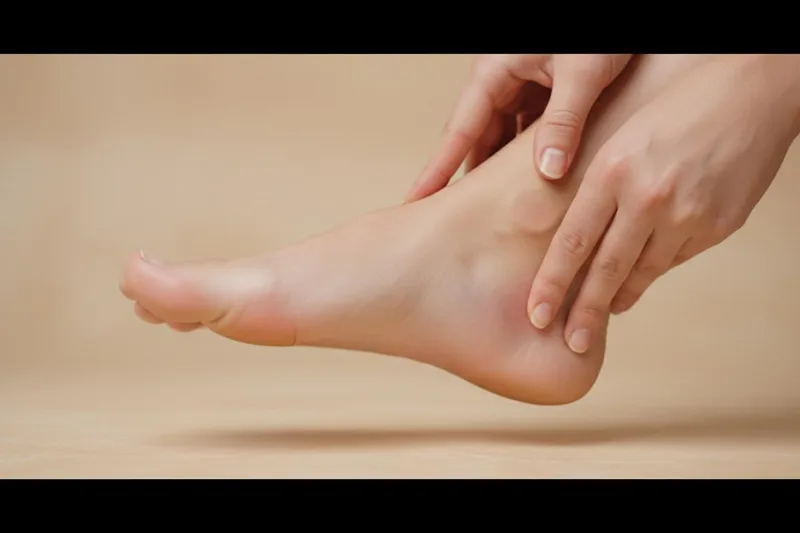
Are you familiar with the pain that comes from the big toe, the skin in that area becoming red and swollen when you put on shoes? Sometimes, your big toe may hurt even when you walk. This may be because a bone has protruded from the joint of your big toe. Medically, we call this condition a 'bunion'. This is a fairly common condition. But it can make it very painful to do everyday activities, especially walking.
Simply put, what is bunion surgery?
Bunion surgery, or as doctors call it, 'bunionectomy,' is the surgical removal of the bunion, that is, the protruding bone, that has formed on your foot.
Imagine, when the base of your big toe, the metatarsophalangeal (MTP) joint, is constantly pushed to one side, the bone at that joint gradually bulges out. That's what a bunion is.
Symptoms can usually be managed with other treatments (such as wearing comfortable shoes and taking painkillers). However, surgery is the only way to permanently remove the bunion and restore the toe to its correct position. If the pain is so severe that you can't walk and other treatments don't help, your doctor may recommend surgery.
How do you prepare before surgery?
Your surgeon will prepare you carefully before this surgery. This may include:
- A complete physical examination: See if your body is ready for surgery.
- Blood tests: Measure various things in the blood.
- ECG test (Electrocardiogram): Check the heart's function.
- X-ray of the leg: To check the condition of the bones. Sometimes an MRI or CT scan may also be ordered.
You should definitely tell your doctor about any prescription medications or supplements you are taking, as some medications may need to be stopped before surgery.
The doctor will also tell you how many hours you need to fast (without eating or drinking) before the surgery. Usually, you have to stop eating or drinking 8 hours before the surgery. Only the essential medications that the doctor has told you to take can be taken in the morning with a sip of water.
What happens during the surgery?
On the day of the surgery, you will be given anesthesia to make you feel no pain. In most cases, this surgery does not require general anesthesia. The anesthesiologist will often numb the lower back or just the leg that is being operated on.
What happens to you will vary depending on the type of surgery you have. There are four main types of bunion surgery. Let's look at them in this table.
| Type of Surgery | Simply put, this is what happens... |
|---|---|
| Osteotomy | This is the most common procedure. The doctor makes a few small incisions in the bones of your foot and toe and uses screws or pins to bring the big toe joint back into the correct position. Now, this is often done through very small incisions (minimally invasive), which means faster healing and less scarring. |
| Arthrodesis (Joint Fusion) | This procedure is used if your bunion is caused by arthritis in your foot, or if the bunion is very severe. This involves removing the arthritic part of the joint and attaching the two bones together with screws. Over time, these two bones fuse together and become one bone. |
| Lapidus Procedure | This is also done for severe bunions. The bunion is removed and the joint between the long bone in the middle of your foot (the first metatarsal bone) and the small bone near your ankle (the medial cuneiform) is realigned. This procedure is suitable for people with hypermobility in the foot and for younger people. |
| Exostectomy | This is a less common procedure. It involves surgically removing the protruding bone (shave off). This is usually only done for very minor bunions. Many people require more complex surgery. |
This surgery usually takes an hour or less, but this time may vary depending on your condition.
What happens after the surgery?
After surgery, you will be taken to a recovery room. There, the medical team will take good care of you for a few hours. They will monitor your vital signs and pain levels after the anesthesia wears off.
Most of the time, this is an outpatient procedure, meaning you can go home the same day. But remember, you won't be able to drive after the surgery. So it's important to arrange for someone to take you home in advance.
What are the benefits and risks of this surgery?
Benefits
Many people who have this surgery experience significant pain relief after recovery. Also, putting on shoes becomes easier as the big toe is back in its proper position. When the toe is in the correct position, your ability to walk, run, and jump also improves.
Risks
Although this is a safe surgery, as with any surgery, there are some minor risks. These are very rare:
- Blood clots.
- Infections at the surgical site or inside the leg.
- Nerve damage or numbness.
- Scarring.
- Long-term swelling of the leg due to damage to the blood vessels.
- Bunion recurrence.
- Nonunion of the bones during arthrodesis.
Talk to your doctor about this and understand it well.
How long does it take to recover?
It takes several months to fully recover after bunion surgery.
- Stitches break: Usually in about two weeks.
- Bone healing: This will take about 6 to 12 weeks. During this time, you will need to wear a special protective shoe or boot.
- Resume normal activities: After 6-12 weeks, you can begin using your leg normally. Physical therapy may be needed to regain strength and movement in your leg.
- Complete recovery: You can resume normal physical activities in about 3 months. However, swelling in the leg may persist for 6 to 9 months.
Most importantly: You will be given a date to see your doctor after surgery. It is essential to the healing process to make sure you go and check your leg every day.
How to care for the dressing after surgery?
The medical team will wrap your finger in a specific bandage to keep it in place. Ask your doctor if you can change the dressing yourself. In most cases, you will need to keep the dressing in place until the stitches come off. Also ask about ways to keep it from getting wet when you shower (for example, by covering it with a plastic bag).
Can I walk after the surgery?
This depends on the type of surgery you had. After some surgeries, you may be able to walk with a protective shoe and some weight bearing. However, after some surgeries , it is not recommended to put any weight on your leg for a few weeks. In such cases, you may need to use crutches or a knee scooter.
It is important to follow your doctor's instructions exactly. If you put weight on your leg before the bone has healed, the surgery may fail completely.
What time should I call the doctor?
If you experience any of the following, call your surgeon immediately.
- If the dressing becomes loose, comes off, or gets wet.
- If the fever is higher than 39 degrees Celsius (101 degrees Fahrenheit).
- If there is bleeding from the surgical site.
- If you see signs of infection (e.g., pus, odor, discoloration, swelling, warmth).
- If the pain is new or getting worse.
A bunion is a small bone spur, but it can have a big impact on your life and your ability to walk. If you've tried all the treatments and it doesn't seem to be getting any better, it may be time to consider surgery. Your doctor will help you make the best decision for you, your foot, and your overall health.
Take-Home Message
- Bunion is a painful condition that occurs in the joint of the big toe.
- When other treatments fail, bunionectomy surgery can provide a permanent solution and pain relief.
- There are several types of surgery, and your doctor will determine which type is best for you.
- Healing takes several months, and during this time, patience and following the doctor's instructions exactly will help you achieve the best results.
- Notify your doctor immediately of any unusual symptoms that occur after surgery.




💬 Comments (0)
No comments yet. Be the first to share your thoughts here.
Add Your Comment