

Dealing with severe tension headaches can make every day feel like an uphill battle, right? When pain wraps tightly around both sides of your head like a vice, standard over-the-counter painkillers might not be enough to give you peace. That is why your primary care physician (PCP) or family doctor may prescribe a specialized triple-combination medicine containing butalbital, acetaminophen, and caffeine to help you find relief.
Have you ever wondered why doctors prescribe a combination of three different ingredients for a single headache? Let's break this down together. This medicine brings together a barbiturate muscle relaxant, a trusted pain reliever, and a stimulant designed to ease pain and relax tense muscles. However, using this prescription requires careful attention to safety guidelines, daily limits, and potential side effects. Understanding how it works will help you protect your health while managing your symptoms effectively.
Just think about it for a second—managing any prescription medicine safely means knowing both its benefits and its limits. So, let's walk through a complete, easy-to-read guide on how to take this medicine safely, what risks to watch out for, and when you should contact your local clinic or emergency services.
📌 Key Takeaways
- Acute Relief Only: This medicine is designed to treat acute tension headaches after they start. It does not prevent headaches or migraines before they begin.
- Triple Action Formula: It combines butalbital (a barbiturate muscle relaxant), acetaminophen (a pain reliever and fever reducer), and caffeine (to enhance pain relief).
- Strict Liver Safety: Because it contains acetaminophen, you must never combine it with paracetamol, Tylenol, or other acetaminophen products to prevent severe liver damage.
- No Alcohol: Avoid all alcohol while taking this prescription to prevent dangerous breathing depression and extreme drowsiness.
- Medical Guidance: Always follow your doctor's exact dosage instructions and never stop taking it abruptly without professional medical advice.
Know your body mass index (BMI) and weight classification
Before You Start Taking This Medicine
Before you take your first dose, you must share your complete medical history with your doctor. Certain health conditions make this medicine unsafe or require close medical monitoring. What do you think your doctor looks for first? They need to know about any underlying heart, liver, or lung conditions to keep you safe.
Be sure to tell your healthcare team right away if you have any of the following health concerns:
- Heart disease, high blood pressure (hypertension), or other blood circulation problems.
- A history of heavy alcohol use, alcohol dependency, or substance use disorder.
- Kidney disease, kidney stones, or trouble urinating.
- Liver disease, hepatitis, or a history of liver failure.
- Lung conditions, severe asthma, chronic bronchitis, or other breathing difficulties.
- A rare genetic blood disorder called porphyria.
- A history of drug addiction or dependence on prescription sedatives or barbiturates.
- Any known allergies to acetaminophen, butalbital, caffeine, or other prescription drugs, dyes, or preservatives.
- Pregnancy, plans to become pregnant, or if you are breastfeeding a baby.
Sharing these details helps us decide if this medicine is the right fit for your daily routine. If needed, we can adjust your treatment plan to protect your overall well-being. Pretty important for your safety, right?
How to Use This Medicine Correctly
Taking your prescription correctly ensures you get the maximum benefit while minimizing risks. Remember what we said a moment ago about following instructions carefully? Let's look at the everyday steps for taking your pills:
- Take this medicine by mouth with a full glass of water exactly as prescribed by your family doctor or NHS GP.
- Take only the exact dose your doctor ordered. Never take more medicine or take it more often than instructed, even if your headache feels stubborn.
- If the medicine upsets your stomach, try taking it with a meal, a light snack, or a glass of milk.
- If a child or teenager has been prescribed this medicine, follow pediatric dosing instructions with extreme care under strict doctor supervision.
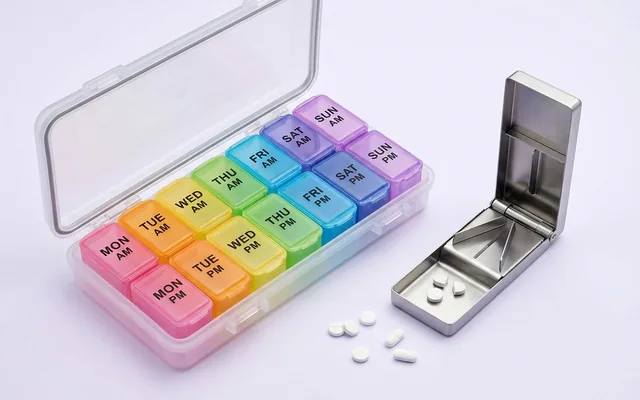
Airtight double-lock weekly medication organizer with removable day pods and a surgical stainless-steel tablet cutter for accurate half-tablet splitting and adherence.
View Clinical Details →What to Do If You Take Too Much (Overdose)
If you suspect you or someone else took more than the prescribed dose, you need to act right away. Even if you feel completely fine at first, an overdose of acetaminophen or butalbital can cause severe, delayed internal damage that might not show up for hours.
Call emergency services right away or go to the nearest hospital emergency department (ER / A&E). In the US or Canada, call 911. In the UK, call 999. In Australia, call 000. You can also contact your local poison control center right away for urgent medical advice.
This prescription was specifically written for your unique health profile. Never share your medicine with friends, family members, or coworkers, even if they describe similar headache symptoms. Makes sense, right?
What to Do If You Miss a Dose
If you forget to take your scheduled dose, take it as soon as you remember. However, if it is almost time for your next regular dose, skip the missed dose entirely and stay on your normal schedule.
Never take two doses at the same time to make up for a forgotten pill. Taking a double dose can lead to dangerous levels of medicine in your bloodstream, increasing your risk of severe drowsiness and breathing issues.
Interactions With Other Substances
Many everyday substances can interact with your headache medicine, changing how it works or increasing the risk of serious side effects. Always give your doctor and pharmacist a complete list of all prescription drugs, over-the-counter medicines, vitamins, and herbal supplements you take.
Pay special attention to the following substances that interact with this medicine:
- Alcohol, beer, wine, or any elixirs or cough medicines containing alcohol.
- Antidepressants, especially monoamine oxidase inhibitors (MAOIs).
- Allergy medicines and antihistamines that cause drowsiness.
- Anxiety medicines and sedatives, such as benzodiazepines.
- Other pain relievers, narcotic painkillers, or prescription opioids.
- Muscle relaxants used for back or neck spasms.
- Seizure medicines and anti-epileptic drugs.
This list is not exhaustive. Always consult your doctor before mixing any new product or supplement with your prescription.
Important Safety Precautions
While using this treatment, keep several vital safety rules in mind to protect your health:
- If your headaches do not improve, happen more often, or feel different and severe, contact your doctor right away.
- Over time, your body may develop a physical tolerance to this medicine. This means you might need higher doses to get the same pain relief, which is common with long-term use.
- Never stop taking this medicine suddenly without talking to your doctor. Stopping abruptly can trigger severe withdrawal symptoms. Your doctor will help you slowly reduce your dose over time. Note that physical tolerance is not the same as psychological addiction.
- This medicine can cause significant dizziness, lightheadedness, and drowsiness. Avoid driving, operating heavy machinery, or doing dangerous tasks until you know how the medicine affects you.
- Critical Liver Warning: This medicine contains acetaminophen. Do not take any other products containing acetaminophen (such as Tylenol, Panadol, or cold and flu remedies) while using this prescription. Exceeding the safe daily limit of acetaminophen can cause sudden, catastrophic liver failure, even without early warning symptoms. Always check product labels carefully.
Side Effects to Watch For
Like all medicines, this combination treatment can cause side effects. Some effects are mild and go away on their own as your body adjusts, while others require prompt medical evaluation by your family doctor.
| Symptom / Effect Type | What It Feels Like / What You Should Do |
|---|---|
| Mild Drowsiness | What It Feels Like: Feeling sleepy or relaxed after taking a dose What You Should Do: Rest quietly; avoid driving or operating machinery until alert. |
| Mild Dizziness | What It Feels Like: Lightheadedness when standing up quickly What You Should Do: Stand up slowly; stay well-hydrated with water or herbal tea. |
| Stomach Upset | What It Feels Like: Mild nausea or digestive discomfort What You Should Do: Take your dose with a snack, meal, or a glass of milk. |
| Severe Allergic Reaction | What It Feels Like: Rash, hives, swelling of the face, lips, or throat What You Should Do: Seek emergency medical care immediately (Call 911, 999, or 000). |
✔️ Do's and ❌ Don'ts
- DO take your medicine exactly as prescribed with a full glass of water.
- DO keep a headache diary to track frequency and headache triggers.
- DO store your medication securely away from children and pets.
- DON'T mix this medicine with alcohol, beer, wine, or sleep aids.
- DON'T take extra doses or combine it with other acetaminophen products.
- DON'T stop taking this prescription abruptly without talking to your doctor first.
🚨 When to Seek Emergency Care (Red Flags)
If you notice any of these warning signs, don't wait — call your local emergency number right away (911 in the US/Canada, 999 in the UK, 112 in Europe, or 000 in Australia) or go to the nearest hospital Emergency Department (ER / A&E):
- Severe breathing difficulties, shortness of breath, or very slow breathing.
- Bluish discoloration of your lips, fingers, or skin.
- Sudden swelling of your face, tongue, lips, or throat.
- Signs of severe liver injury, such as yellowing of your skin or eyes (jaundice) or dark urine.
- Extreme confusion, extreme drowsiness, or unresponsiveness indicating a serious drug overdose.
How to Store Your Medicine Safely
Proper storage protects your family and keeps your medicine effective. Just think about how important child safety is in a busy household. Keep these storage tips in mind:
- Keep this medicine completely out of the sight and reach of children and pets. Accidental ingestion of barbiturates can be fatal.
- Store your pills in a secure, locked cabinet to prevent accidental exposure, theft, or misuse.
- Store at room temperature between 15°C and 30°C (59°F to 86°F), away from excessive heat, bathroom moisture, and direct sunlight.
- Safely dispose of expired or unwanted medicines. Never throw pills in household trash where children or pets can find them. Mix them with unappealing substances like used coffee grounds or cat litter, seal them in a bag, and discard according to local community drug take-back guidelines.
💡 Take-Home Message
- Use this triple-combination prescription strictly for acute tension headaches as directed by your physician.
- Prioritize liver safety by avoiding all duplicate acetaminophen products and alcohol.
- Maintain open communication with your primary care team to monitor your progress and plan safe tapers when needed.


No comments yet. Be the first to share your question or experience below.