
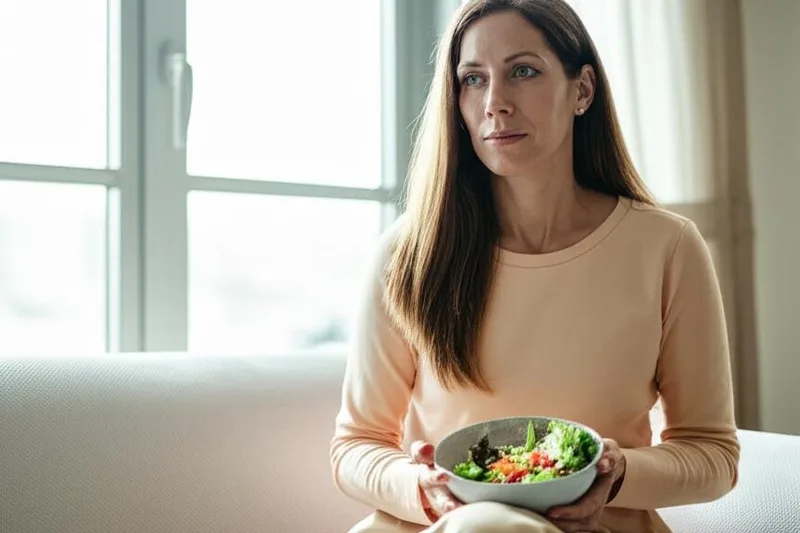
It's normal to feel overwhelmed and shocked when you find out you have cancer. You may have a thousand questions running through your mind, like "What happens now?" and "Is my life over?" But this is just the beginning of a battle, not the end. You are not alone in this battle. There are many things you can do to take care of your body and mind while you are undergoing treatment and make the most of this time. So, let's talk about that.
Let's eat wisely.
The best way to fuel your body during this time is to eat a well-balanced diet . This will give you strength and the energy you need to endure your treatments. Try to add more of these things to your diet.
| Things to eat more of | Things to reduce or stop |
|---|---|
| Fresh fruits and vegetables (in a rainbow of colors) | Processed foods - things like sausages, meatballs |
| Whole grains - red rice, oats, millet | Red meat - beef, pork, goat meat |
| Low-fat dairy - skim milk, yogurt | Sweet desserts - cakes, puddings, biscuits |
| Low-fat meat and fish - chicken (skin removed), small fish | High-fat dairy foods – cheese, butter |
During your treatment, your body may need extra protein and calories. However, side effects like nausea, difficulty swallowing, and constipation can make you feel less hungry. Don't go without food during this time. Talk to your doctor or a nutritionist about how to create a healthy, easy-to-eat, and nutritious diet that works for you.
Let's be a little more active every day.
Some days you may feel like you're completely helpless, but getting some exercise whenever possible is important for your physical and mental health.
Exercise strengthens your muscles, improves your balance, and helps reduce fatigue, stress, and depression. Some studies suggest that it may even extend your life.
Try to do at least 30 minutes of aerobic activity a day. Even something as simple as brisk walking, swimming, or gardening is fine. It's even better if you can do strength training a couple of days a week.
But remember, before starting any exercise program, you should definitely talk to your doctor. He or she will tell you what exercises are best for your condition. Then, choose an activity that you enjoy and that you enjoy.
Let's maintain a healthy weight.
Cancer and its treatments can cause your weight to change. You may lose weight during treatment due to loss of appetite and side effects. Also, some treatments, especially those for hormone-related cancers such as breast cancer and prostate cancer, can cause weight gain.
Ask your doctor what a healthy weight is for your height. Try to get to that weight by combining a good diet, exercise, and healthy habits (such as reducing the amount of time you spend sitting and watching TV).
Stay connected with family and friends.
During difficult times like these, it's so valuable to have a support system that you can trust and rely on.
If someone offers to help you, whether it's to go to the store and get you something, help with a housework, accompany you to the doctor's appointment, or prepare a meal, don't be shy about accepting it. Also, it's a good idea to take someone with you to the doctor's appointment. That way, you'll remember everything the doctor says.
It's also important to have someone to talk to about your feelings and emotions. In addition to family and friends, if you can, join a cancer support group. Talking to people who have been through the same things as you can can help you feel less alone and give you a sense of community. Your doctor can help you find a group that's right for you, whether online or in person.
Let's stay away from smoking and alcohol completely.
Quitting smoking
If you smoke, now is the best time to quit. Quitting smoking and staying away from secondhand smoke will not only make you healthier, but it will also protect you from the risk of developing other types of cancer.
Don't give up because you've tried to quit and failed. It may take several tries before you can quit for good. Many people find it difficult to do this on their own. So ask your doctor for help. He or she can tell you about medications or other strategies that can help you quit smoking.
Alcohol restriction
Drinking alcohol can increase the risk of some types of cancer. It can also interact with some medications during treatment and increase side effects, such as mouth sores. Using alcohol as a solution to the stress of cancer is also not healthy.
If you drink alcohol, limit yourself to one drink per day for women and two drinks per day for men. If you don't drink alcohol, don't start.
Don't miss out on seeing the doctor.
Stay in touch with your medical team. Never miss appointments or check-ups. After treatment, be sure to know what symptoms to watch for and what screening tests to do. Don't hesitate to ask your doctor about any questions you have, your feelings, or what to expect in the future.
Take-Home Message
- A balanced, nutritious diet is essential to energize the body during the fight against cancer.
- Getting a little exercise every day will make you stronger physically and mentally.
- Talk to your doctor and try to maintain a healthy weight.
- You are not alone on this journey. Ask for help from family and friends. Join a support group.
- Quit smoking completely. Limit alcohol consumption.
- Never miss medical advice and scheduled tests. Maintain regular contact with your doctor.




💬 Comments (0)
No comments yet. Be the first to share your thoughts here.
Add Your Comment